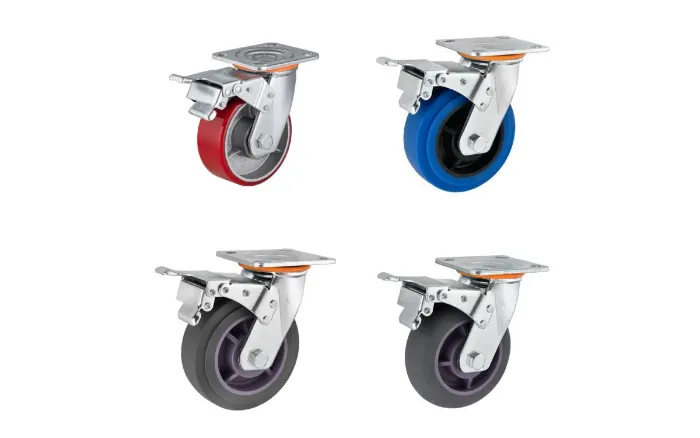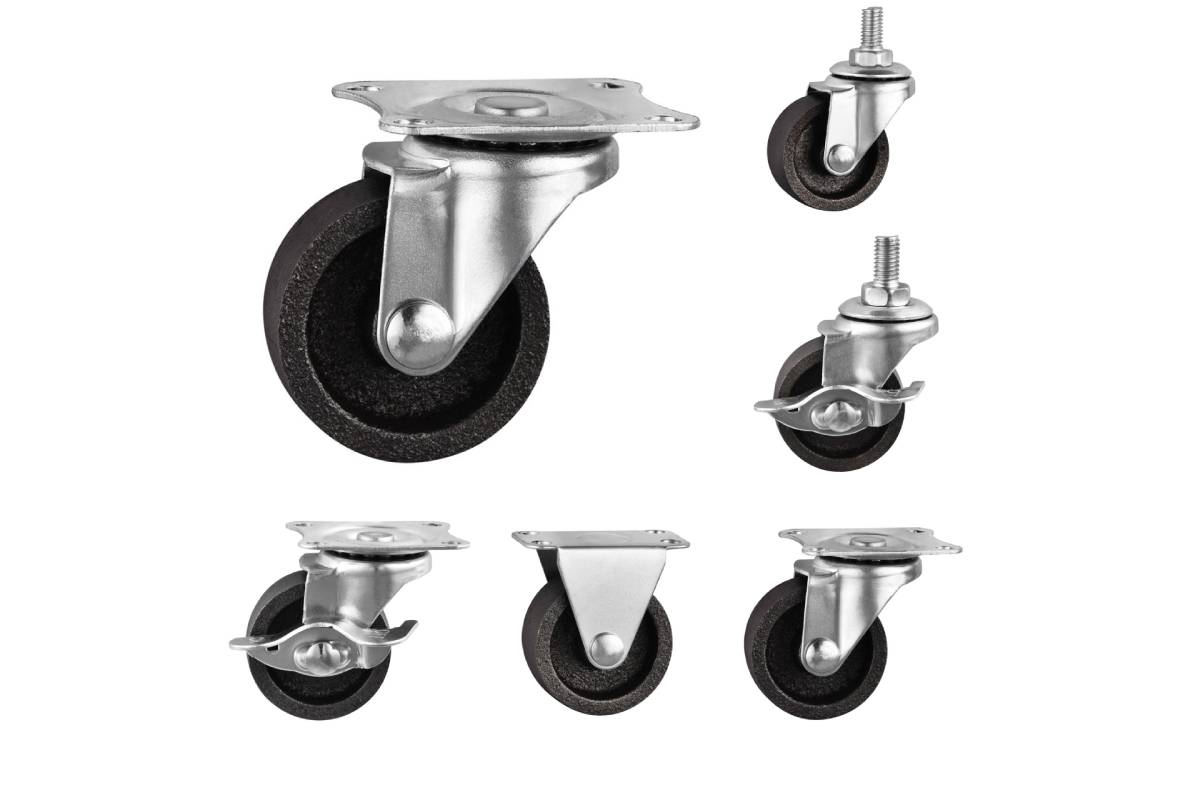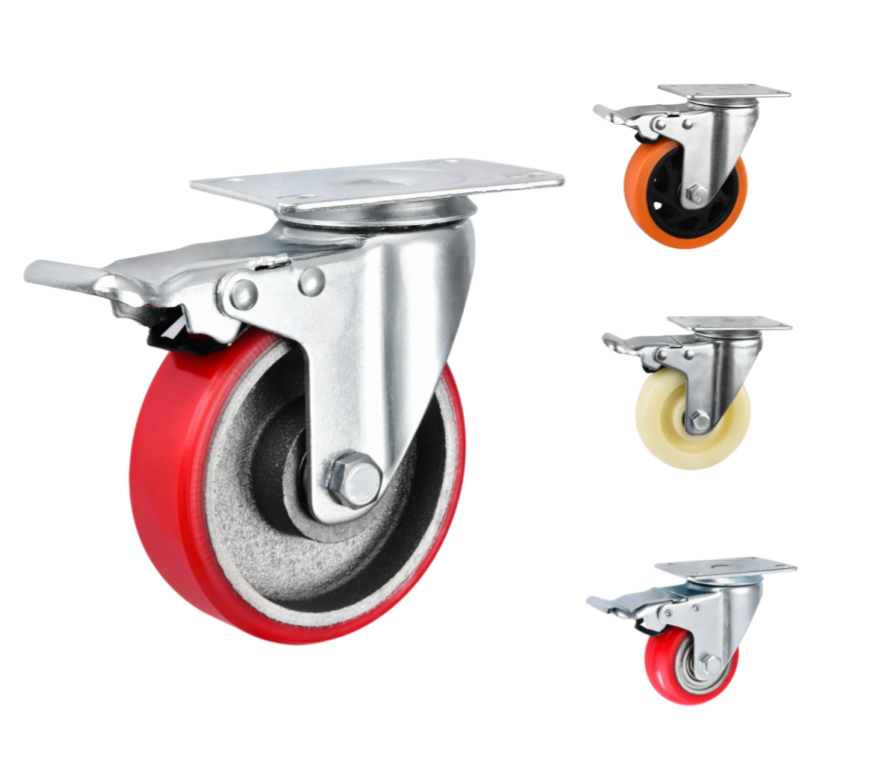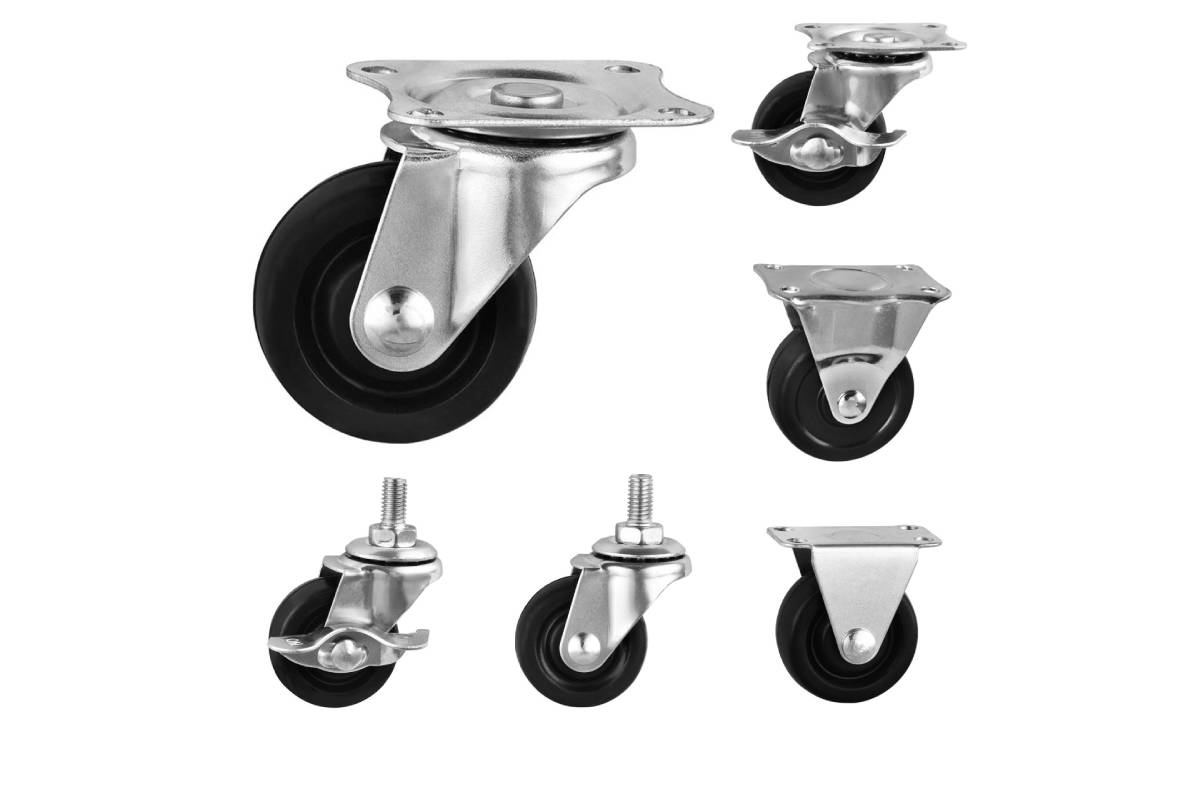

Caster wheels are widely used in industrial equipment, warehouse carts, medical devices, furniture, logistics trolleys, and commercial facilities. When operating properly, casters provide smooth, stable, and quiet movement. However, many users eventually encounter squeaking, clicking, rattling, grinding, or vibration noises during daily use.
While excessive caster noise may seem like a minor inconvenience, it can indicate underlying issues that affect equipment performance, mobility efficiency, and operational safety. In many cases, persistent noise is an early warning sign of bearing wear, loose components, improper wheel selection, or inadequate maintenance.
As a professional industrial casters manufacturer, CMCL Casters has helped customers across manufacturing, warehousing, furniture, medical equipment, and logistics industries solve a wide range of caster performance issues. Based on years of field experience, we have found that most caster wheel noise problems are not caused by manufacturing defects. Instead, they typically result from lubrication failure, environmental contamination, component wear, improper installation, or selecting the wrong caster for the application.
This guide explains the most common causes of caster wheel noise, provides practical troubleshooting methods, and shares long-term solutions to help maintain smooth, quiet, and reliable caster performance.
Symptoms
A.Continuous squeaking or chirping sounds during movement
B.Increased rolling resistance
C.Difficulty steering or rotating
D.Noise becomes more noticeable after long periods of storage
Why It Happens
According to CMCL’s after-sales service experience, bearing-related issues account for a significant portion of caster noise complaints. Over time, factory-applied grease can dry out, become contaminated, or gradually lose effectiveness. Dust, moisture, and debris entering the bearing assembly accelerate lubricant deterioration, causing direct metal-to-metal friction.
Solutions
A.Remove dirt and debris around the wheel axle and bearing area
B.Apply high-quality lithium-based grease to bearings and axle contact points
C.Use grease fittings if equipped
D.Rotate the wheel several times after lubrication to distribute grease evenly
Regular lubrication often eliminates squeaking immediately and helps prevent premature bearing wear.
Symptoms
A.Clicking sounds during rolling
B.Grinding or metal friction noises
C.Wheel wobbling or instability
D.Difficult movement or intermittent jamming
Why It Happens
Heavy loads, continuous operation, and harsh environments gradually wear bearing components. Moisture exposure can also cause corrosion and rust, reducing rotational accuracy and generating abnormal noise.
Solutions
A.Remove light rust and apply fresh lubricant
B.Replace bearings showing excessive wear or deformation
C.Upgrade to sealed bearings in dusty, humid, or outdoor environments
D.Inspect axle condition when replacing bearings
For industrial applications, sealed bearings provide significantly better protection against contamination and moisture.
Symptoms
A.Repetitive bumping or tapping sounds
B.Increased vibration during movement
C.Noise becomes louder at higher speeds
D.Uneven rolling performance
Why It Happens
Long-term use can create flat spots, uneven wear patterns, and surface damage. In addition, aging rubber and polyurethane wheels may lose elasticity over time. Hard wheel materials such as nylon or steel often generate more noise when used on smooth indoor flooring.
Solutions
A.Remove dirt and debris from wheel surfaces
B.Replace wheels showing cracks, flat spots, or severe wear
C..Distribute loads evenly to prevent uneven wheel wear
D.Select wheel materials based on floor conditions
For many indoor applications, polyurethane (PU) and rubber wheels provide superior noise reduction compared to hard nylon wheels.
Symptoms
A.Rattling or banging noises
B.Noise during starting, stopping, or turning
C.Noticeable caster shaking
D.Unstable movement on uneven surfaces
Why It Happens
Continuous vibration may loosen mounting bolts, axle nuts, and fastening hardware. Worn mounting holes and missing spacers can create excessive clearance between components, resulting in movement and impact noise.
Solutions
A.Tighten all mounting hardware
B.Replace worn fasteners
C.Install missing washers, spacers, or retaining rings
D.Repair damaged mounting locations
E.Check swivel assembly clearances
A simple hardware inspection can often solve persistent rattling issues.
Symptoms
A.Irregular noise patterns
B.Wheel stuttering or hesitation
C.Noise temporarily disappears after cleaning
Why It Happens
Hair, threads, dust, sand, and small particles frequently accumulate around wheel axles and bearing areas. These materials create friction and interfere with normal wheel movement.
This issue is particularly common in offices, hospitals, retail environments, and furniture applications.
Solutions
A.Remove wrapped hair and fibers regularly
B.Clean bearing areas and wheel forks
C.Inspect caster assemblies during routine maintenance
D.Keep operating surfaces clean whenever possible
Preventive cleaning is one of the easiest ways to maintain quiet caster operation.
Symptoms
A.Noise only occurs during turning
B.Straight movement remains quiet
C.Mild vibration during steering
D.Increased noise under load
Why It Happens
Dry swivel raceways, insufficient lubrication, bracket deformation, or load mismatches can generate friction during turning. In some cases, structural resonance amplifies minor sounds and vibrations.
Solutions
A.Lubricate swivel raceways and pivot points
B.Inspect caster brackets for deformation
C.Replace damaged swivel assemblies
D.Verify load capacity matches actual operating conditions
Proper caster sizing helps minimize vibration and resonance-related noise.
Before replacing your casters, perform the following quick inspection:
Check for:
A.Wheel wear
B.Cracks or deformation
C.Debris accumulation
D.Loose hardware
E.Missing components
Lift the equipment slightly and rotate the caster manually.
A.Noise while spinning freely usually indicates bearing issues.
B.Noise only during floor contact often points to wheel material or floor interaction.
Turn the caster through its full swivel range.Noise only while turning typically indicates swivel assembly issues.
Shake the caster assembly gently.Excessive movement often indicates loose hardware or worn mounting points.
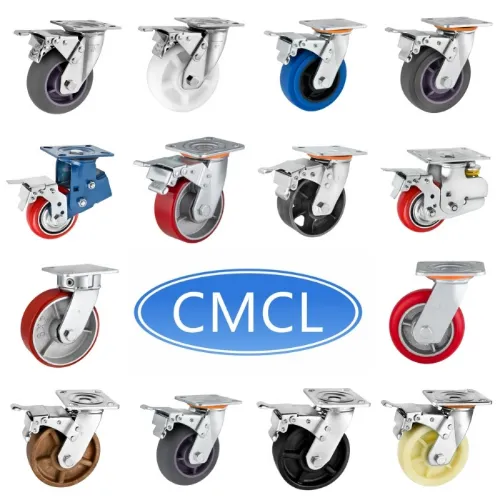
CMCL develops caster solutions specifically for applications requiring smooth, stable, and quiet mobility.
Key design features include:
A.Precision bearing systems for smoother rotation
B.High-quality polyurethane and TPR wheel materials
C.Dustproof and sealed bearing options
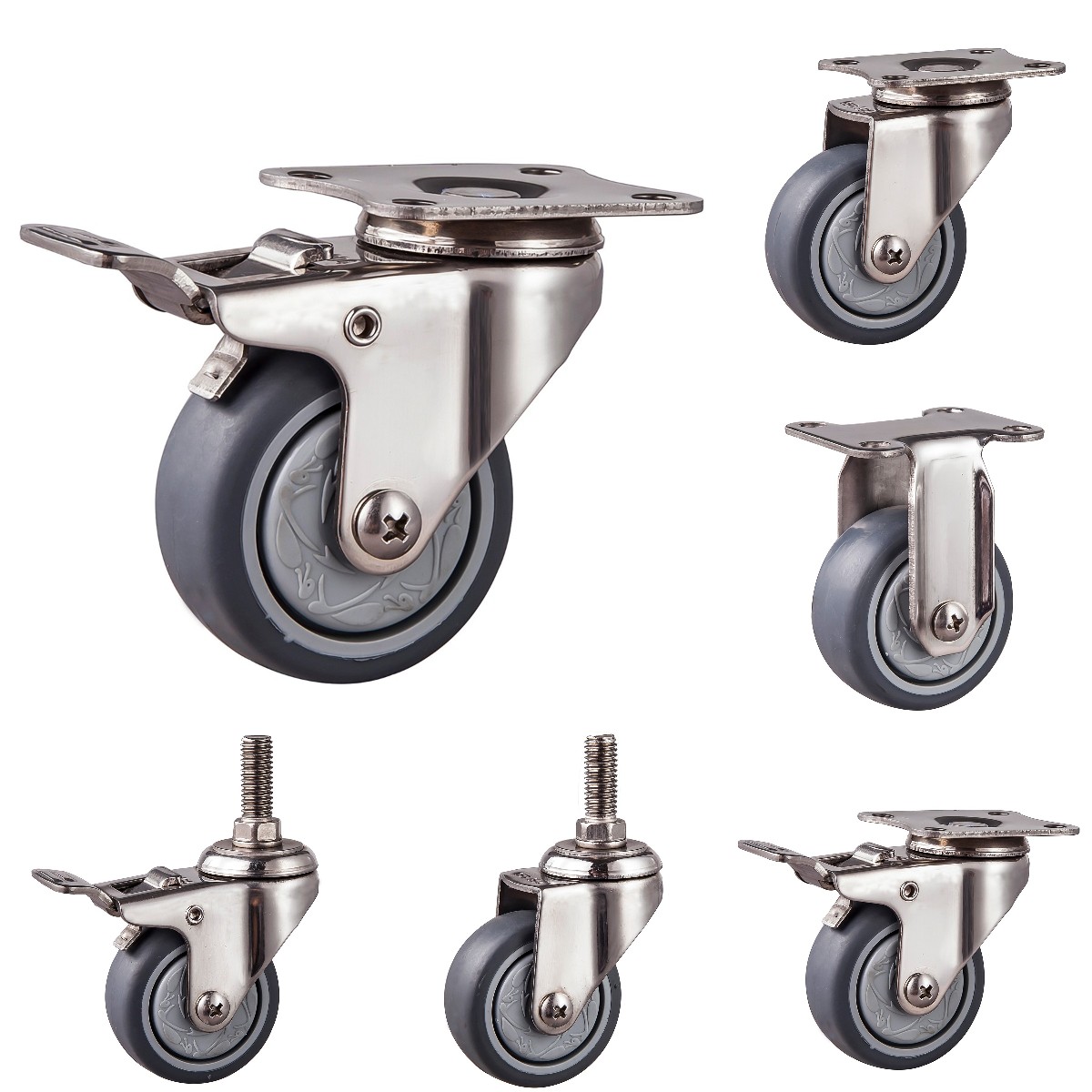
D.Stainless steel caster solutions for wet environments
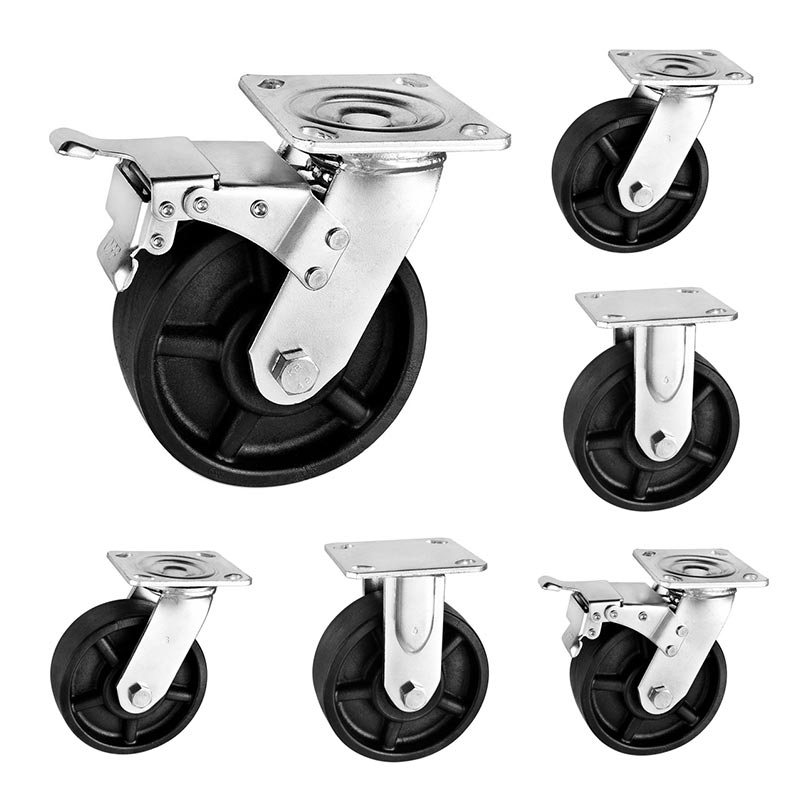
E.Heavy-duty industrial caster designs that reduce vibration under load
F.Anti-static caster options for electronics and cleanroom applications
G.High-temperature caster solutions for demanding industrial environments
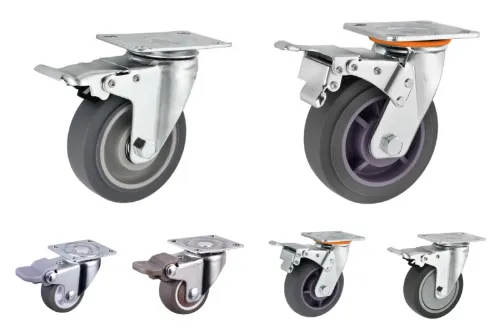
By selecting the correct wheel material, bearing configuration, and load capacity, users can significantly reduce operational noise while improving safety and caster service life.
Caster wheel noise is rarely the result of a complex mechanical failure. In most cases, abnormal sounds originate from insufficient lubrication, worn bearings, debris accumulation, loose hardware, aging wheels, or improper caster selection.
Many noise issues can be resolved quickly through cleaning, lubrication, and routine maintenance. When components become excessively worn or damaged, timely replacement helps restore smooth and quiet operation while preventing larger mechanical problems.
If your caster wheels continue to produce abnormal noise after inspection and maintenance, the root cause may be related to wheel material selection, bearing configuration, or application mismatch. As an experienced industrial caster manufacturer, CMCL provides customized caster solutions for warehouses, factories, furniture, medical equipment, logistics systems, and specialized industrial environments. Choosing the right caster from the beginning not only reduces noise but also improves mobility, safety, efficiency, and long-term operating reliability.