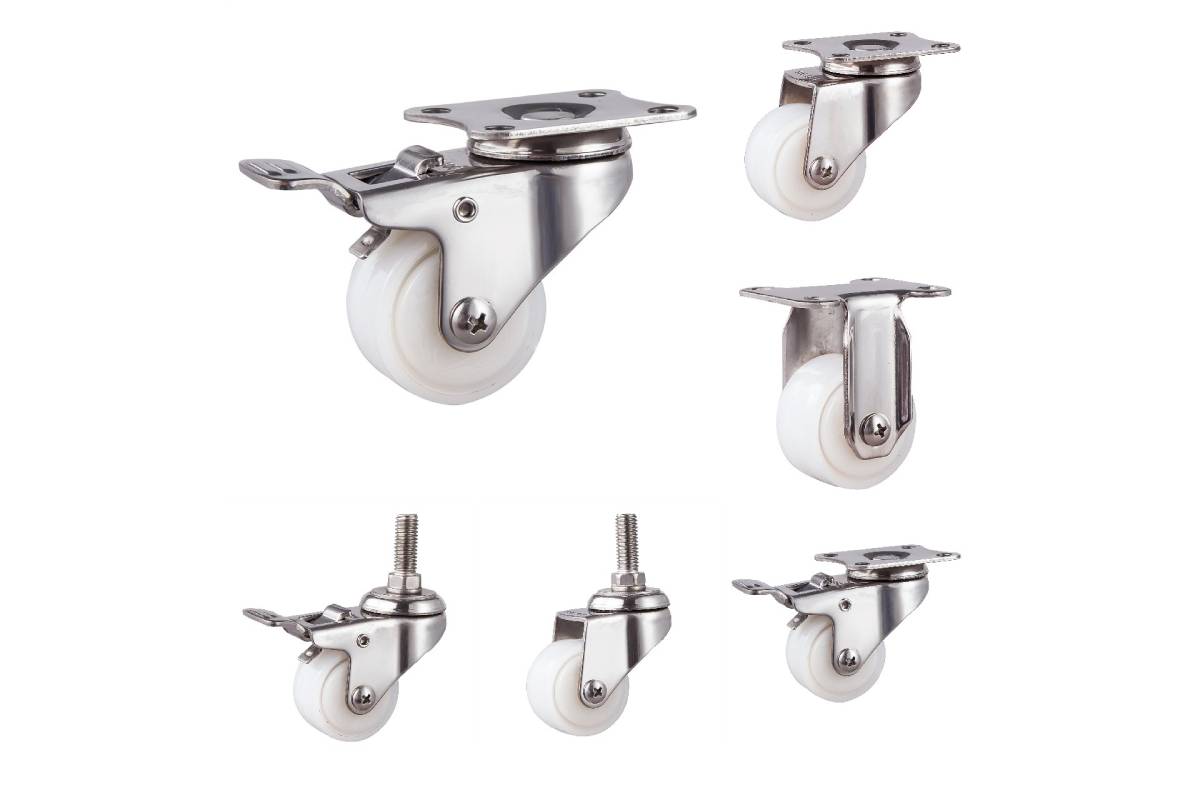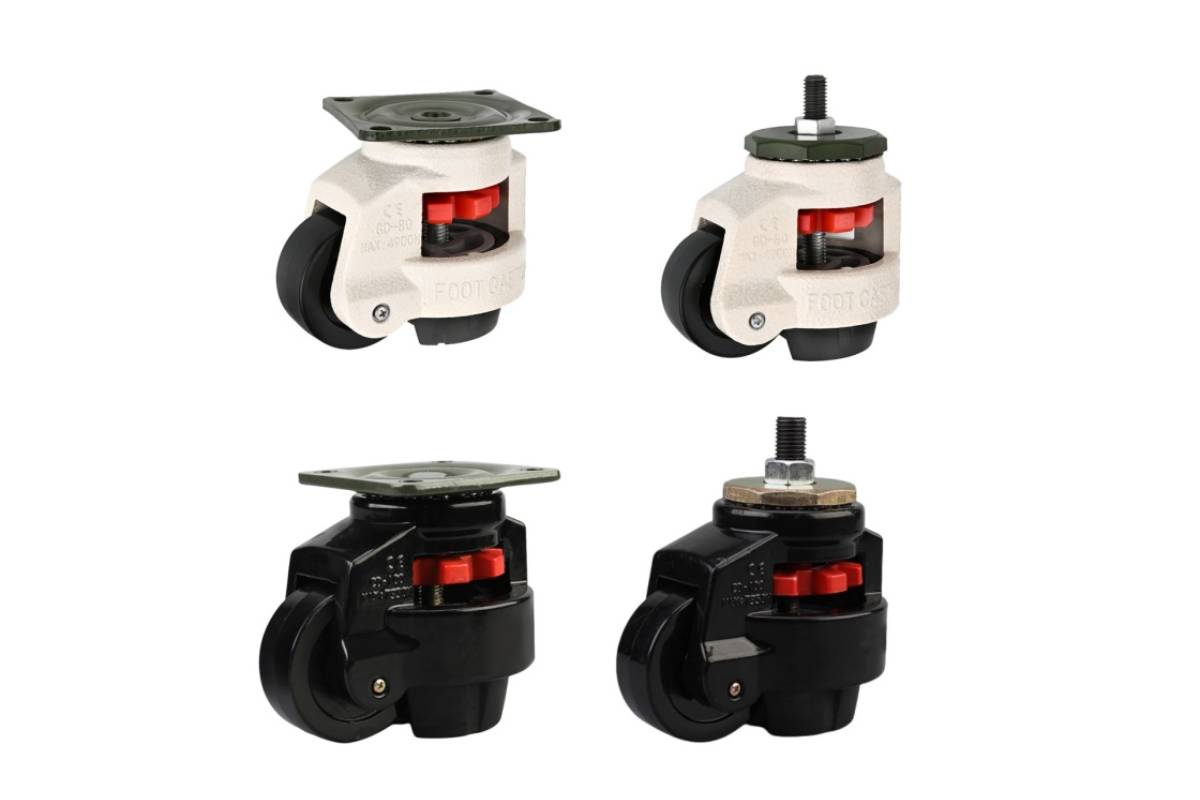

As caster wheel cracking and premature wheel failure continue to impact warehouses, manufacturing plants, hospitals, supermarkets, and AGV systems, enterprises are facing rising maintenance costs, equipment downtime, and operational safety risks. To address these industry-wide challenges, CMCL Casters, a professional industrial caster manufacturer, has partnered with industry testing organizations and equipment operation teams to introduce a comprehensive prevention framework covering wheel selection, manufacturing, installation, operation, and maintenance.
Drawing on years of industrial application experience and thousands of field service cases, CMCL® caster solutions engineers have identified that most caster wheel failures can be prevented through proper material selection, load calculation, installation practices, and preventive maintenance.
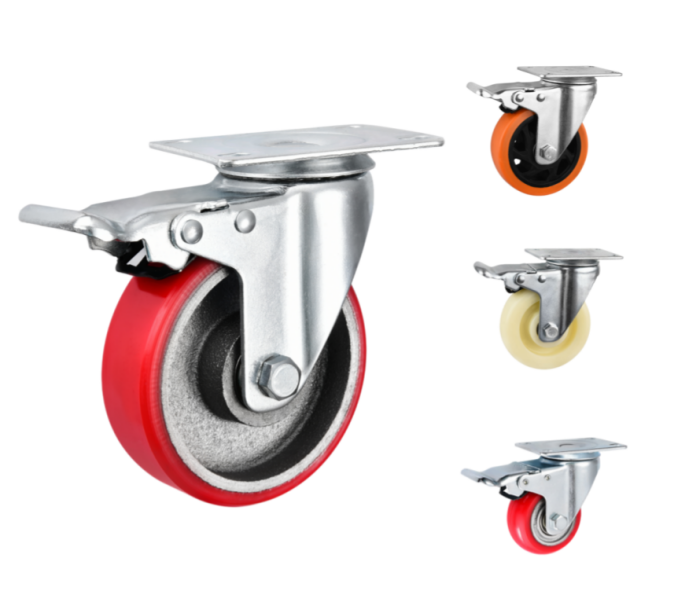
One of the most effective ways to prevent caster wheel cracking is selecting wheel materials that match real operating conditions rather than focusing solely on purchase price.
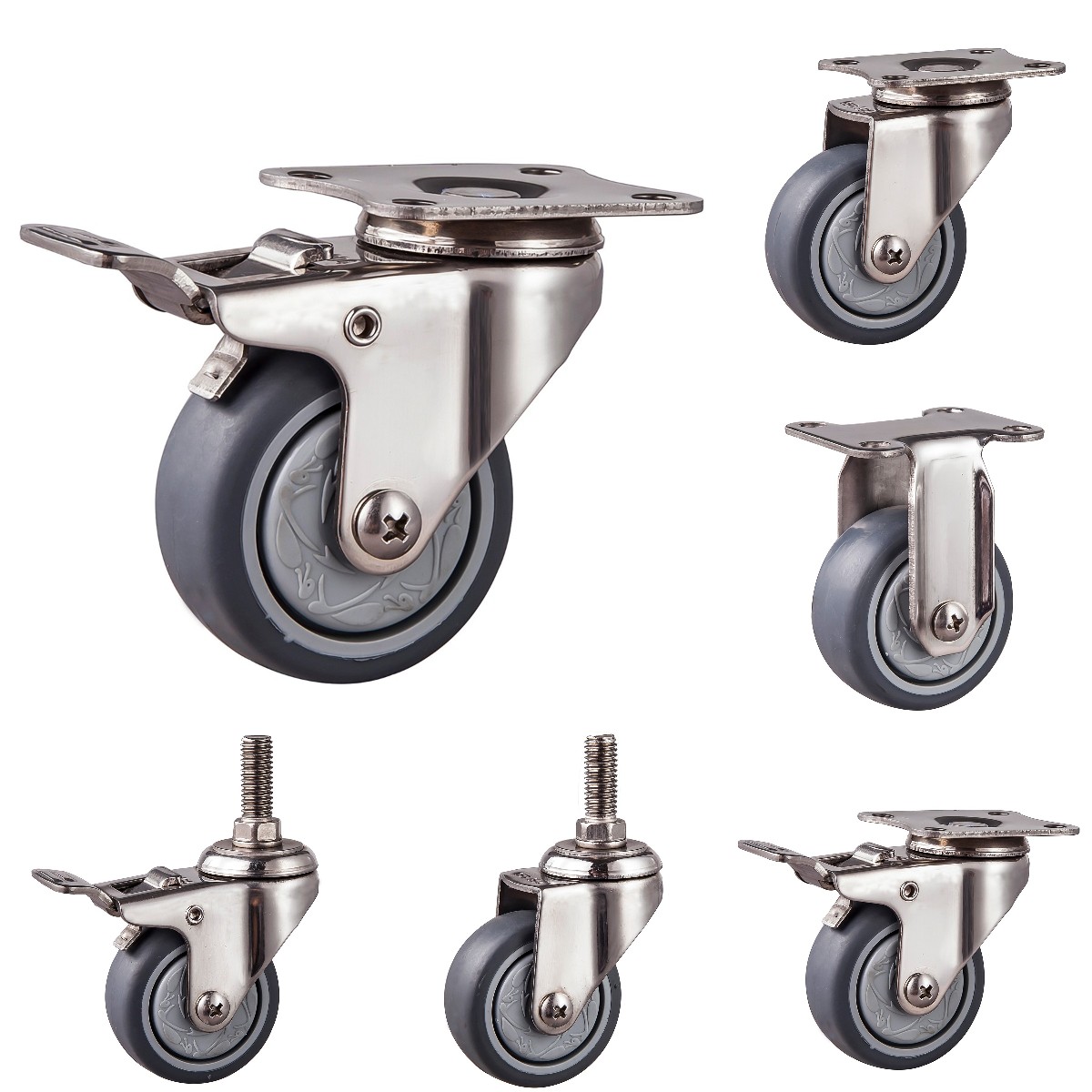
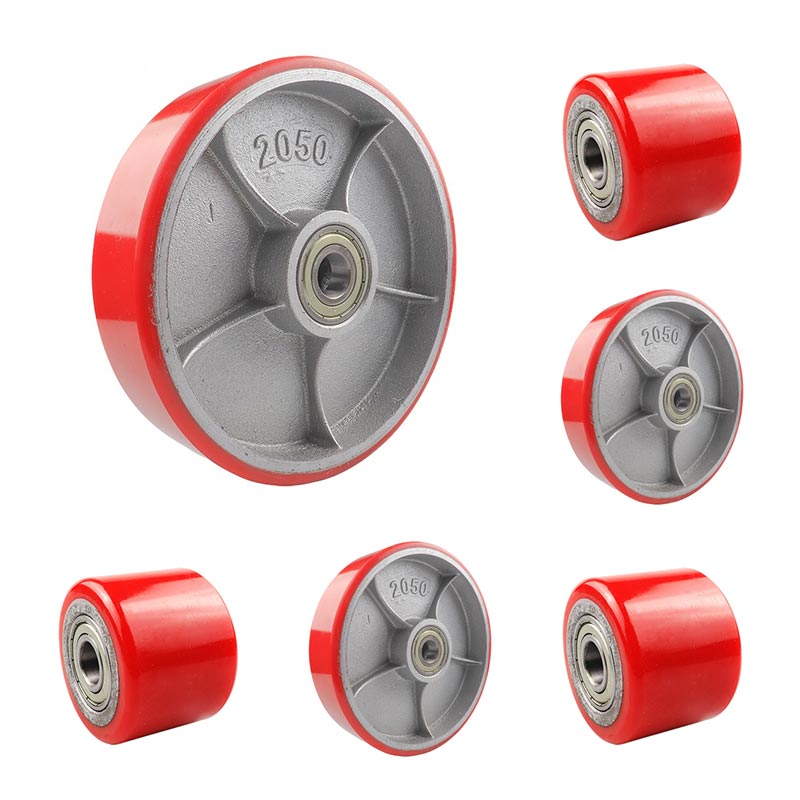
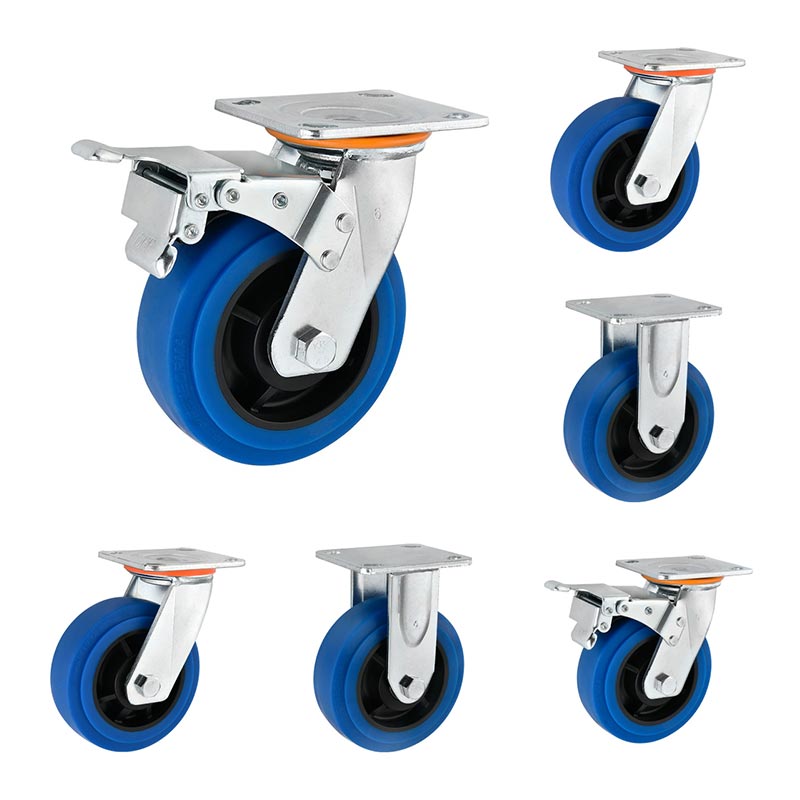
For standard indoor logistics and warehouse applications, virgin TPU polyurethane casters provide excellent wear resistance, impact resistance, and long-term durability. Heavy-duty manufacturing environments and AGV systems often benefit from reinforced nylon casters that offer superior compressive strength under continuous loading.
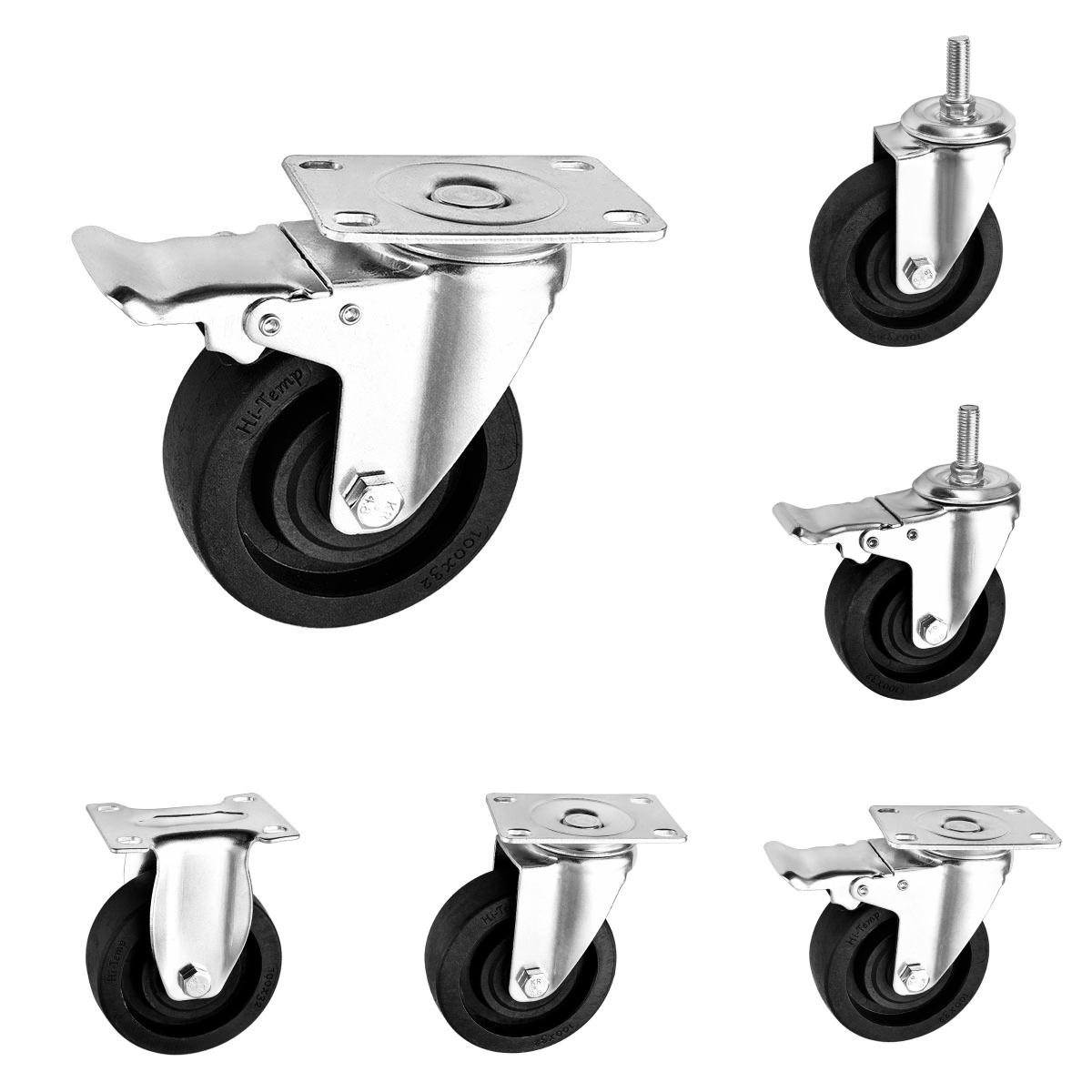
Special environments require specialized solutions. Low temperature modified polyurethane wheels are recommended for cold storage facilities, while High Temperature Casters are better suited for drying lines, ovens, and heat-intensive workshops. For electronics manufacturing and static-sensitive production areas, Anti Static Casters help protect equipment while reducing wheel degradation caused by unsuitable operating conditions.
To further reduce failure risks, CMCL engineers recommend selecting caster capacity with at least a 20% safety margin above calculated operating loads and choosing larger wheel diameters for rough or uneven floors.
Industry experts agree that wheel quality begins with manufacturing standards.
Based on CMCL Casters’ production specifications, industrial-grade casters should utilize virgin raw materials rather than heavily recycled compounds. While limited recycled content may be acceptable for certain light duty consumer products, industrial casters operating under continuous loads require more stable material properties.
For polyurethane casters, combining mechanical locking structures with industrial bonding systems significantly improves tread-to-core adhesion. Reinforced axle-hole designs, optimized wheel geometry, and controlled molding temperatures help reduce stress concentration and minimize the risk of cracking during long-term service.
CMCL Casters has continuously improved its anti-cracking injection molding technology to reduce residual internal stress and enhance wheel durability under demanding industrial conditions.
Field investigations show that many caster wheel failures originate from installation issues rather than product defects.
Equipment mounting surfaces should remain level, with minimal flatness deviation. Fasteners should be tightened evenly to prevent localized stress, while anti-slip washers can help avoid excessive compression around mounting points.
Using casters with different heights, specifications, or wheel materials on the same cart often creates uneven load distribution that accelerates wheel fatigue. For equipment with off-center weight distribution, balancing mechanisms should be used to ensure all casters share the load properly.
After installation, conducting a no-load movement test can help identify alignment issues before equipment enters service.
Even high quality casters can fail prematurely when exposed to improper handling practices.
Sudden impacts, dropping heavy loads onto carts, excessive speed over floor transitions, and forced pivot turns place unnecessary stress on wheel structures. Operators should maintain smooth movement patterns and avoid repeated shock loading whenever possible.
In environments containing metal debris, gravel, or sharp floor contaminants, regular floor cleaning can dramatically reduce edge chipping and wheel surface damage.
Chemical facilities should prevent prolonged exposure to aggressive acids, alkalis, and solvents, while outdoor equipment should be protected from excessive ultraviolet exposure and severe weather whenever possible.
A structured maintenance program remains one of the most cost-effective methods for preventing caster wheel failure.
Monthly inspections should include checks for surface cracks, wheel separation, abnormal wear patterns, and bearing condition. Bearings should be lubricated regularly and protected with dust-resistant and moisture-resistant accessories where necessary.
When wheel tread wear approaches one-third of the original thickness, replacement planning should begin before structural damage occurs. Maintenance records can also help facility managers identify the most suitable wheel materials for different operating environments and improve future purchasing decisions.
Industry experts believe that although casters are relatively small components, they play a critical role in equipment safety, operational efficiency, and long-term maintenance costs.
As performance requirements continue to rise across logistics, healthcare, manufacturing, and automation sectors, demand for caster wheel cracking prevention and application-specific wheel solutions is expected to grow significantly.
As a CMCL industrial caster factory, the company continues to invest in wheel material research, anti-cracking technology development, and customized caster solutions for industrial, medical, logistics, and AGV applications. By combining proper product selection, manufacturing quality, installation standards, and preventive maintenance, enterprises can effectively prevent caster wheel failure, reduce replacement costs, and improve overall handling safety.
A1: The most efficient anti-cracking method follows 5 key steps: select scenario-matched virgin wheel materials, reserve minimum 20% load safety margin, complete standardized level installation, avoid violent impact operation, and implement monthly routine maintenance. CMCL Casters provides one-stop material selection and load calculation service to avoid cracking fundamentally.
A2: It is mostly caused by non-standard installation rather than product quality defects. Uneven mounting base, uneven bolt tightening force, mixed-spec casters assembled on one trolley, and eccentric load distribution will lead to unilateral overload cracking. CMCL Casters offers free professional installation guidance for bulk order customers.
A3: CMCL professional engineers strongly suggest reserving at least 20% rated load safety margin. Considering dynamic pushing force, floor bump impact and uneven ground load, extra load allowance can effectively eliminate long-term fatigue cracking and extend caster service life greatly.
A4: Definitely yes. Regular bearing lubrication, timely wheel cleaning, regular crack inspection, and replacing wheels when tread wears to 1/3 original thickness can cut caster cracking failure rate by over 60%. It is the most cost-saving way to lower equipment downtime and replacement cost.
A5: Not allowed in any industrial scenario. Mixed-height, mixed-material or mixed-spec casters will cause unbalanced load bearing, making single wheel bear double pressure, which triggers edge chipping and radial cracking in a short period. Uniform full-set CMCL casters are required for one handling device.