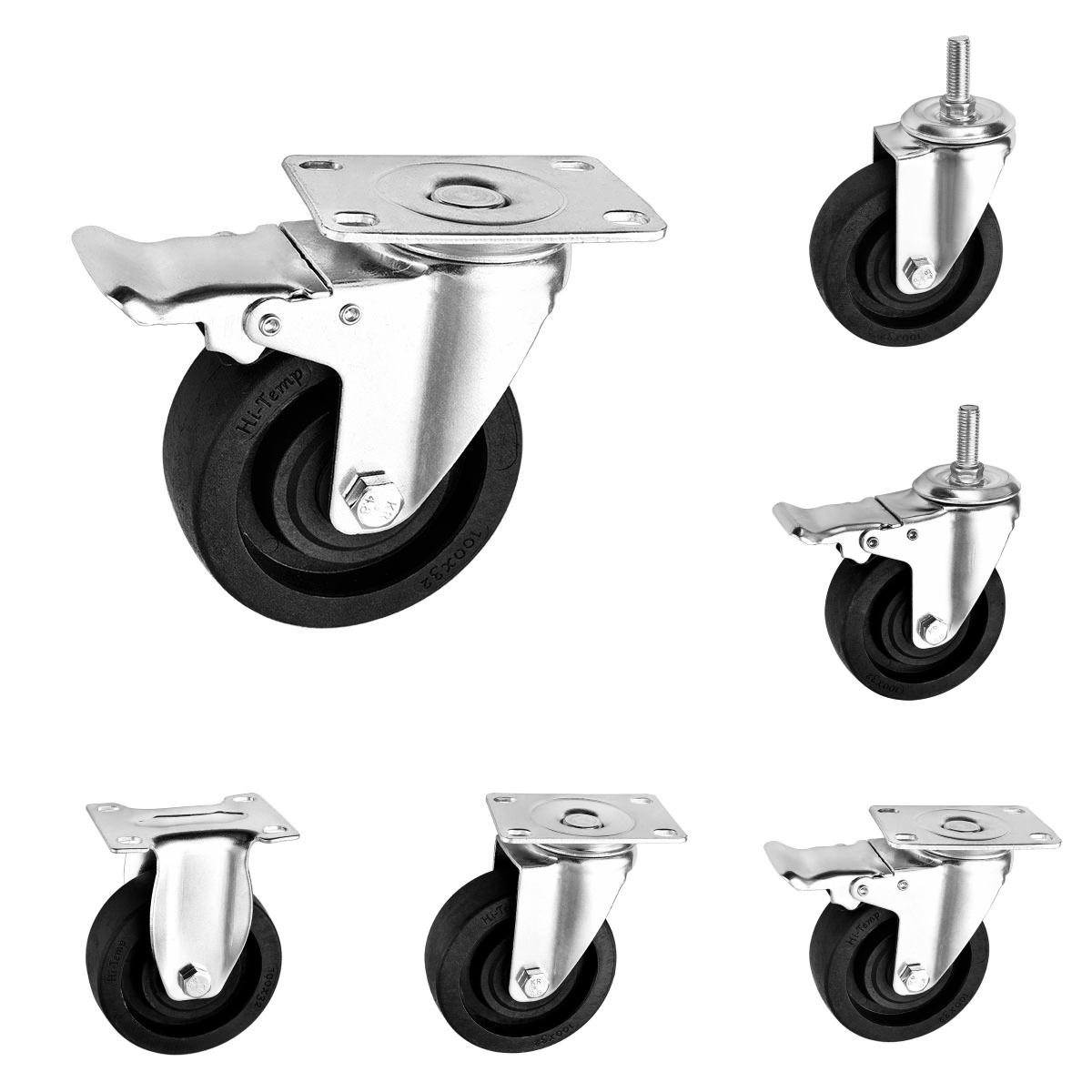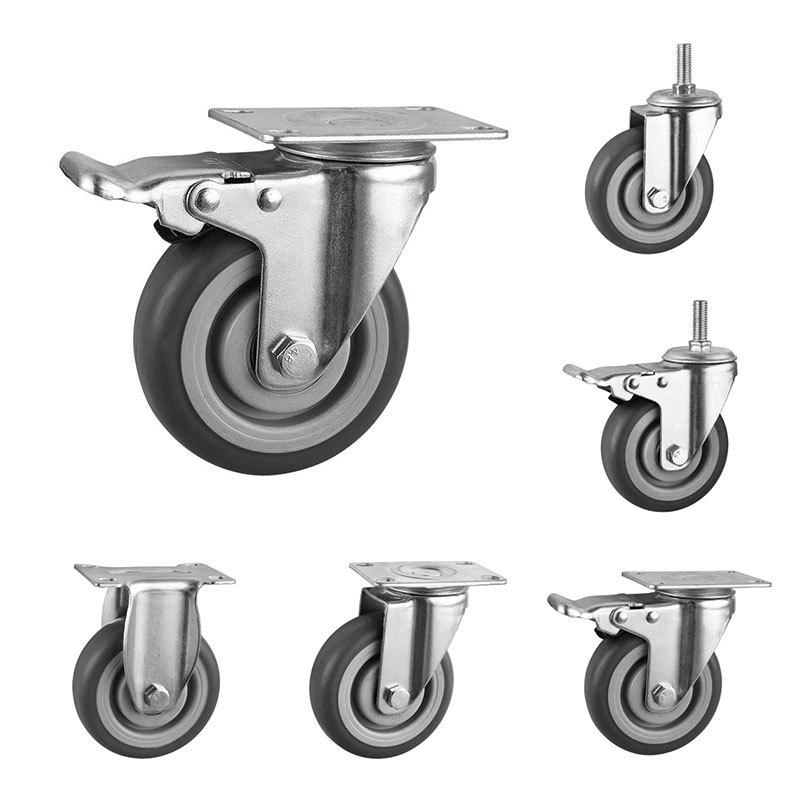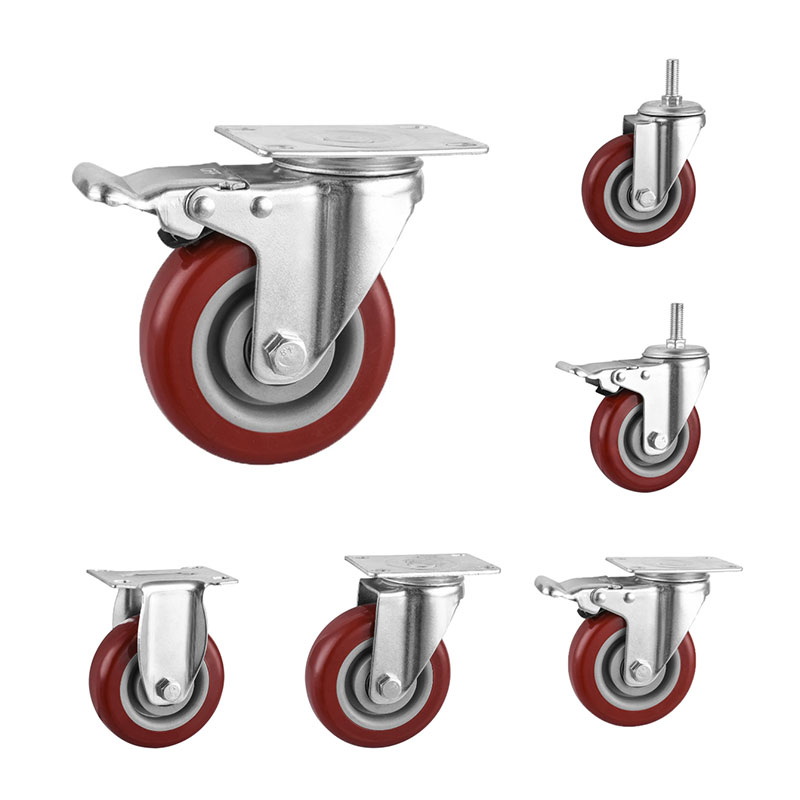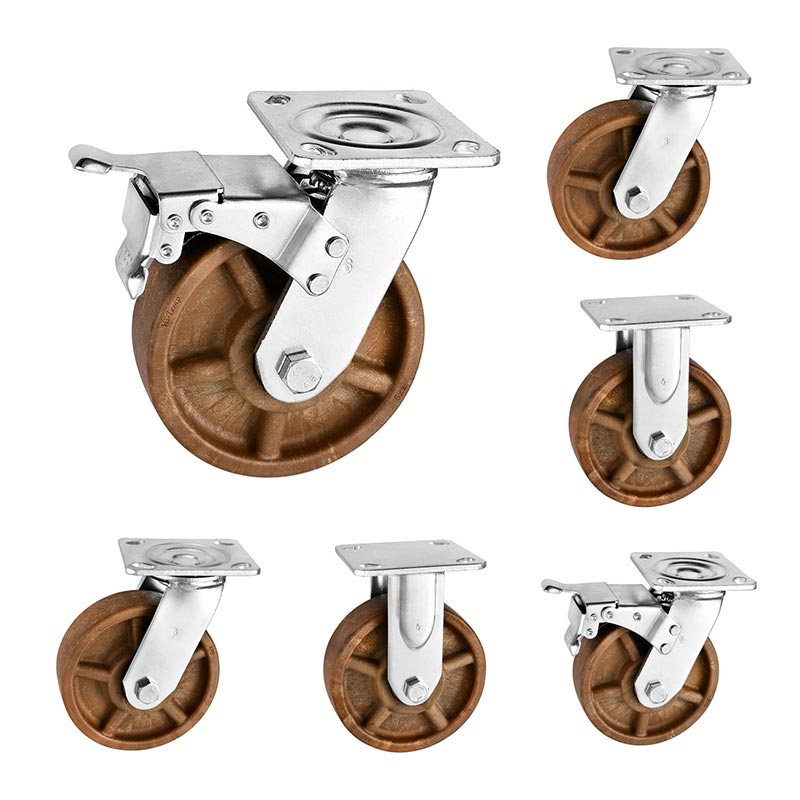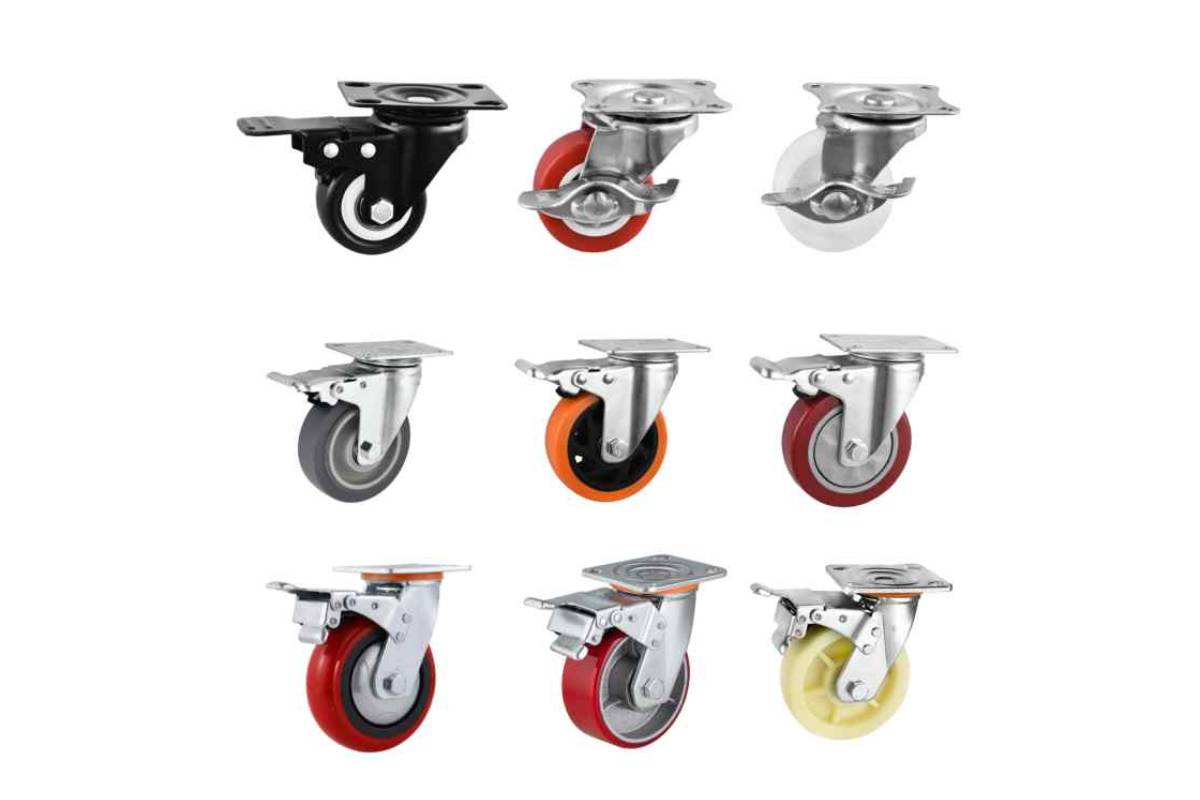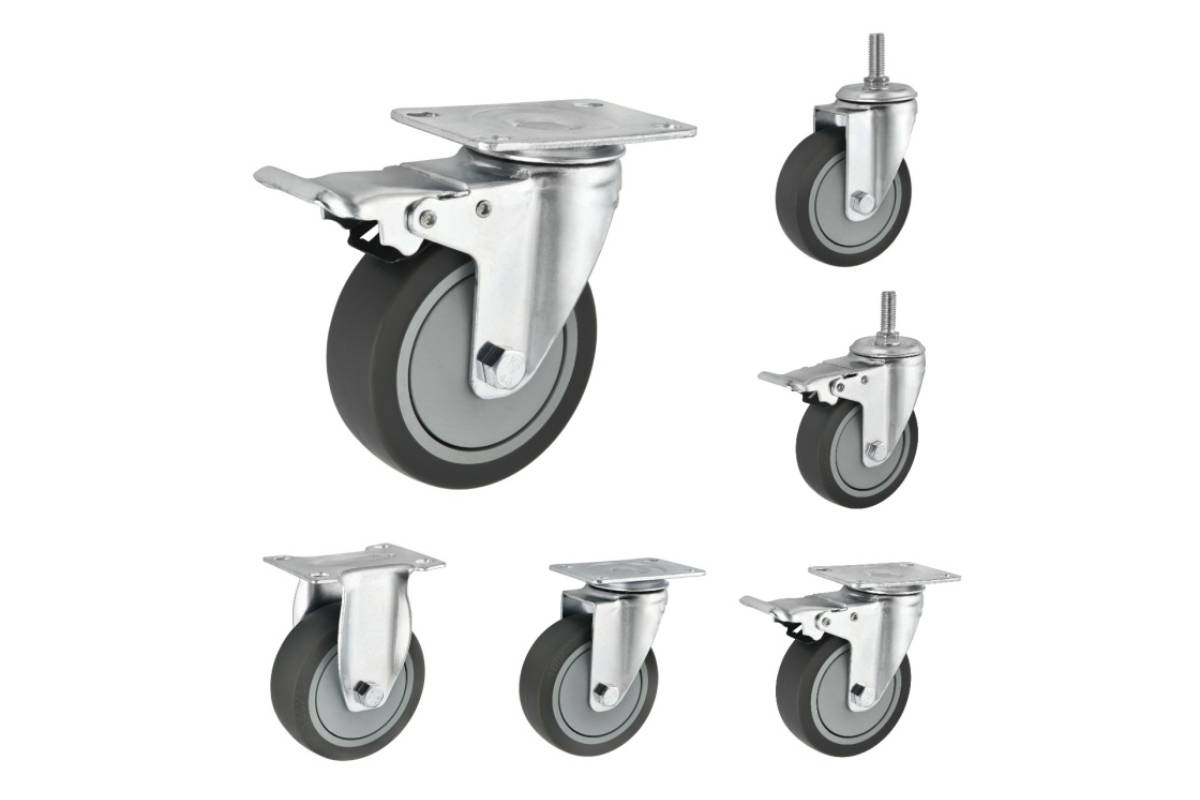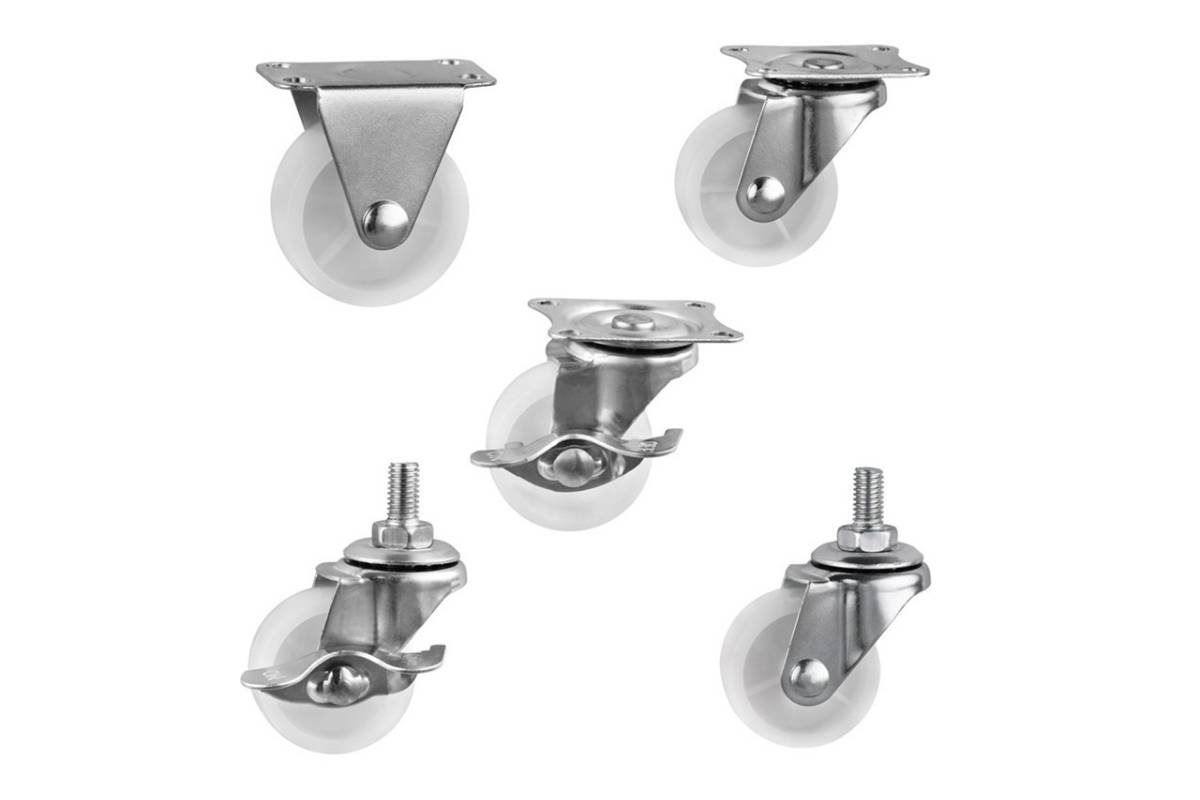

In high-temperature environments, ordinary casters often fail within months—wheels melt, bearings seize, brackets deform. This not only disrupts production efficiency but also adds unnecessary replacement costs.
If your equipment needs to operate in high-temperature scenarios such as paint booths, heat treatment plants, bakeries, or steam processing lines, choosing the right high temperature caster wheels is essential. This article covers two key dimensions to help you make the right decision.
Not all "heat-resistant" casters can truly withstand high temperatures. There are three mainstream high-temperature materials, each with different properties and applications:
Temperature Range: 200°C - 300°C+
Advantages: Good elasticity, excellent heat resistance, floor-friendly
Limitations: Limited load capacity
Applications: Paint booths, bakeries, steam processing lines
Temperature Range: 150°C - 250°C
Advantages: High load capacity, wear-resistant
Limitations: Higher hardness, not suitable for smooth floors
Applications: Heat treatment plants, kiln cars, high-temperature logistics equipment


Temperature Range: 80°C - 150°C
Advantages: Moderate elasticity, wear-resistant, floor-friendly
Limitations: Softens and deforms above 150°C
Applications: Drying ovens, moderate-temperature environments
Many buyers assume that only the wheel needs to withstand high temperatures. In reality, the bracket structure is equally important.
Standard galvanized brackets may gradually deform when exposed to temperatures above 200°C. When selecting high temperature caster wheels, always confirm the bracket material and its temperature rating.
Not necessarily. 250°C silicone rubber costs significantly more than 150°C polyurethane. If your actual operating temperature is only 120°C, choosing a 150°C-rated material offers better value.
Bearings are one of the most common failure points in high-temperature environments.
Standard bearings may lose lubrication or seize under heat. Reliable high temperature caster wheels should use high-temperature sealed bearings and heat-resistant grease to ensure smooth movement during continuous operation.
In the 150°C to 250°C high-temperature range, our high temperature caster wheels are a reliable choice for heat treatment plants, kiln cars, and high-temperature logistics equipment—featuring high load capacity, excellent wear resistance, and equipped with high-temperature sealed bearings. They can also be paired with full stainless steel brackets to ensure stable operation even under continuous high temperatures.


If your required temperature range or application scenario falls outside the above parameters, please contact us for consultation. CMCL® Casters can provide technical recommendations based on your specific operating conditions to help you find the right caster configuration.