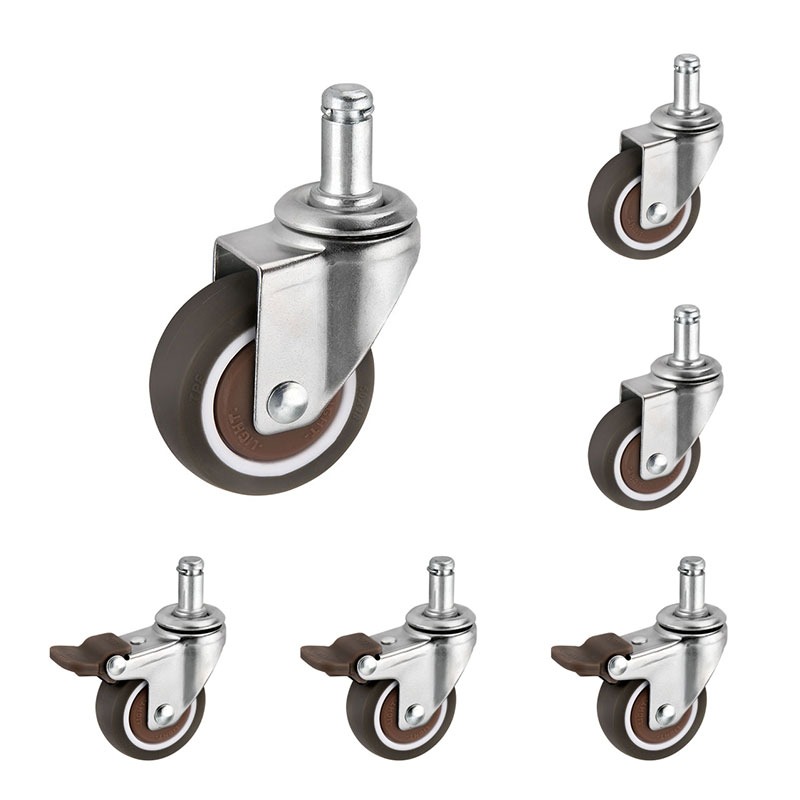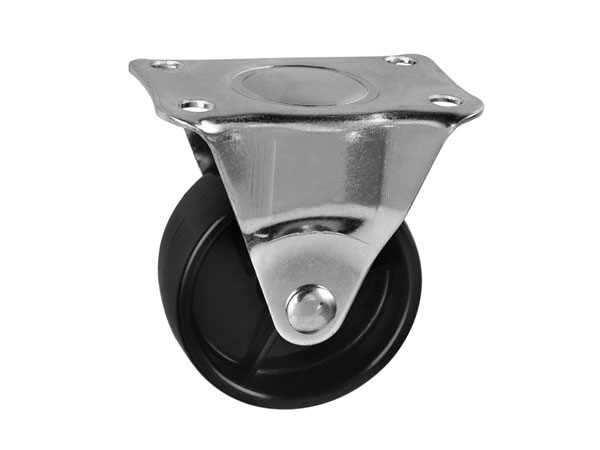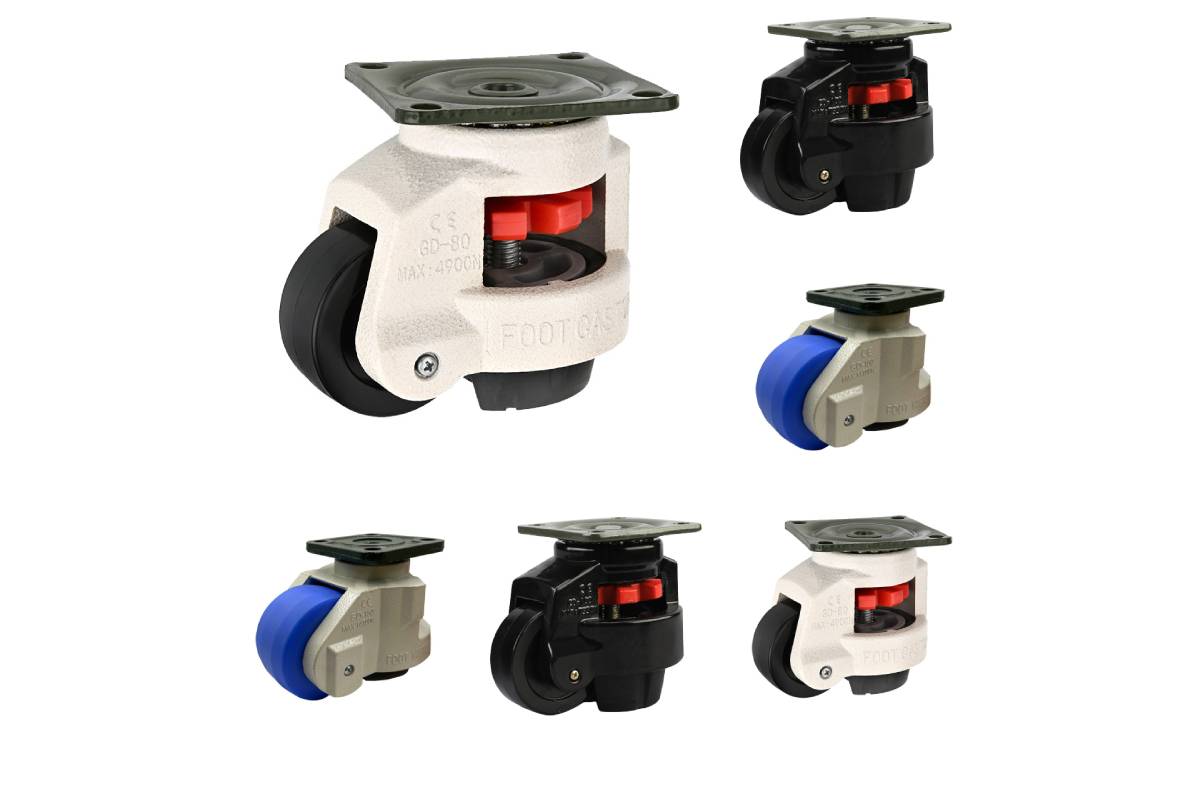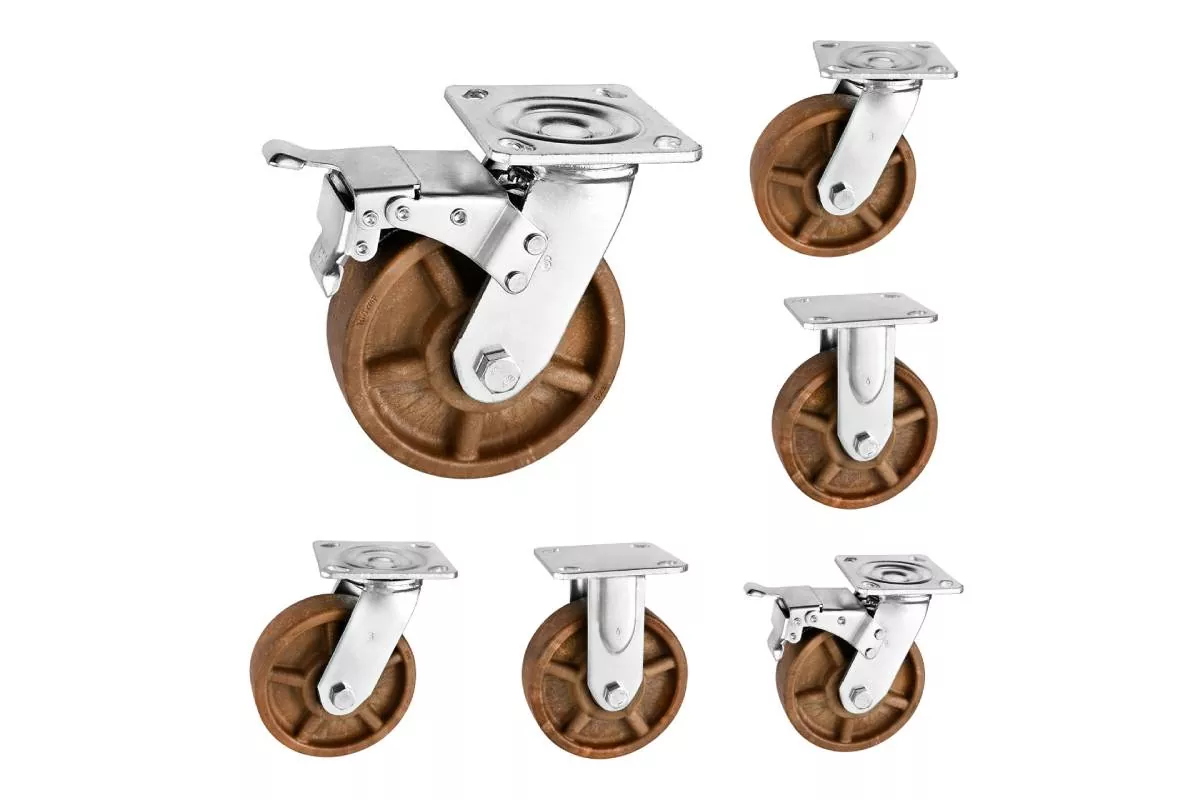

Many factory managers, warehouse operators, and equipment users often face a confusing problem: industrial casters break easily, even under normal working conditions. Frequent caster damage not only affects equipment mobility and work efficiency but also increases replacement costs and brings potential safety hazards. To help users avoid unnecessary losses, this article sorts out the most common reasons why casters break easily and provides targeted preventive and solving solutions.
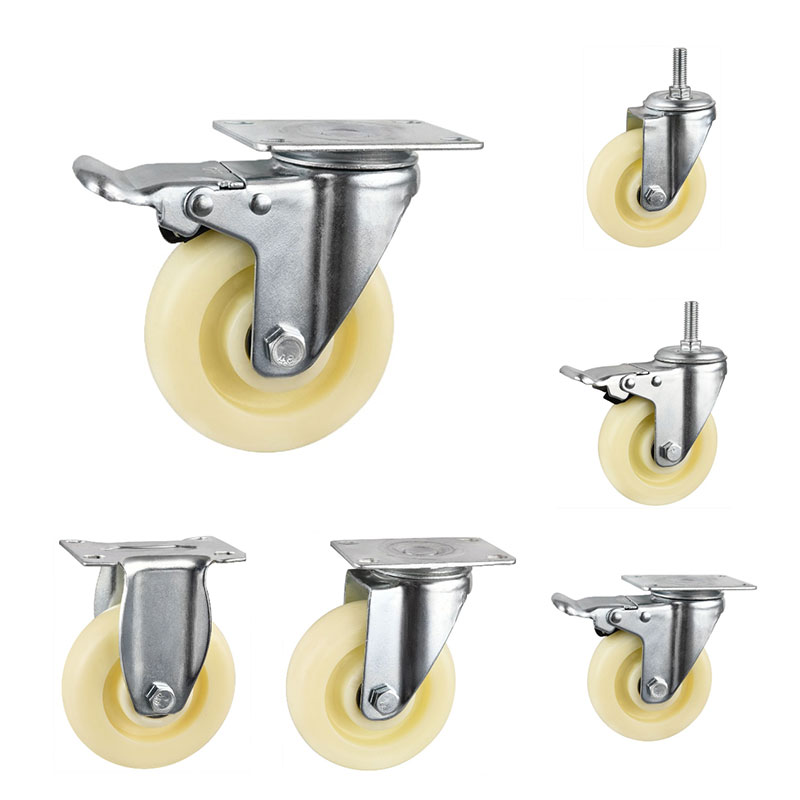
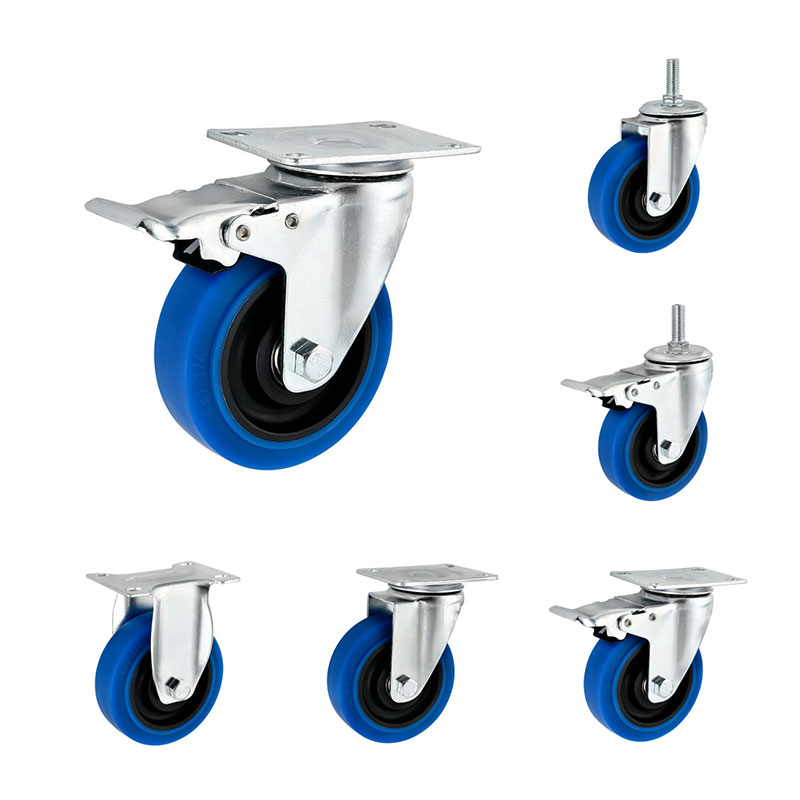
Overloading is the number one cause of premature caster damage. Every industrial caster, whether PU, rubber, or nylon caster, has a clear rated load standard set by the manufacturer.
In actual industrial scenarios, many users ignore the load limit and place excessive goods on trolleys, workbenches, or mobile equipment. Long-term overloading will directly cause the caster wheel surface to deform, crack, or even break, and also lead to severe deformation and fracture of the caster bracket and bearing shaft. It is worth noting that instantaneous impact load during handling is far more damaging than static load, which is why casters often break suddenly during pushing and moving.
The service life of casters is closely related to the ground and working environment. Harsh industrial environments will accelerate caster wear and breakage:
•Uneven ground: Ground cracks, gaps, gravel, and raised edges will cause uneven force on casters. Long-term rolling and jolting will crack the wheel core and wear the bearings.
•Corrosive environment: Factories with chemical liquids, acid-base substances, or humid environments will corrode metal brackets, bearings, and wheel surfaces, leading to structural damage.
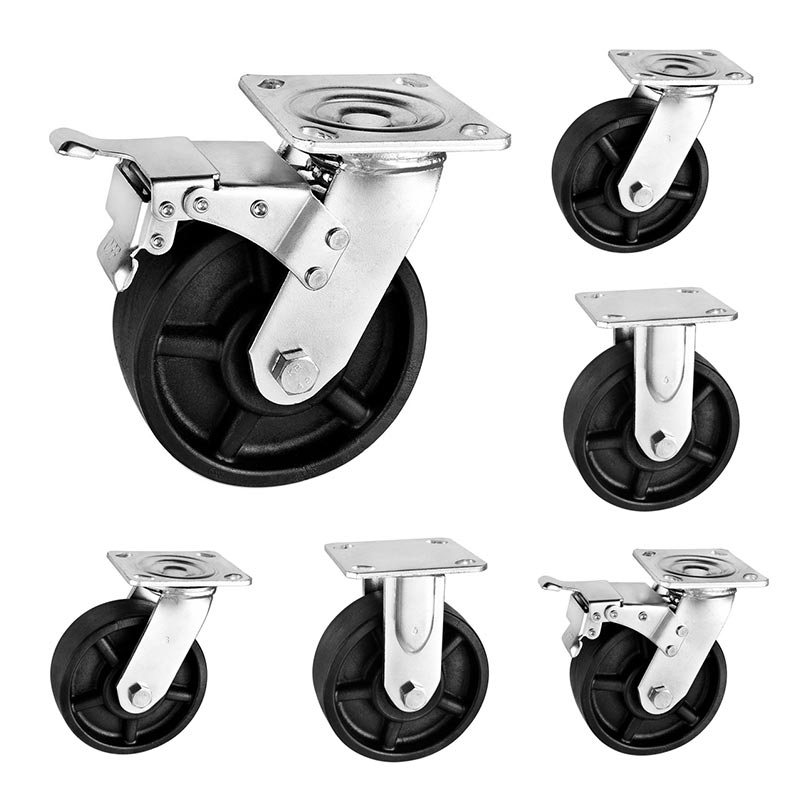
•High-temperature environment: Working in high-temperature workshops such as bakeries and hardware factories for a long time will soften ordinary rubber and PU casters, causing deformation, peeling, and breakage. In this scenario, professional high temperature casters are specially designed to resist thermal deformation and maintain stable rolling performance in extreme heat, effectively avoiding premature damage.
Most caster damage is not caused by product quality problems but by daily improper operation. Common wrong operations include: violently pushing or pulling equipment, forcibly turning casters when the equipment is stationary, dragging casters in situ, and stepping or hitting casters artificially. These rough operations will cause instantaneous strong pressure and torsion on the casters, resulting in bracket deformation, bearing jamming, and wheel body fracture.
Many users choose cheap, low-quality casters to save costs. Such casters have thin and fragile brackets, inferior bearing materials, and unqualified wheel raw materials, which are prone to breakage after a short period of use. In addition, mismatched caster selection is also a key problem. For example, using ordinary light-duty casters for heavy-duty warehouse handling, or using standard casters for dust-free, high-temperature, and anti-static workshops will lead to inevitable breakage. Professional customized models like ESD casters and high-temperature casters can perfectly match special industrial scenarios and solve breakage problems fundamentally.
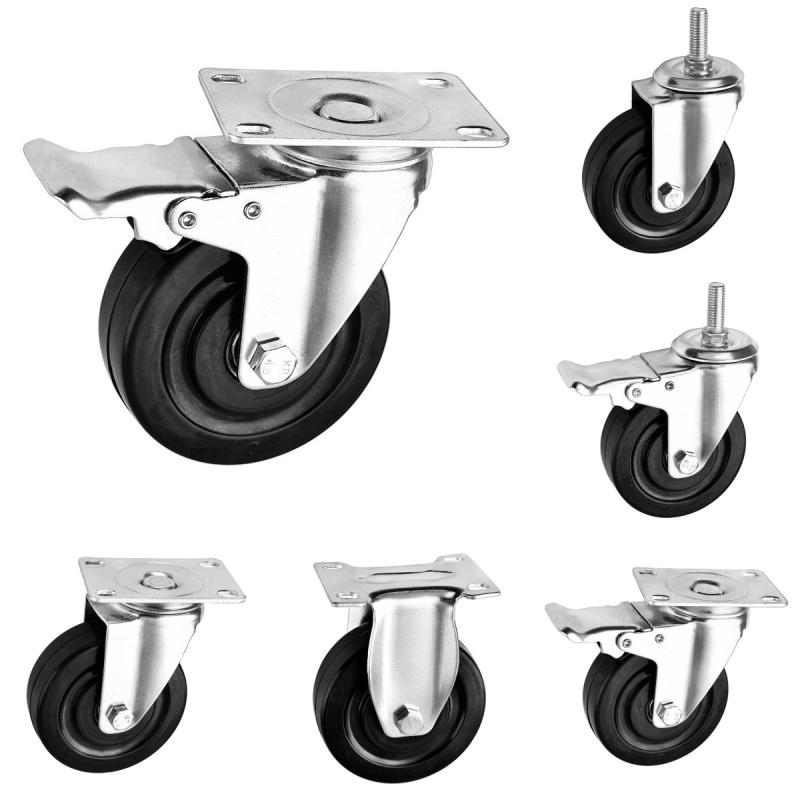
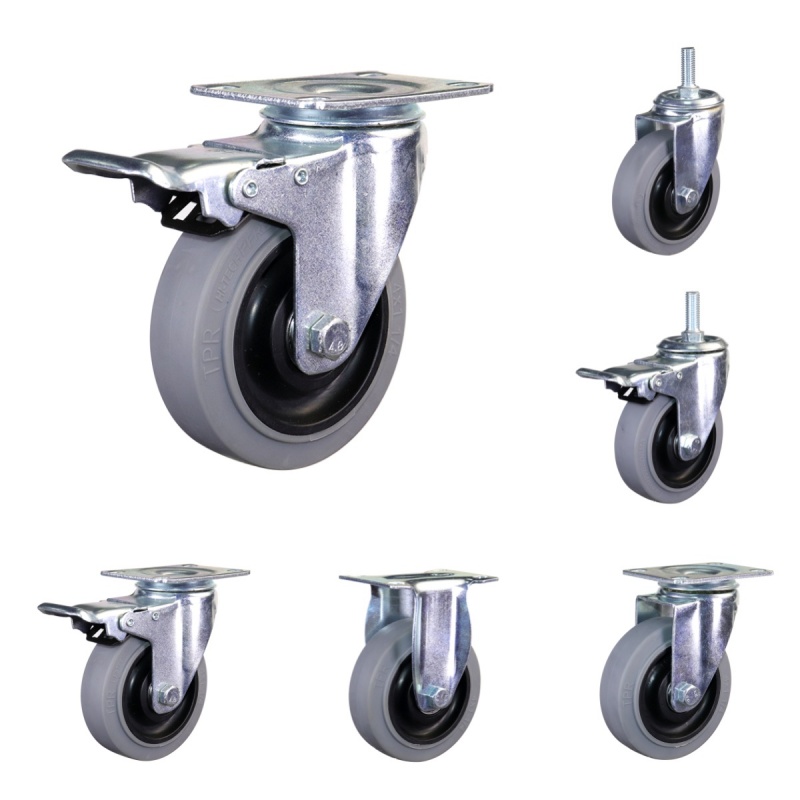
Industrial casters are wearable parts that require regular maintenance. Long-term lack of maintenance will lead to accumulated dust and impurities in the bearings, inflexible rotation, increased friction, and accelerated wear and tear. At the same time, loose screws and unbalanced installation will cause uneven force on single casters, resulting in excessive local pressure and premature breakage.
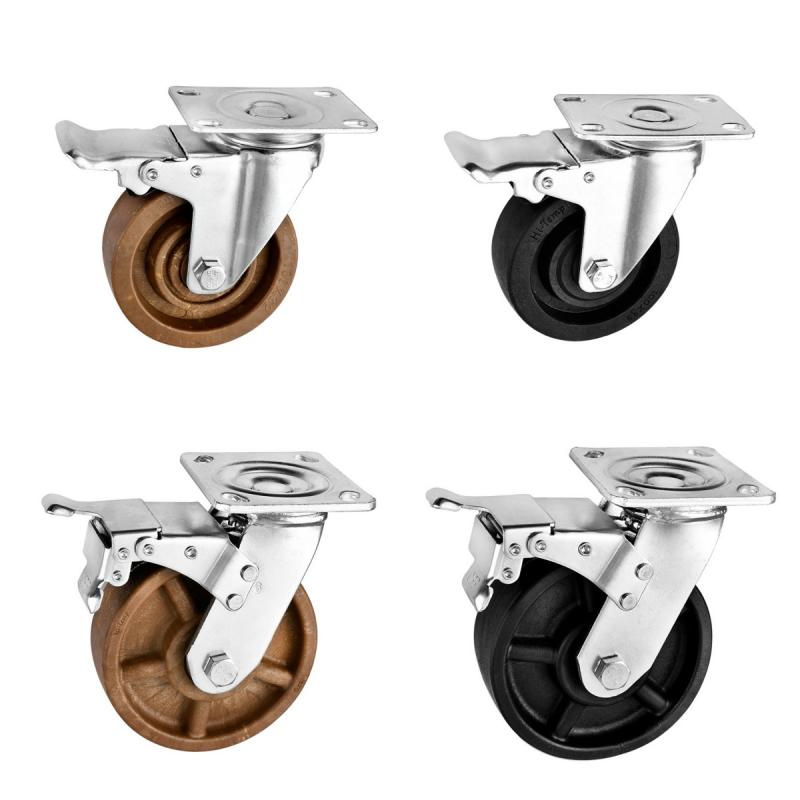
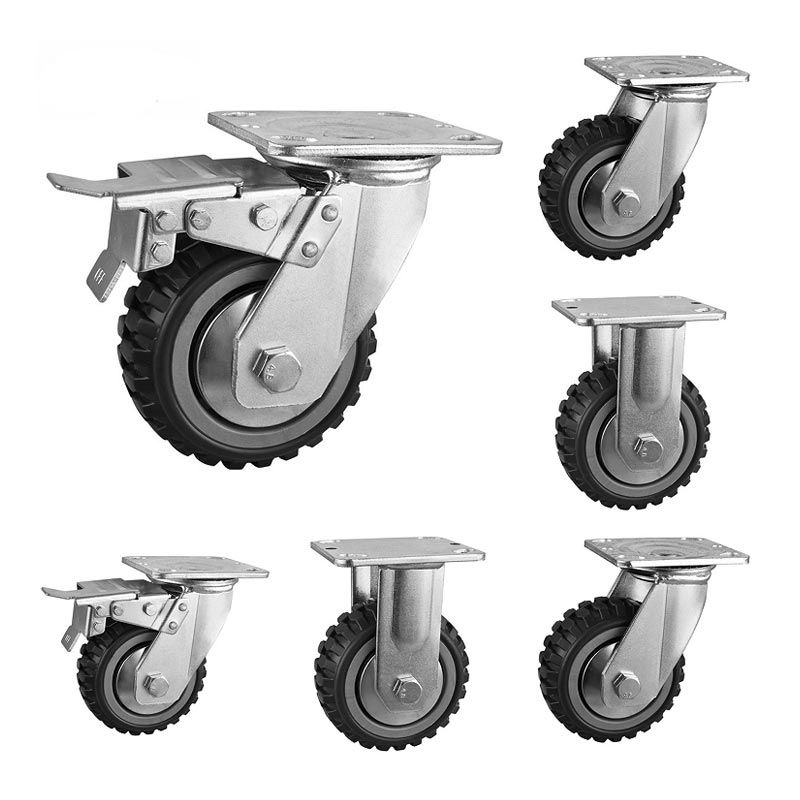
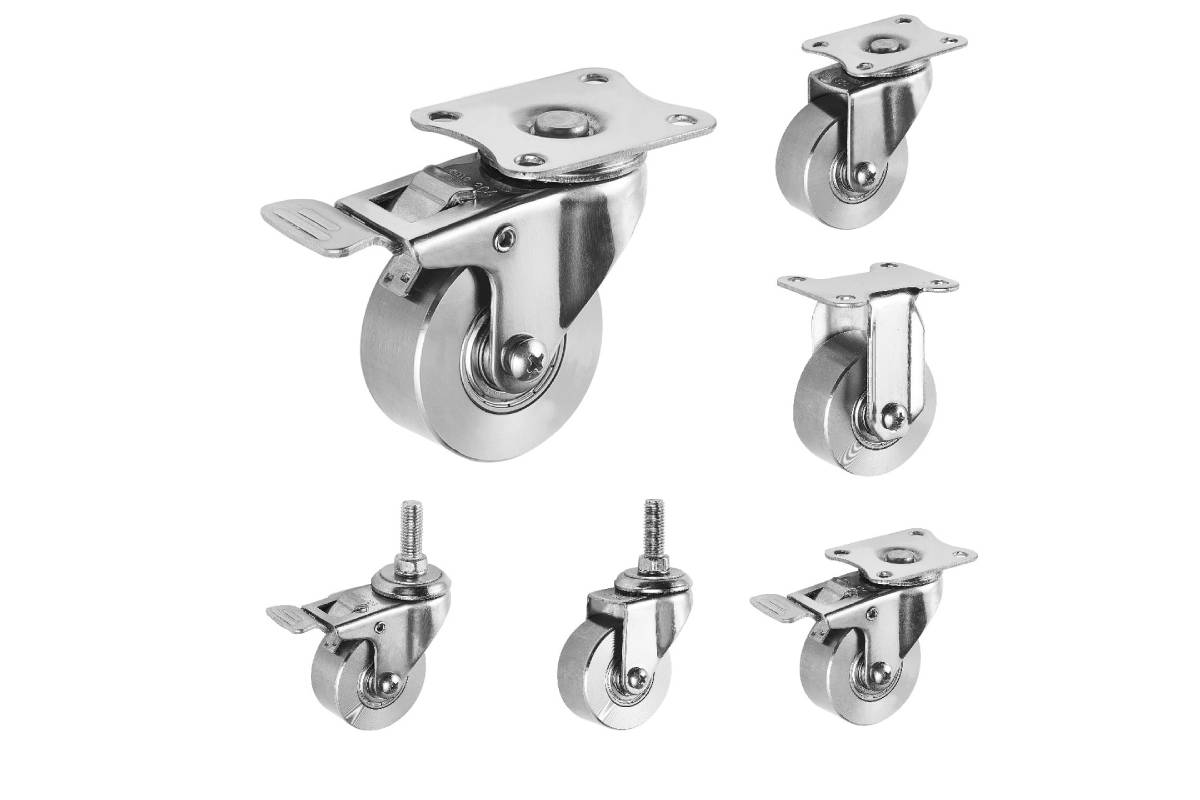
•Select matched casters: Choose reliable industrial casters tailored to actual load, working environment, and industry scenarios. CMCL Casters provides premium heavy-duty casters, anti-static casters, heat-resistant high temperature casters, and stainless steel casters, ensuring perfect performance matching various harsh working environments and eliminating breakage caused by model mismatch.
•Avoid overloading and violent operation: Strictly follow the rated load standard, avoid instantaneous impact and violent pushing and pulling, and operate equipment gently.
•Optimize the working environment: Regularly clean up ground sundries, keep the ground flat and clean, and use special protective casters for corrosive and high-temperature scenarios.
•Adhere to regular maintenance: Regularly clean bearing impurities, lubricate movable parts, and check screw tightness to ensure balanced and stable operation of each caster.
In short, casters break easily mainly due to overloading, improper operation, mismatched model selection, harsh environment, and lack of maintenance, rather than simple quality problems. Reasonable selection, standardized use, and scientific maintenance can greatly extend the service life of industrial casters, reduce replacement costs, and improve the efficiency of industrial handling work.
If you need high-quality, wear-resistant, and durable industrial casters suitable for different working scenarios, welcome to contact CMCL Casters. We offer professional selection guidance and factory direct quotation for heavy-duty casters, ESD casters, and high temperature casters to meet your industrial needs.