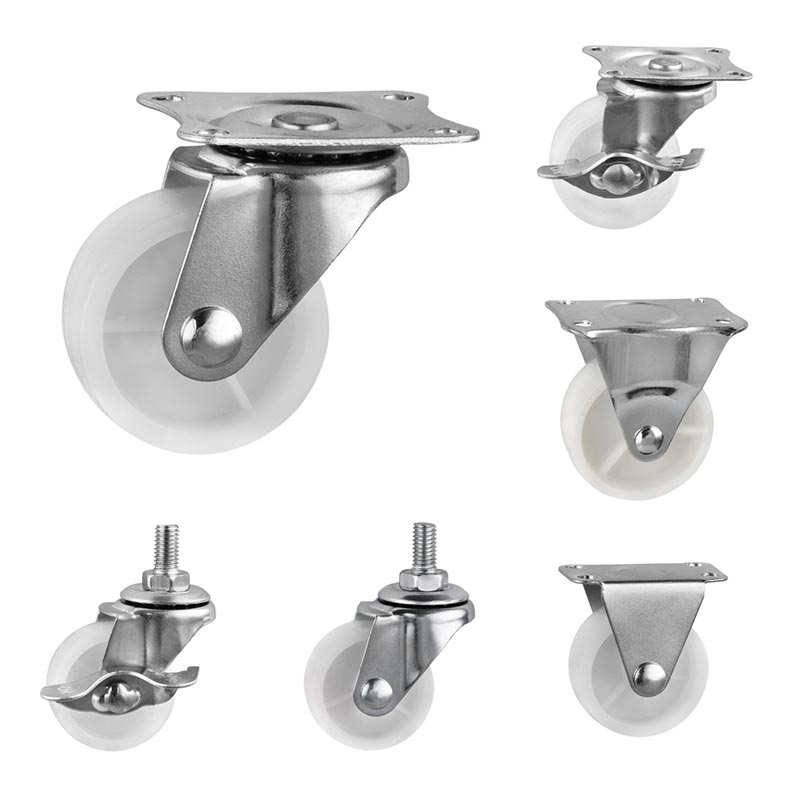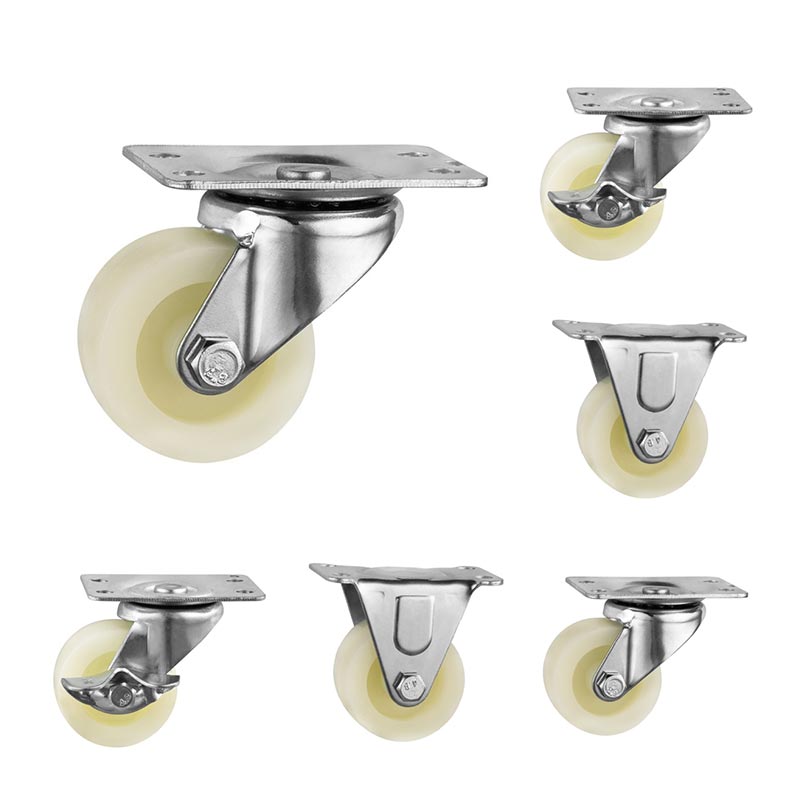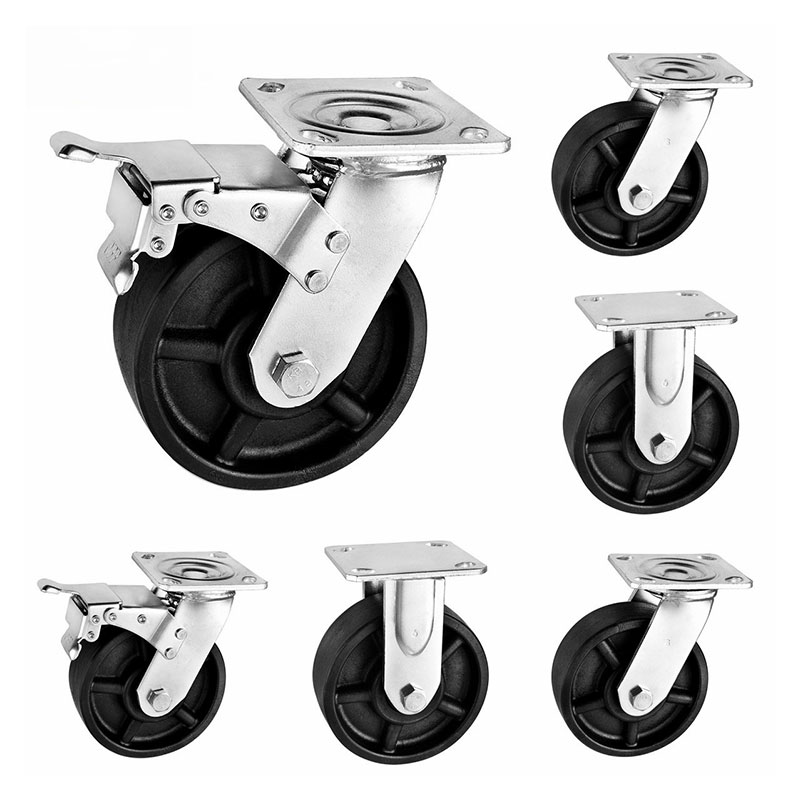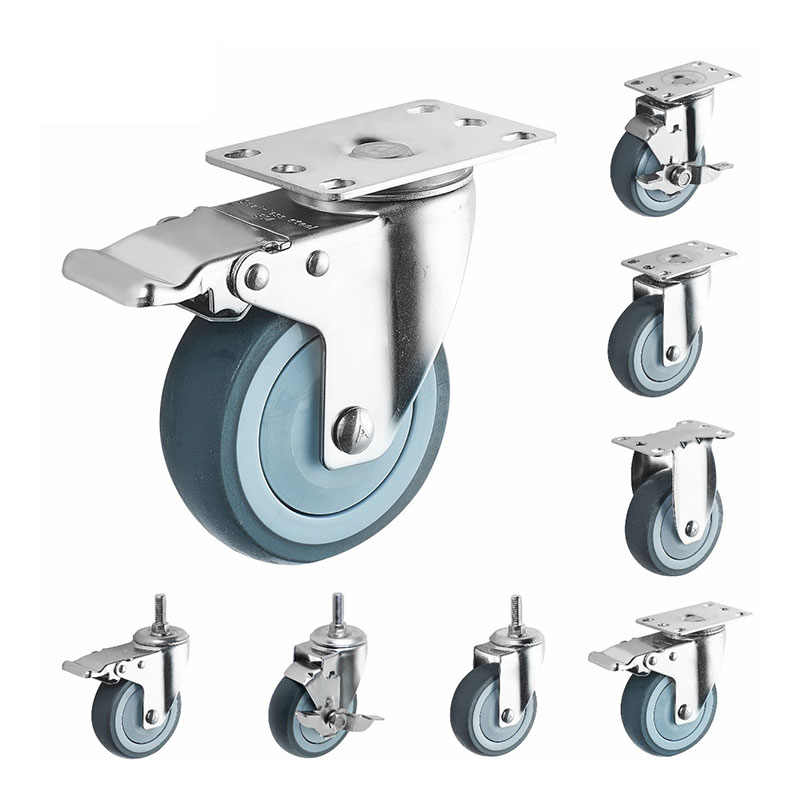

In modern manufacturing, mobility and stability are equally important. More factories are replacing fixed workstations with movable steel work benches to improve production flexibility, simplify equipment maintenance, and optimize workshop layouts. However, the performance of a mobile workbench depends largely on one often-overlooked component---its leveling casters.
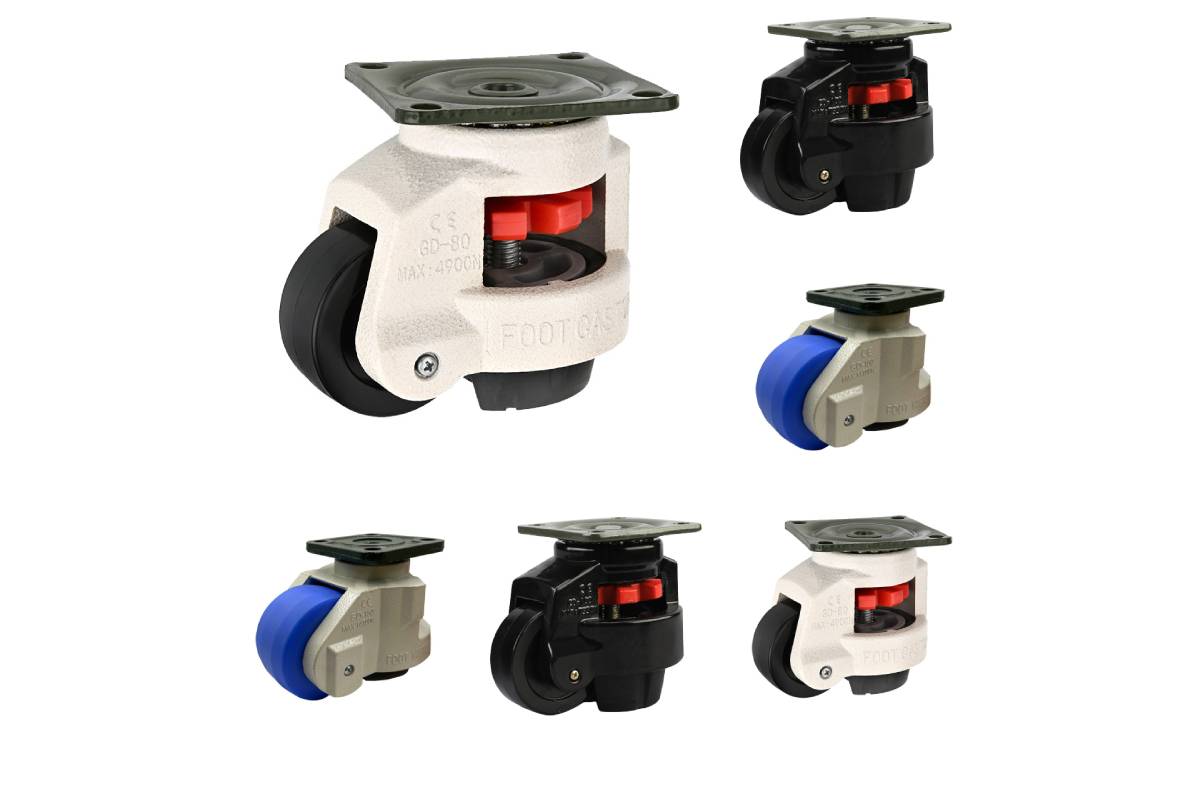
Unlike standard swivel casters, industrial leveling casters allow a Welding Workbench Table to roll smoothly when relocation is needed and then remain firmly supported once positioned. This combination helps reduce vibration, improve welding accuracy, and extend the service life of both the workbench and the equipment installed on it. Industry guidance consistently highlights correct load calculation, wheel material selection, and leveling mechanisms as the foundation of a reliable caster system.
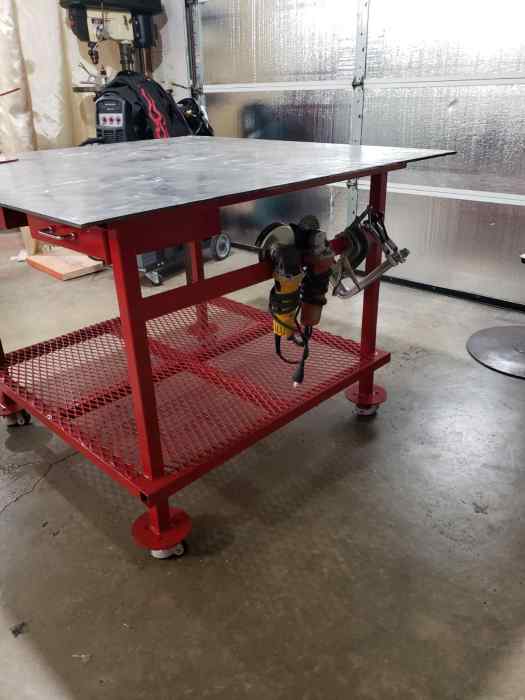
Many workshops install conventional heavy-duty casters simply because they have sufficient load ratings. While they make movement easier, they cannot eliminate the slight movement that occurs even after wheel brakes are applied.
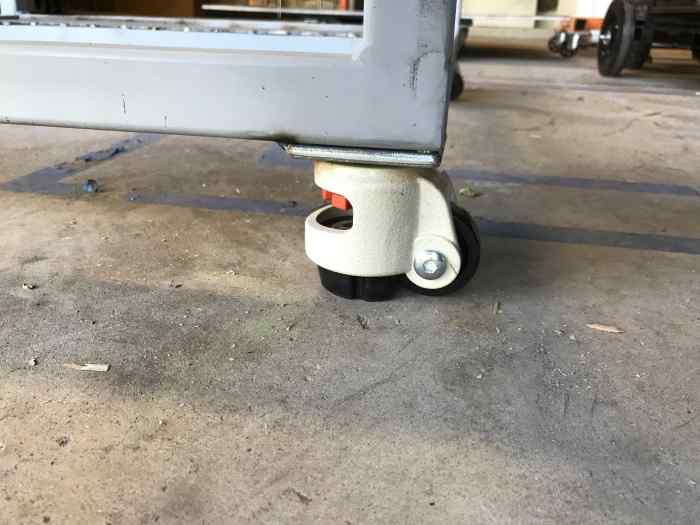
During welding, grinding, drilling, or precision assembly, even small vibrations may affect positioning accuracy and operator safety. A leveling caster solves this problem by transferring the equipment weight from the wheel to an adjustable leveling foot after positioning, creating a stable working platform while keeping the option to move the bench whenever required.
Load capacity should always be the first consideration.
Instead of dividing the total workbench weight by four wheels, many engineering guides recommend dividing by three, since uneven workshop floors often leave one caster carrying little or no load at any given moment. This method provides an additional safety margin for dynamic loads created during daily operation.
When estimating total weight, include:
Choosing industrial leveling casters with sufficient reserve capacity helps prevent wheel deformation, bracket fatigue, and premature bearing wear.
| Size | Dia x Width (mm) | Load Height (mm) | Plate Size (mm) | Hole Spacing (mm) | Load capacity (kg) |
|---|---|---|---|---|---|
| 40F | 38x19 | 70 | 55x55 | 42x42 | 50 |
| 60F | 50x25 | 82 | 73x73 | 58x58 | 250 |
| 80F | 60x26 | 102 | 90x90 | 70x70 | 500 |
| 100F | 75x29 | 120 | 95x95 | 70x70 | 750 |
| 120F | 75x29 | 120 | 95x95 | 70x70 | 1000 |
| 150F | 94x54 | 135 | 100x100 | 70x70 | 1500 |
Different production environments require different wheel materials.
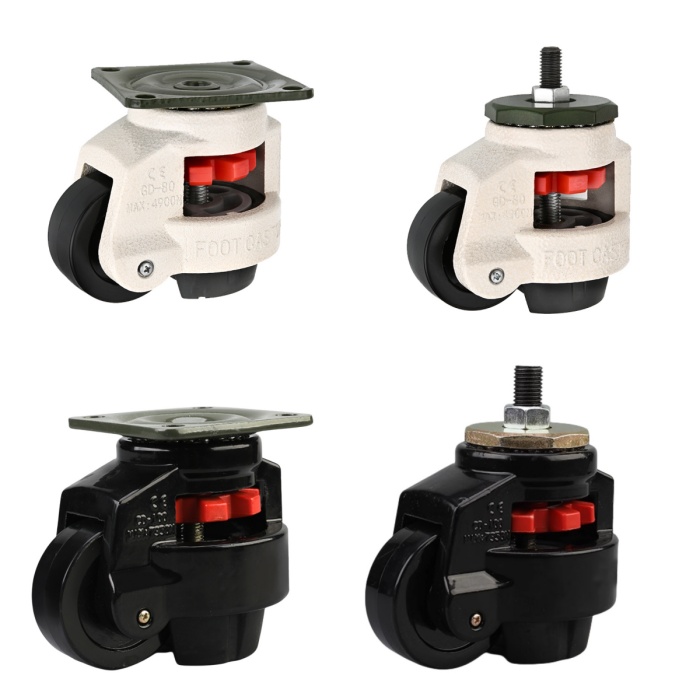
For welding workshops, nylon and polyurethane wheels are often preferred because they provide excellent wear resistance and support heavy loads while resisting oil and industrial contaminants. Larger wheel diameters also improve mobility by rolling more easily over expansion joints, debris, and uneven concrete floors.
When selecting wheel materials, consider:
Matching wheel material to the actual environment significantly improves caster lifespan.
The biggest advantage of industrial leveling casters is their dual-function design.
After moving the workbench into position, operators simply lower the leveling pad until it contacts the floor. As the adjustable foot lifts the wheel slightly off the ground, the workbench becomes stable and resistant to unwanted movement.
This design is particularly valuable for:
Accurate leveling also helps compensate for uneven workshop floors without modifying the workbench itself.
Not every caster fits every workbench.
Before ordering, verify:
For heavy steel work benches, thick steel top-plate mounting combined with high-strength fasteners generally offers greater structural rigidity than lighter mounting methods. Sealed bearings are also recommended to reduce maintenance in dusty industrial environments.
Workshop layouts differ considerably.
Production lines that frequently change equipment locations benefit from swivel leveling casters that offer 360-degree maneuverability. Meanwhile, fixed fabrication stations may prioritize higher load ratings and maximum stability over frequent movement.
A practical configuration should balance:
Choosing the right configuration improves workflow efficiency while reducing unnecessary manual handling.
As manufacturing facilities continue adopting lean production methods and flexible work cells, equipment mobility has become an important productivity factor. Leveling casters provide a practical solution by combining transportation and stable positioning into one compact system.
Compared with traditional caster systems, properly selected leveling casters help reduce vibration, improve equipment stability, simplify workstation relocation, and minimize long-term maintenance costs.
For workshops that regularly reposition steel work benches or welding workbench tables, investing in industrial-grade leveling casters is a practical way to improve both operational efficiency and workplace safety.
At CMCL Casters, we continue to help industrial customers worldwide select leveling caster solutions tailored to their equipment, working environments, and production requirements. By combining engineering expertise with reliable manufacturing, we aim to provide industrial caster systems that support safer, more efficient, and more productive workshops.