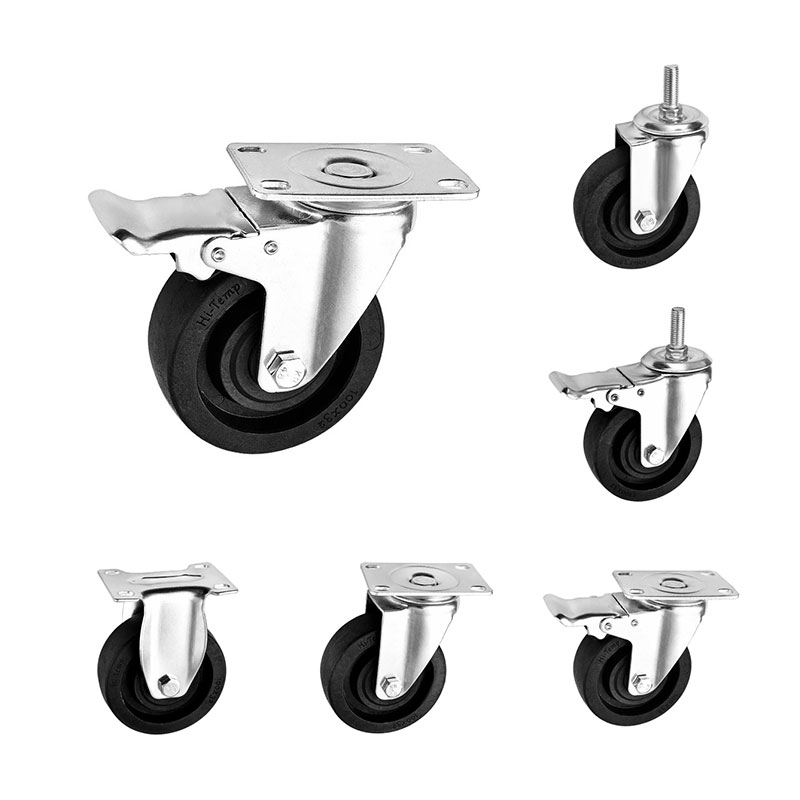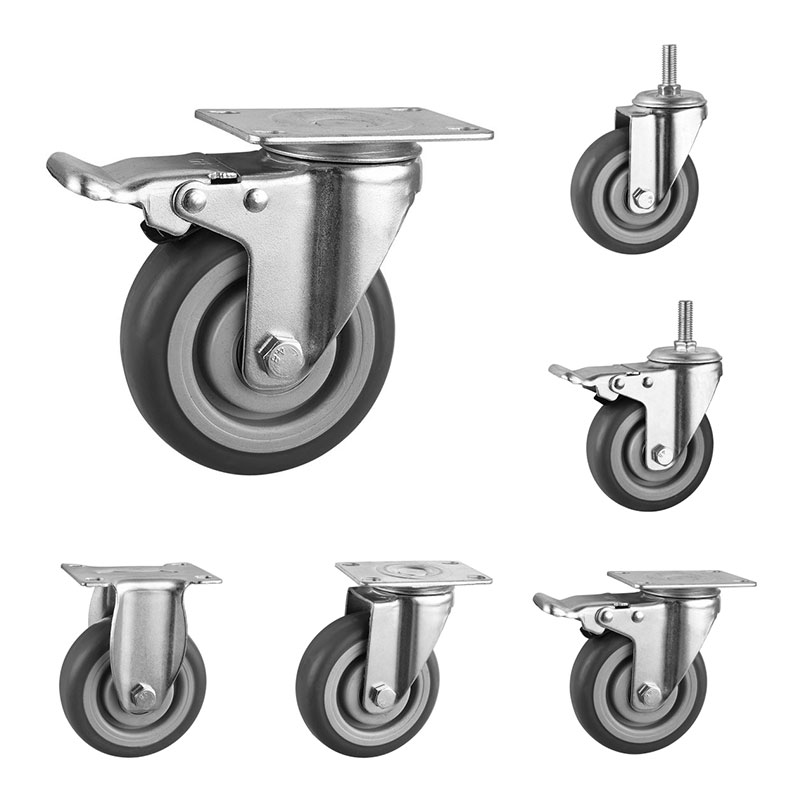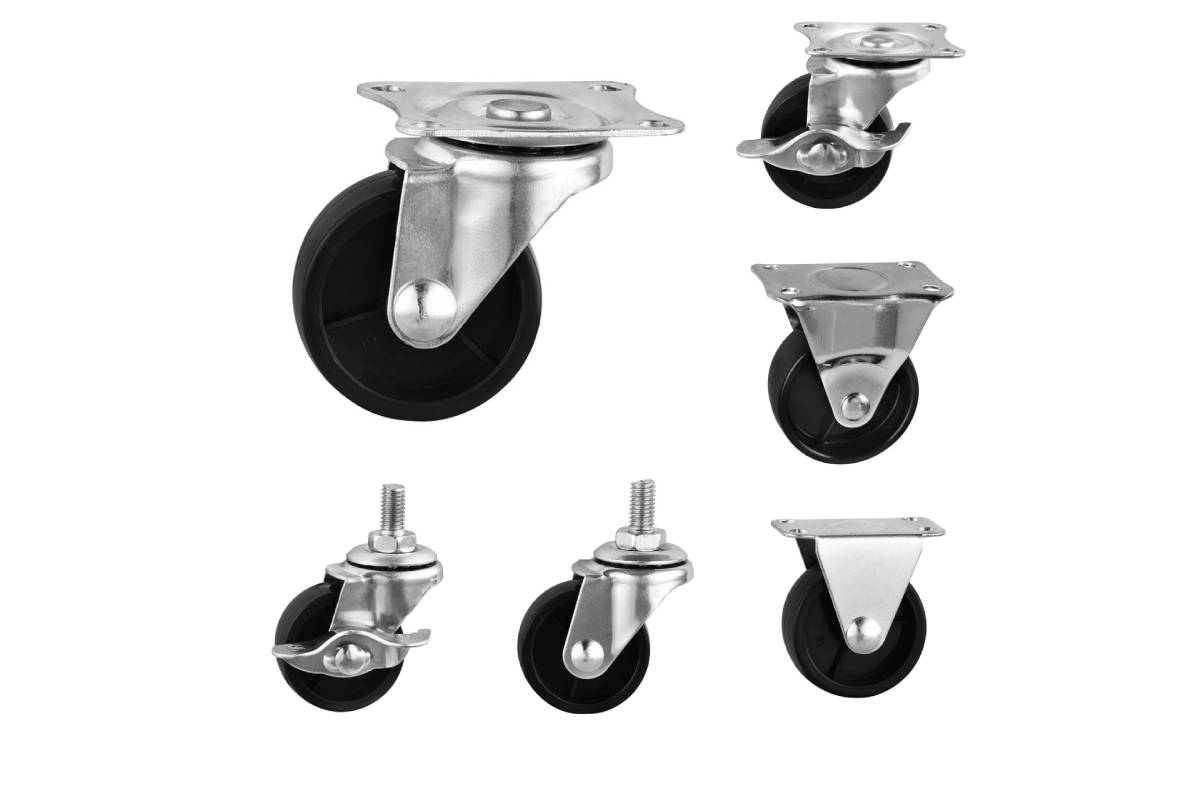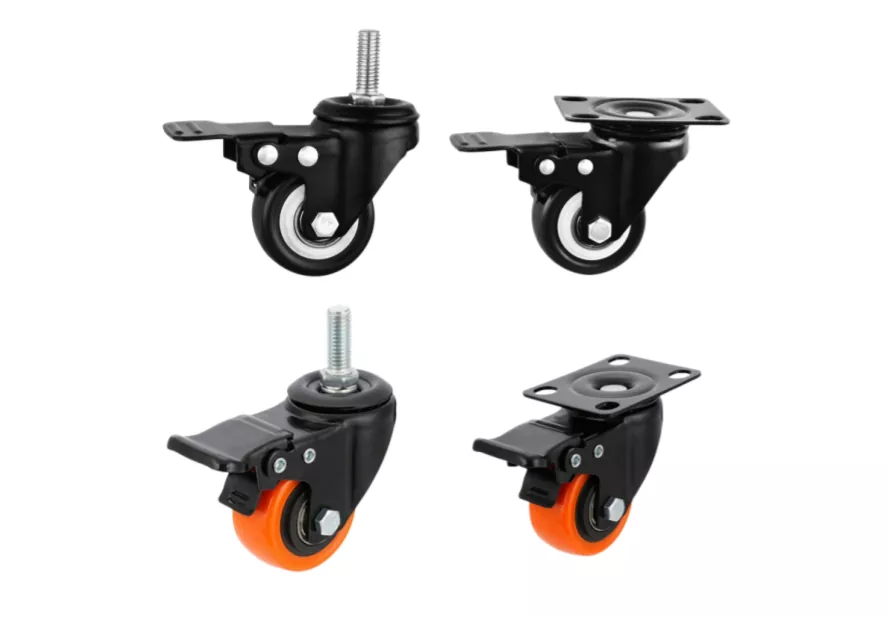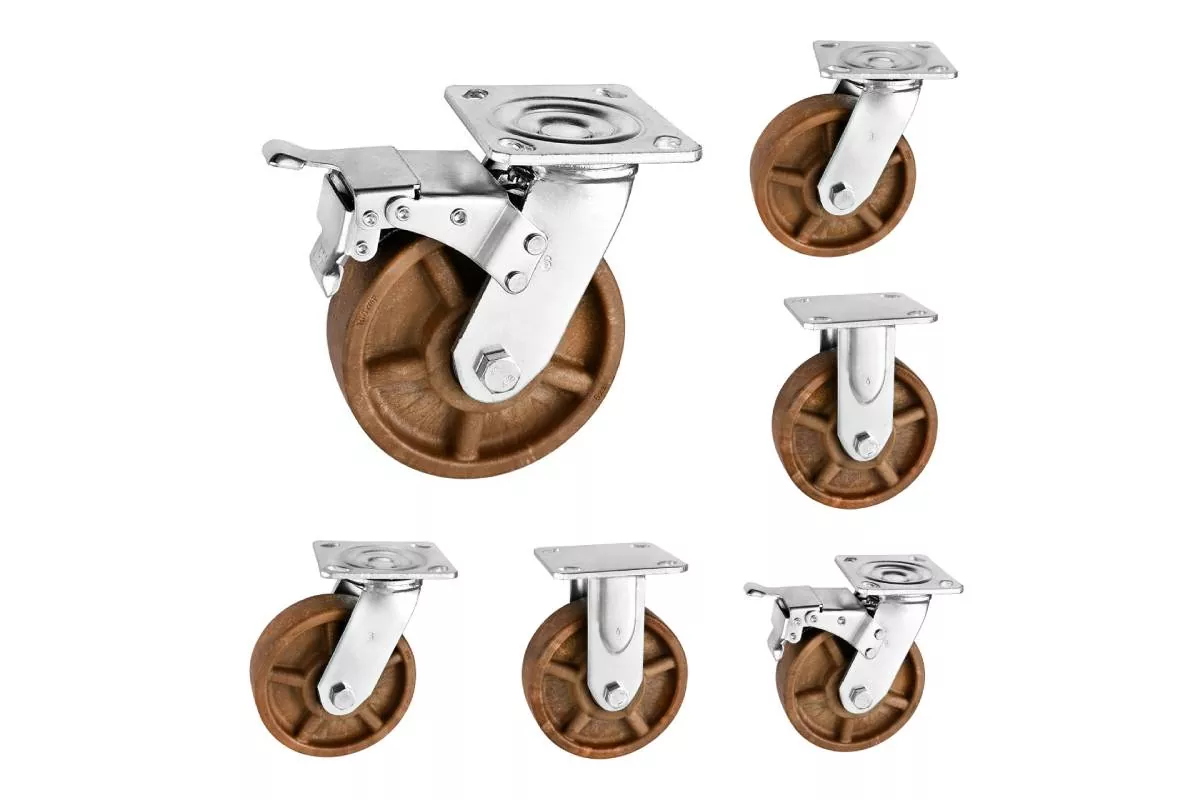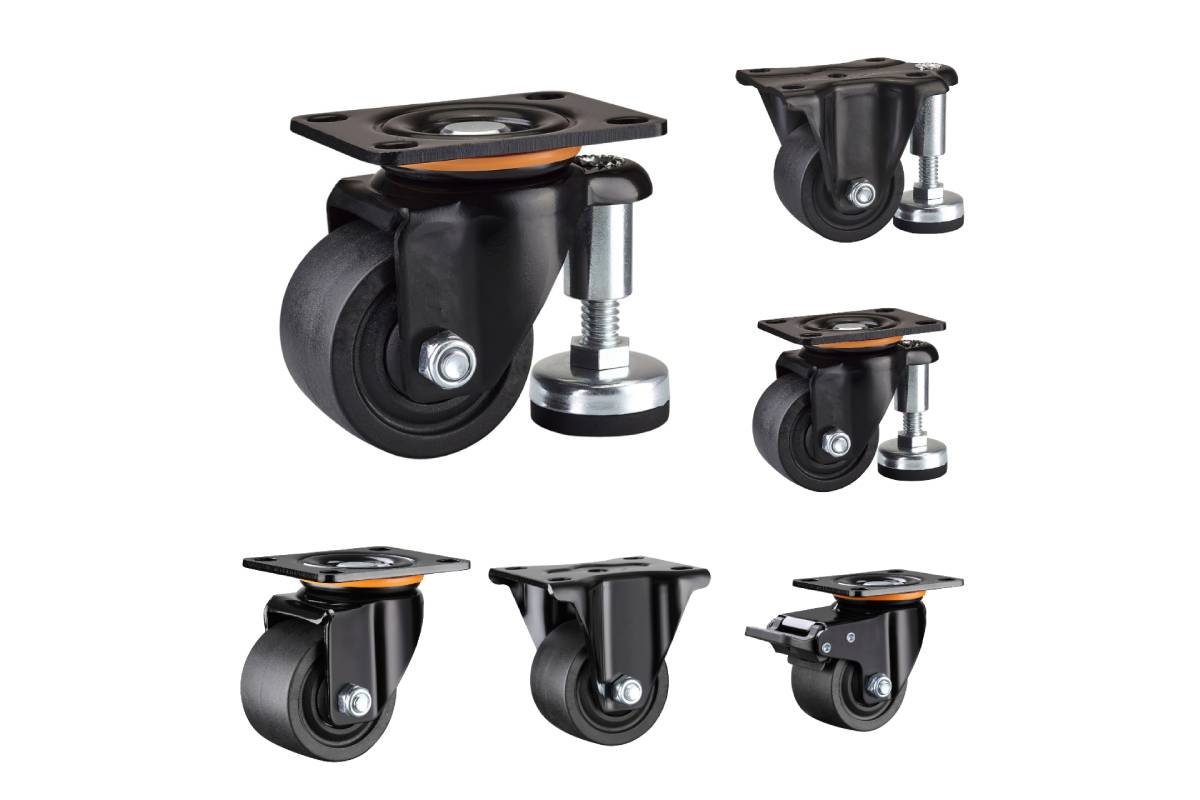

At CMCL®, a professional industrial casters manufacturer, we've helped customers diagnose and solve caster performance issues across warehouses, factories, hospitals and production facilities worldwide. Based on engineering experience and field feedback from customers worldwide, we've found that most stuck trolley casters bearings are not caused by manufacturing defects. Instead, they result from improper maintenance, harsh operating environments, excessive loads, or selecting the wrong caster for the application.
This guide explains the most common reasons trolley caster bearings become stuck, how to identify the root cause, and what you can do to keep your equipment rolling smoothly while extending caster service life.
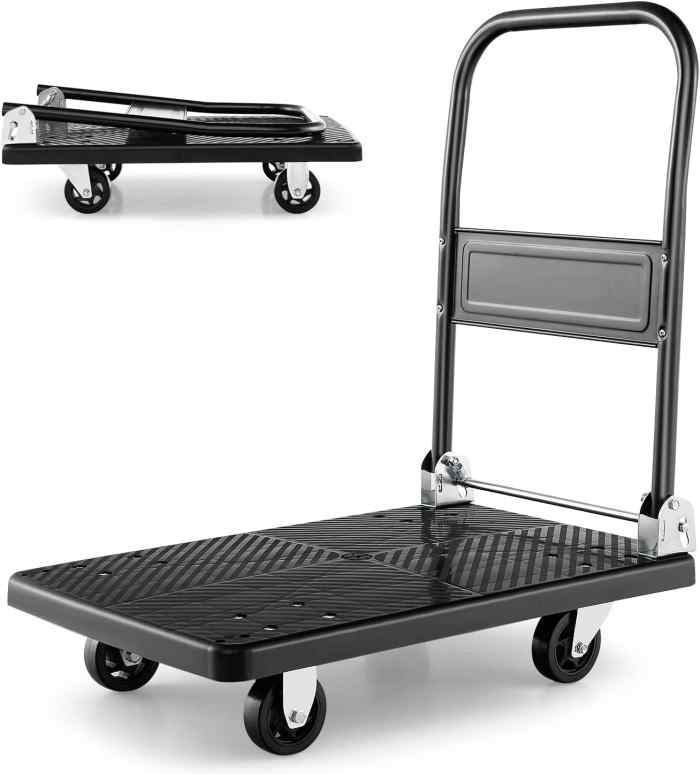
A caster bearing is one of the most important components of an industrial caster, allowing the wheel to rotate smoothly under load while minimizing rolling resistance. When the bearing becomes contaminated, damaged, or overheated, the rolling elements inside the bearing can no longer move freely. As friction increases, the wheel gradually becomes harder to rotate until it partially or completely locks.
Unlike a swivel bearing problem, which affects steering, bearing seizure only prevents the wheel from rolling.
Common symptoms include:
● The trolley requires noticeably more force to push.
● Grinding, squealing, or metallic noises occur during movement.
● One wheel suddenly stops rotating while the trolley is still being pushed.
● The wheel hub feels unusually hot after a short period of operation.
● Disassembled bearings show rust, pitting, scoring, or damaged bearing cages.
Ignoring these warning signs can increase rolling resistance, accelerate wheel wear, and even create workplace safety risks when transporting heavy loads.
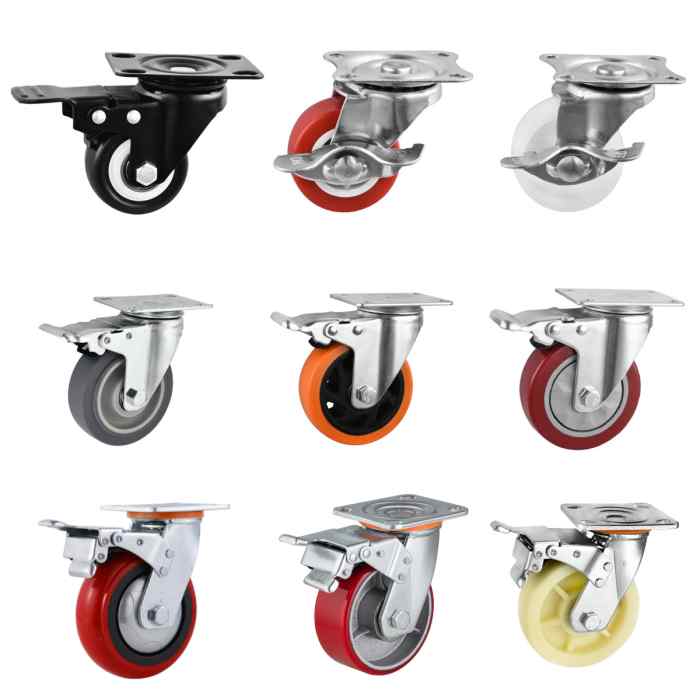
1. Dirt and Debris Enter the Bearing
Contamination is one of the leading causes of bearing seizure.
Industrial environments often contain dust, metal chips, sand, wood particles, packaging debris, or food residues. Over time, these contaminants can penetrate damaged bearing seals or enter open bearings, becoming trapped between the bearing balls and raceways.
Instead of rolling smoothly, the bearing begins grinding against abrasive particles. Continued operation quickly damages the bearing surfaces and may eventually cause the wheel to lock completely.
This issue is especially common in:
● Manufacturing plants
● Machine shops
● Construction sites
● Agricultural facilities
● Warehouses with loose debris
Typical warning signs include rough wheel rotation, grinding noises, and visible dirt accumulating around the wheel hub.
2. Lubrication Breakdown
Proper lubrication separates metal contact surfaces inside the bearing and reduces friction during operation. When lubrication fails, heat builds rapidly and bearing damage accelerates.
Several situations commonly lead to lubrication failure:
● Grease dries out after long periods of continuous service.
● Damaged bearing seals allow grease to leak while moisture enters the bearing.
● Incorrect lubricant is used for extremely high or low operating temperatures.
● Water or cleaning chemicals contaminate the grease, reducing its lubricating properties.
We've seen this problem frequently in cold-storage facilities, commercial kitchens, food processing plants, and high temperature production lines where standard grease cannot withstand the operating environment.
Routine lubrication using grease matched to the actual working conditions is one of the simplest and most effective ways to extend bearing life.
3. Overloading and Impact Damage
Every caster is designed with a specific dynamic load capacity. When a trolley consistently carries loads beyond that rating, excessive pressure gradually damages the bearing components.
Long-term overloading creates permanent indentations in the bearing raceways, while repeated impacts—such as rolling over curbs, dock plates, expansion joints, or uneven flooring—can crack bearing cages or force the rolling elements out of alignment.
Even if the caster continues operating initially, these internal defects increase friction and often lead to sudden bearing seizure after weeks or months of use.
To maximize service life, the actual working load should always remain within the caster's rated dynamic capacity, with an additional safety margin for applications involving frequent impacts or continuous operation.
4. Incorrect Installation or Axle Misalignment
Not every seized bearing is caused by wear. Improper installation can also prevent a bearing from rotating freely.
Common installation mistakes include:
● Over-tightening the axle bolt, which compresses the bearing and eliminates the necessary internal clearance.
● Bent axles that create uneven pressure during wheel rotation.
● Damaged caster forks that force the wheel to rotate off-center.
● Loose hardware that allows excessive wheel wobble and uneven wear.
At CMCL® Casters, we've found that incorrect installation is often overlooked during routine maintenance, yet it remains one of the most preventable causes of premature bearing failure.
Whenever a caster is replaced, it's important to follow the manufacturer's recommended installation procedure and tightening torque to ensure smooth operation.
5. Corrosion and Extreme Operating Temperatures
Harsh environments significantly reduce bearing life if the wrong materials are used.
Moisture, cleaning chemicals, salt spray, and corrosive substances can attack standard carbon steel bearings, producing rust that interferes with smooth rolling.
High operating temperatures present another challenge. As bearing components expand under heat, internal clearance decreases. If temperatures continue rising, the bearing may eventually experience thermal seizure even without contamination.
Industries that commonly face these conditions include:
● Food processing
● Pharmaceutical manufacturing
● Marine equipment
● Chemical plants
● Bakeries
● Hospital sterilization facilities
For these applications, stainless steel bearings combined with application-specific lubricants offer significantly better long-term reliability.
6. Natural Bearing Wear
Even under ideal operating conditions, bearings have a finite service life.
After thousands of operating cycles, normal fatigue gradually causes surface pitting, spalling, cage wear, and material degradation. As these defects accumulate, the rolling elements lose alignment and eventually jam during operation.
Unlike contamination or lubrication issues, fatigue wear cannot be repaired through cleaning or re-greasing. Once significant internal damage appears, replacing the bearing—or the complete caster assembly—is usually the safest and most cost-effective solution.
Preventive replacement before complete failure can also reduce unexpected downtime and improve workplace safety.