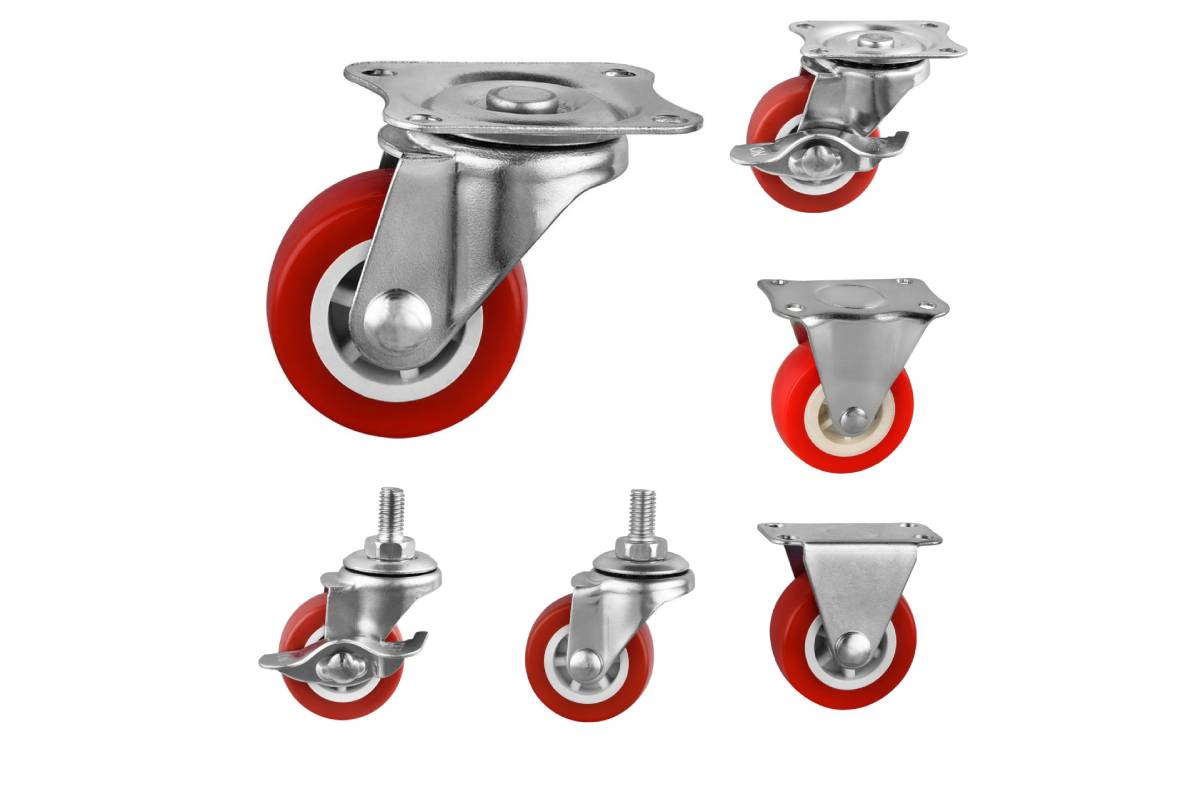

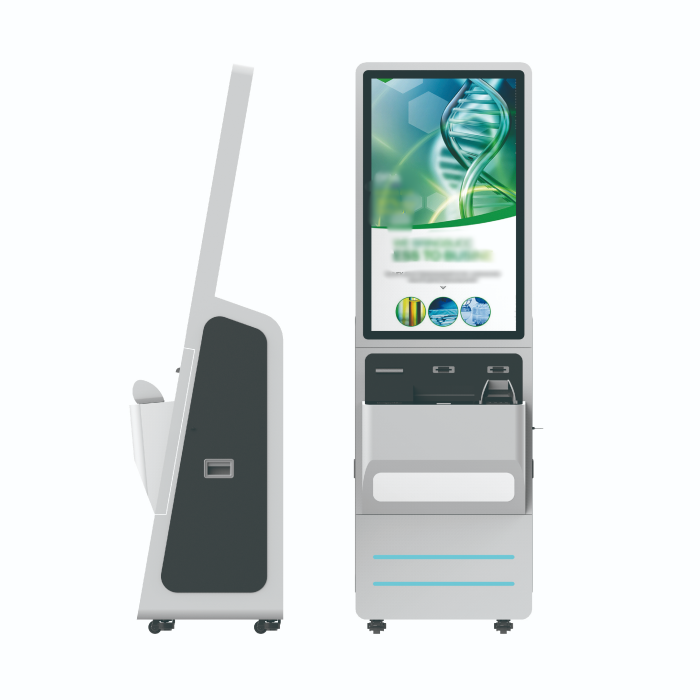
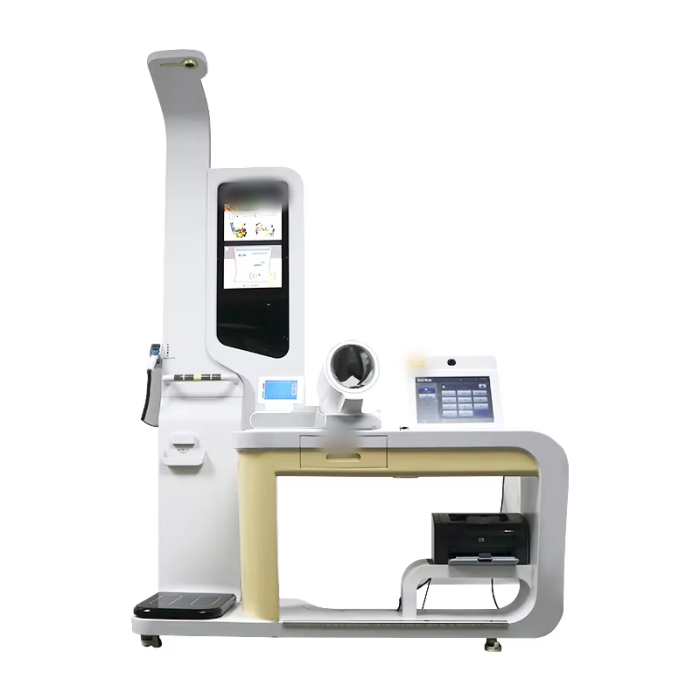
Hospital self-service kiosks—such as patient registration terminals, health screening stations, and automated payment systems—have become a standard part of modern healthcare infrastructure.
These devices are expected to perform two conflicting functions at the same time:
● Move easily during hospital layout adjustments
● Remain completely stable during patient interaction and medical testing
In real hospital environments, this balance is difficult to achieve with standard industrial wheels.
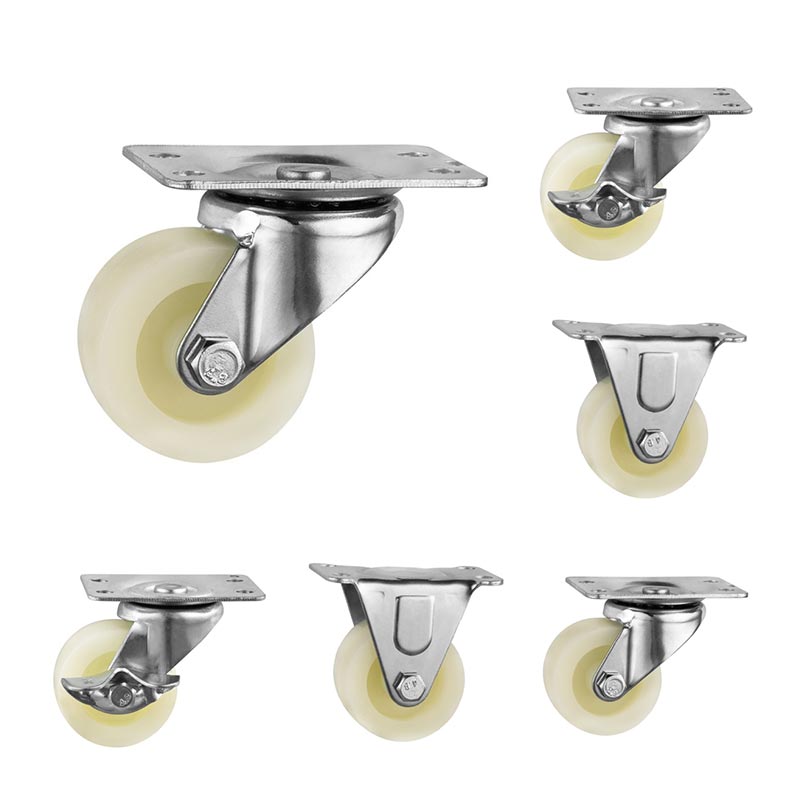
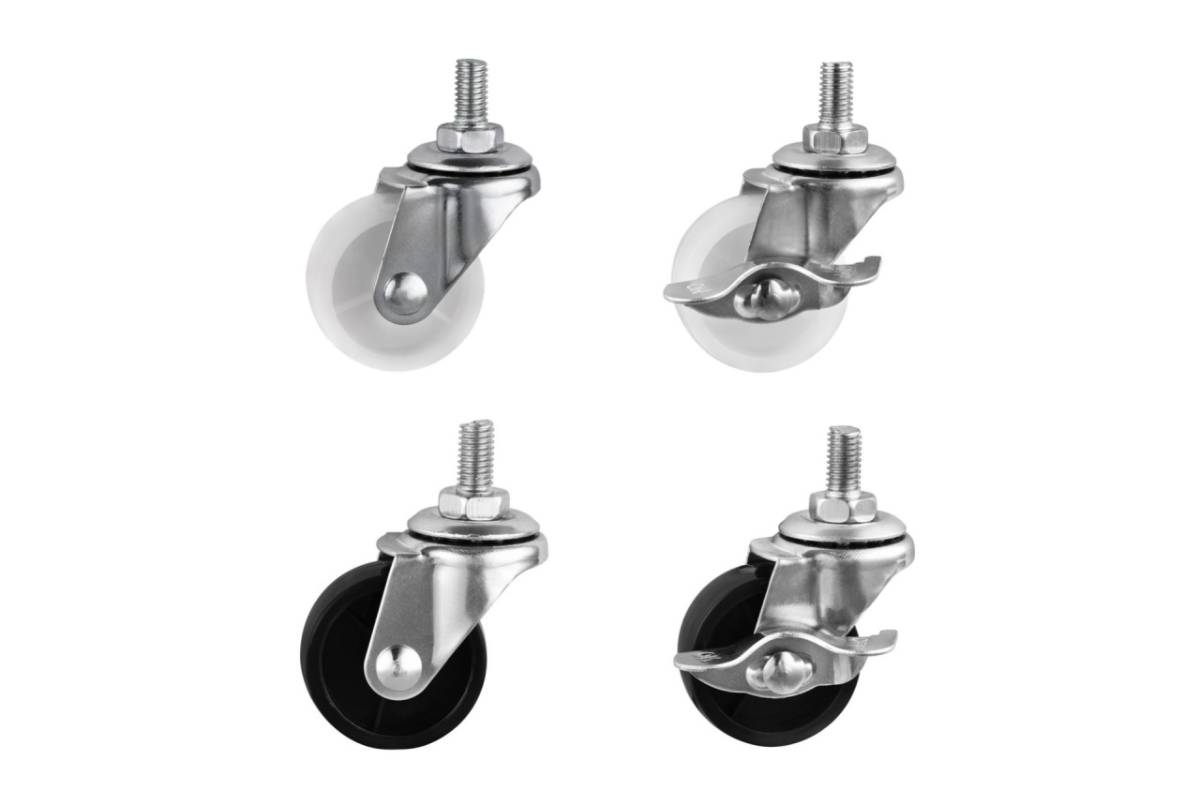
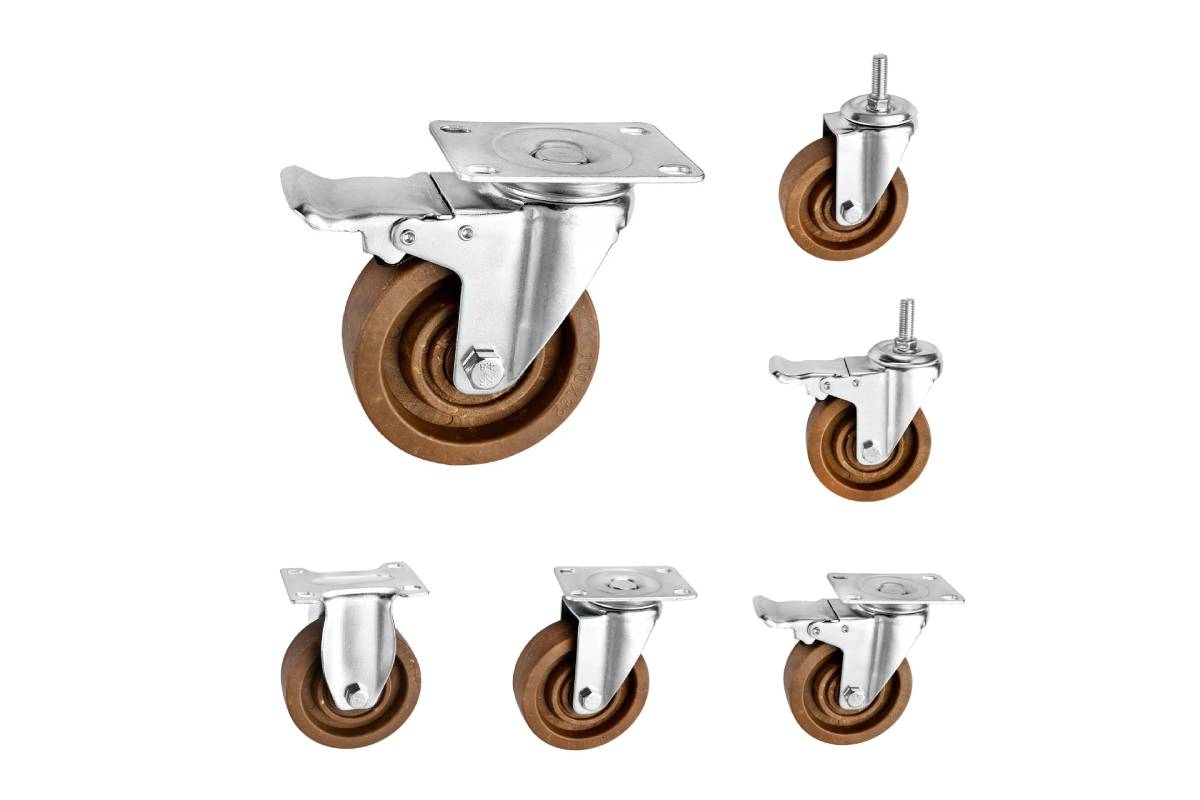
That is why more medical equipment manufacturers are switching to adjustable leveling casters designed specifically for healthcare-grade stability requirements.
Hospitals are not controlled environments. Floors are often slightly uneven due to long-term use, cleaning cycles, and building expansion joints. In addition, equipment must withstand frequent chemical disinfection.
Traditional caster wheels typically fail in three critical ways:
1. Micro-vibration affects medical accuracy
Even slight rolling instability can cause:
● Screen shaking during touchscreen operation
● Measurement deviation in health screening devices
● User input errors during self-service registration
For diagnostic or semi-diagnostic kiosks, this becomes a functional risk rather than a comfort issue.
2. Noise disrupts patient experience
Standard wheels often generate:
● High-frequency rolling noise on tile or epoxy floors
● Vibration resonance in quiet hospital corridors
In waiting areas, this creates unnecessary stress for patients.
3. Surface degradation under disinfection
Hospital equipment is frequently cleaned using:
● Alcohol-based disinfectants
● Quaternary ammonium compounds
● Chlorine-based cleaning agents
Over time, standard caster materials may:
● Harden or crack
● Lose smooth rolling performance
● Leave marks on floors
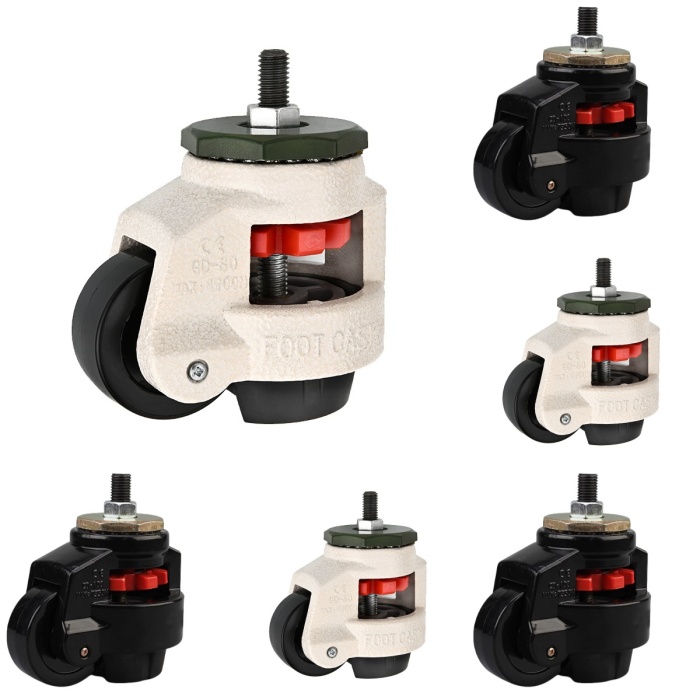
CMCL® swivel leveling casters are designed to solve the structural conflict between mobility and static stability in medical environments.
The system combines two functional states in one unit:
Mobile mode
The wheel remains in contact with the floor, allowing:
● Easy repositioning of kiosks
● Flexible hospital layout changes
● Maintenance movement of heavy equipment
Stabilized mode
A retractable leveling foot is lowered to:
● Lift wheels off the ground
● Eliminate micro-movement completely
● Create a rigid, vibration-free operating platform
This design ensures that once the kiosk is in position, it behaves like fixed equipment.
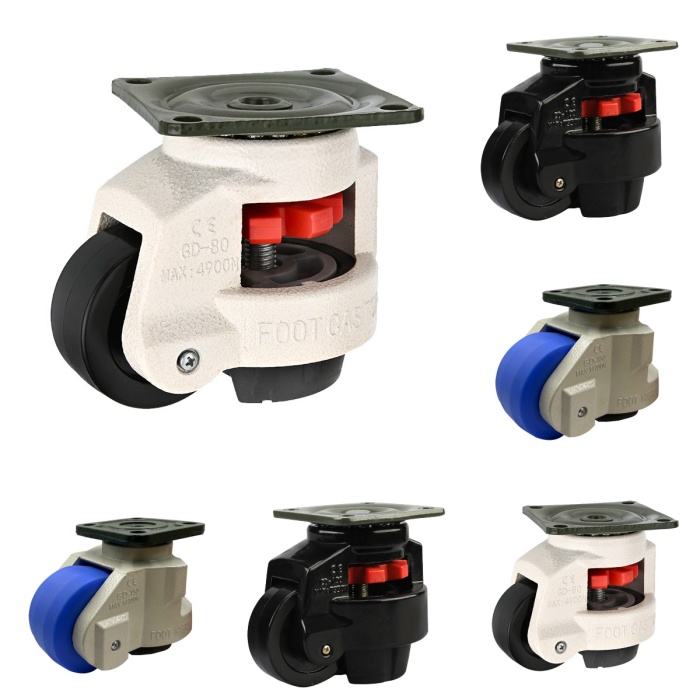
Unlike general industrial casters, CMCL leveling caster systems are widely used in medical equipment applications where stability, hygiene, and quiet operation are important considerations.
They are commonly selected for hospital environments that require:
Quiet rolling performance for low-noise medical spaces
Non-marking wheel materials to help protect hospital flooring surfaces
Resistance to frequent cleaning and chemical disinfection processes
Stable load support for electronic medical and self-service equipment
Wheel configurations such as Nylon 6 combined with carbon steel core structures help maintain a balance between durability and smooth rolling performance, particularly on tile and epoxy-coated hospital floors commonly found in healthcare facilities.
CMCL leveling casters are available in 6 standard configurations (40F–150F), covering a wide range of hospital equipment requirements:
● Lightweight self-service health screening kiosks
● Patient registration and billing terminals
● Mobile diagnostic and imaging devices
● Medical carts and laboratory instruments
● Heavy multifunction hospital equipment systems
Load capacity ranges from 50 kg up to 1500 kg per set, allowing both compact and heavy-duty applications to use a unified leveling system design.
These leveling casters are commonly used in:
● Hospital self-service check-in kiosks
● Health monitoring and screening stations
● Mobile diagnostic devices
● Laboratory and treatment carts
● Pharmacy dispensing systems
● Administrative and billing terminals
In all of these applications, equipment stability directly affects user safety, data accuracy, and operational efficiency.
For OEMs, hospital equipment suppliers, and system integrators, the selection of caster systems is not only about mobility—it is part of the equipment's structural design.
CMCL provides:
● OEM/ODM customization support
● Engineering-based load and size selection
● Bulk supply for medical device production
● Application-specific caster matching guidance
Instead of using one universal wheel, manufacturers increasingly select application-matched leveling systems based on device weight, usage frequency, and installation environment.
Hospital self-service systems require more than mobility—they require controlled stability during operation.
CMCL leveling casters are engineered to bridge this gap by combining movement flexibility with fixed-position rigidity, ensuring consistent performance across diverse hospital environments.
If you are developing or sourcing hospital kiosks or medical equipment systems, CMCL can provide technical specifications and application-based recommendations for your project.