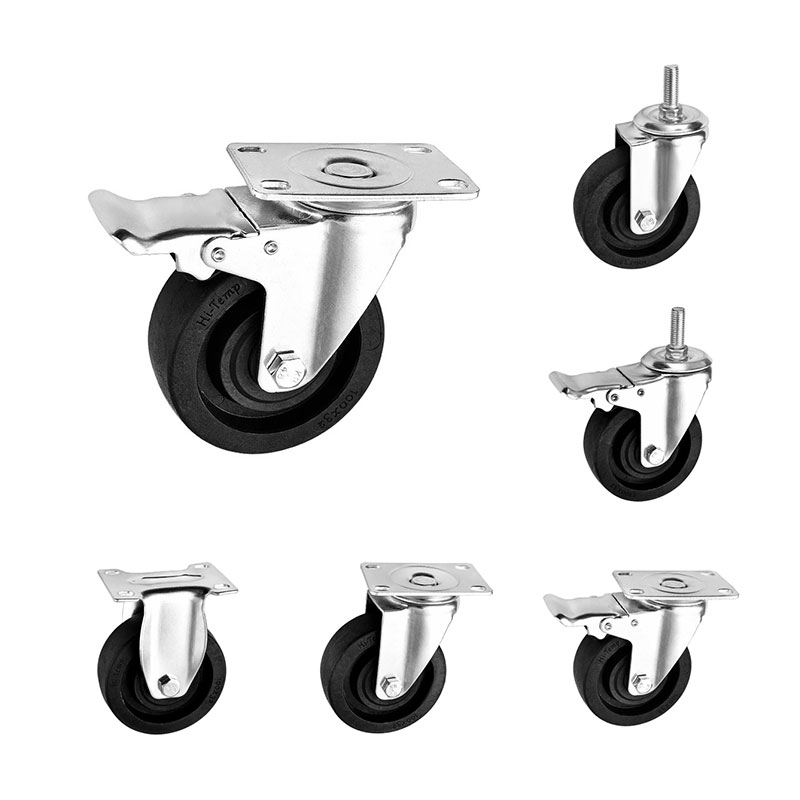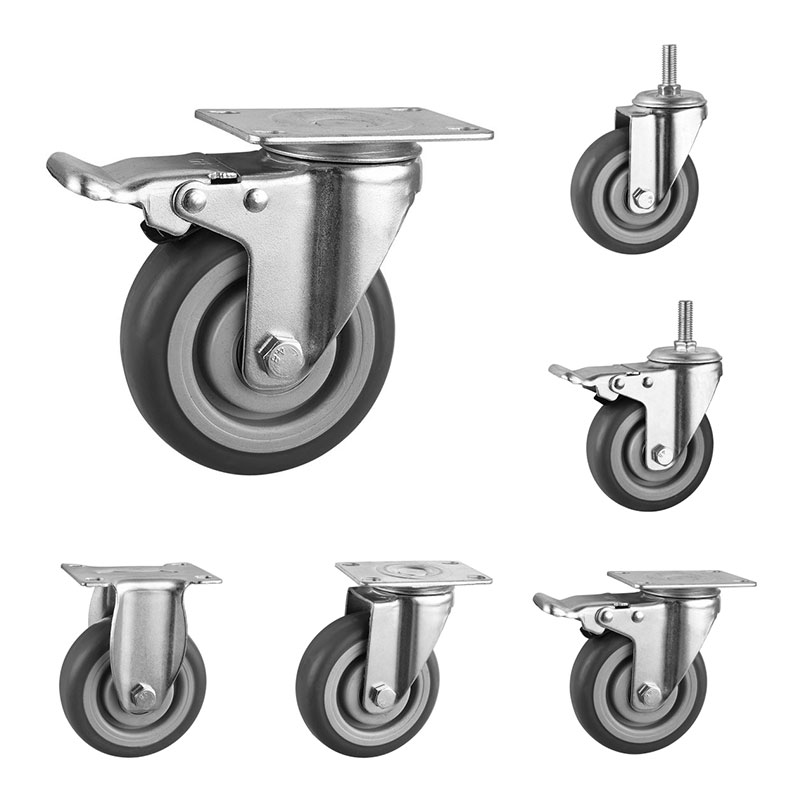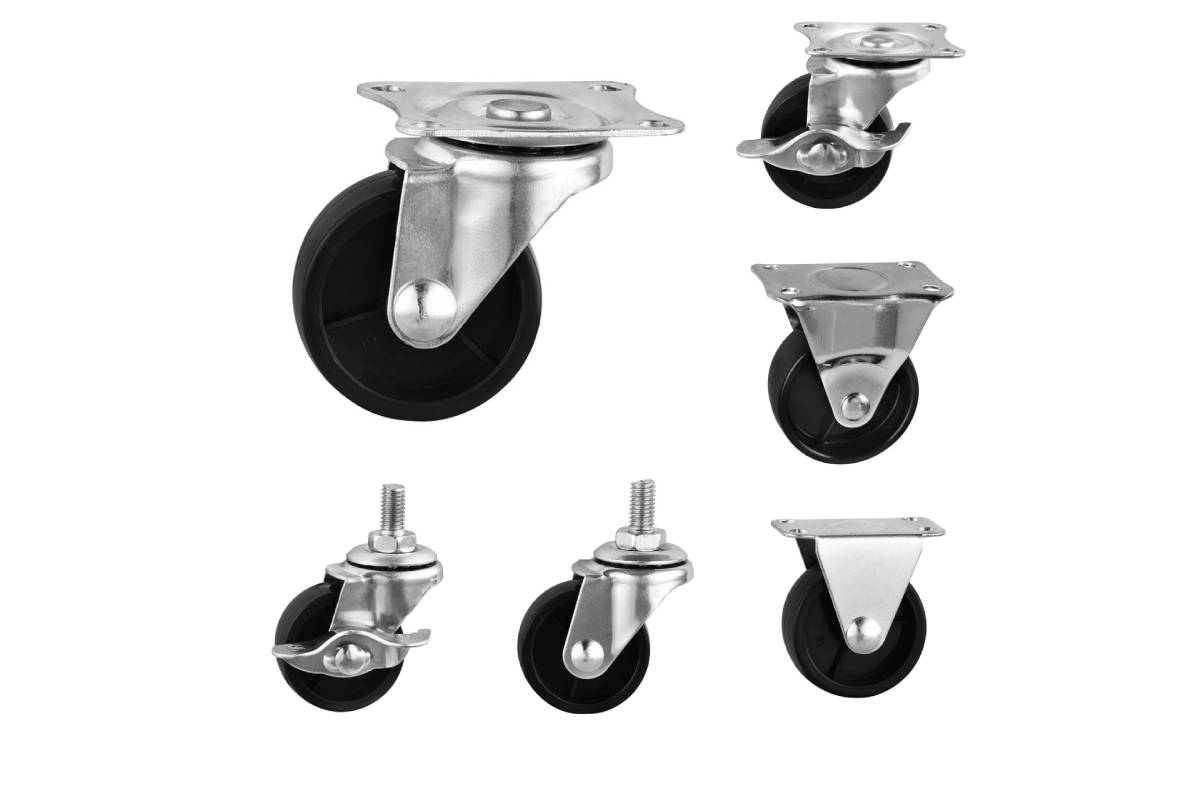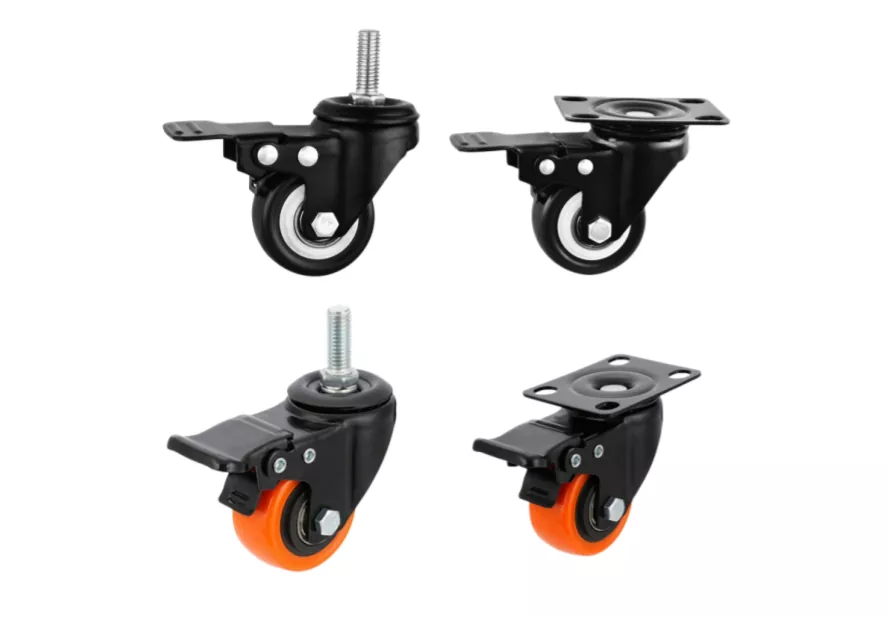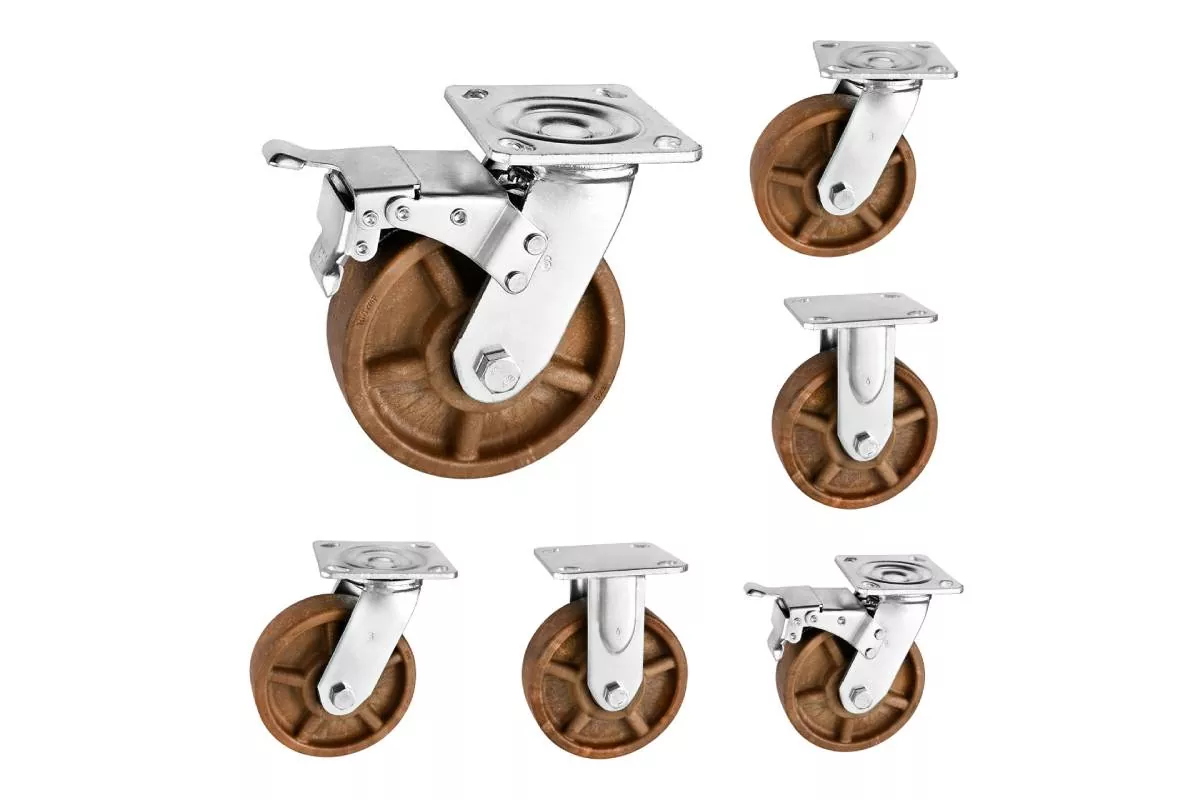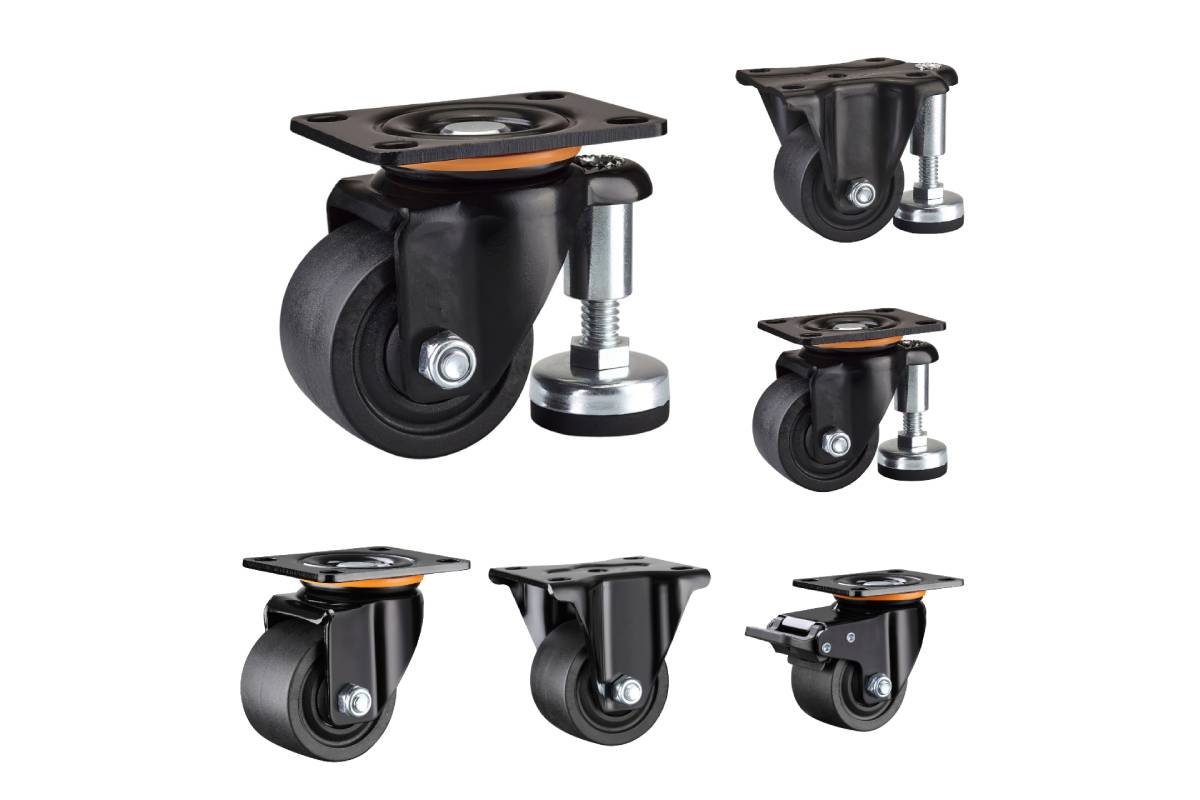

When a trolley caster suddenly becomes difficult to move, the issue is usually progressive rather than instant. A structured inspection can help identify whether the problem comes from contamination, lubrication failure, overload damage, or mechanical misalignment.
At CMCL® Casters, our maintenance engineers often recommend a simple on-site diagnostic process before replacing any components, as many bearing issues can still be resolved at an early stage.
1. Check for visible contamination
Inspect the wheel hub, axle gap, and bearing seal area.
Look for:
● Metal chips
● Dust accumulation
● Packaging fibers or debris
● Hardened grease mixed with dirt
In many cases, high quality industrial casters fail not because of the bearing itself, but because debris gradually enters through worn or low-grade sealing structures.
2. Manually rotate the wheel (unloaded condition)
Lift the trolley slightly and spin each wheel by hand.
Observe:
● Smooth rotation → bearing likely healthy
● Rough or uneven rotation → early-stage damage or contamination
● Complete lock-up → severe bearing seizure or mechanical deformation
A properly designed CMCL Casters industrial caster wheel should rotate with minimal resistance even under partial load conditions.
3. Remove the wheel and inspect the bearing
After disassembly, check:
● Rust spots on raceways
● Dry or burnt grease
● Cracked bearing seals
● Discolored (overheated) metal surfaces
These are strong indicators of lubrication failure or thermal stress, often caused by unsuitable operating environments or incorrect grease selection.
4. Check axle and fork alignment
Even small deviations in alignment can significantly increase bearing load.
Look for:
● Bent axle shaft
● Deformed caster fork arms
● Uneven wheel contact surfaces
● Over-tightened mounting hardware
Many industrial users underestimate this step, but in practice, misalignment accounts for a large percentage of premature failure in trolley caster bearings.
5. Verify load conditions
Compare actual operating load with caster specifications.
If the trolley is consistently operating above 50–70% of rated capacity, bearing fatigue accelerates rapidly.
High-quality industrial casters from CMCL® are designed with safety margins, but continuous overloading will still shorten service life significantly.
Preventing bearing failure is always more cost-effective than replacing damaged components. Based on field applications across logistics, manufacturing, and medical industries, CMCL® recommends the following maintenance strategy.
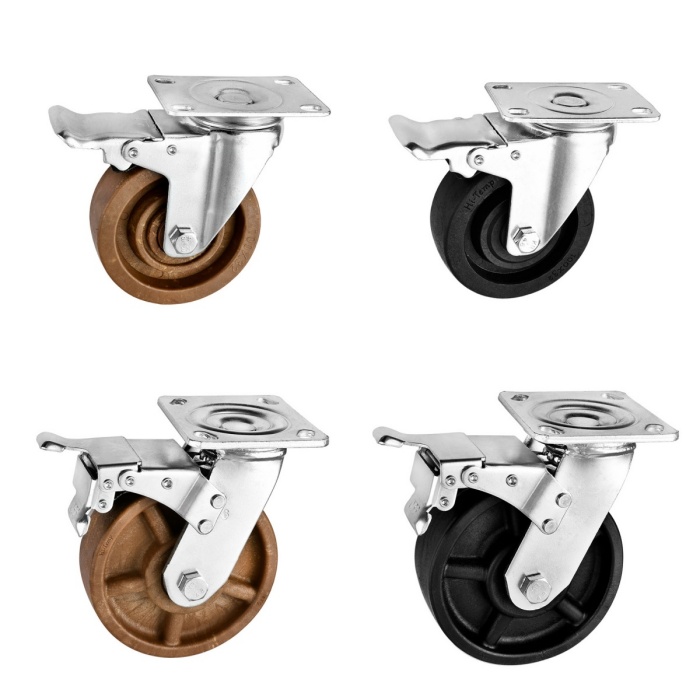
1. Choose the right industrial caster for the environment
One of the most common root causes of failure is simply using the wrong caster type.
For example:
● Dusty workshops → sealed precision bearings
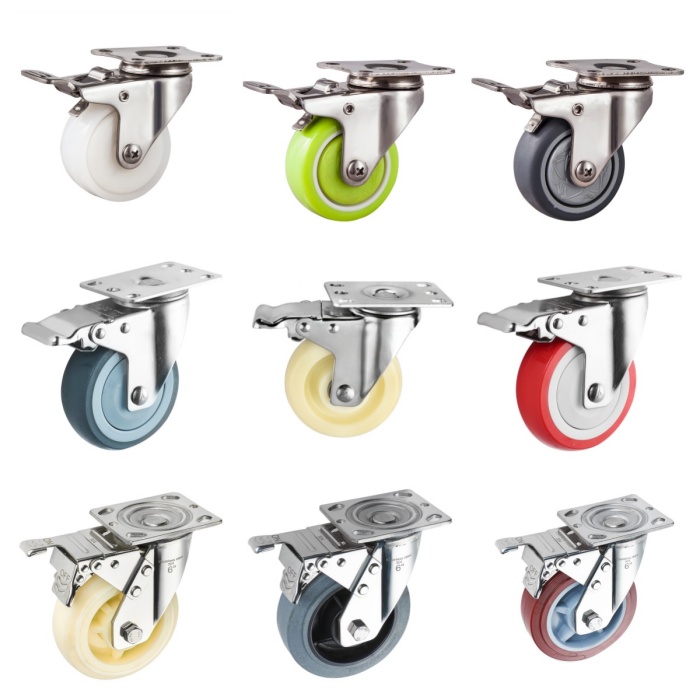
● Food processing → stainless steel industrial casters
● Cold storage → low-temperature grease systems
● Chemical environments → corrosion-resistant bearing assemblies
● Heavy-duty logistics → reinforced bearing structure design
A properly selected high quality industrial caster reduces maintenance frequency and significantly improves operational stability.
2. Use sealed bearing systems whenever possible
Open bearings are highly vulnerable to contamination.
Upgrading to:
● Double-sealed ball bearings
● Precision sealed units
● Stainless steel sealed assemblies
can dramatically extend wheel performance in real industrial conditions.
3. Apply correct lubrication strategy
Lubrication is not universal.
Different environments require different grease types:
● High-temperature grease → bakery ovens, heat processing lines
● Low-temperature grease → cold storage logistics
● Food-grade grease → cleanroom and food production
● Heavy-load grease → industrial transport systems
Using incorrect grease is one of the fastest ways to cause premature bearing seizure.
4. Avoid overload and impact stress
Even the most durable industrial caster has a mechanical limit.
To extend bearing life:
● Never exceed rated dynamic load
● Avoid dropping trolleys from height
● Reduce speed when crossing uneven surfaces
● Distribute load evenly across all wheels
Repeated impact stress is one of the most underestimated causes of bearing cage failure.
5. Implement a routine maintenance schedule
For most industrial applications, CMCL® recommends:
● Weekly: Remove dust and debris from wheel area
● Monthly: Inspect rotation and apply lubrication if needed
● Quarterly: Full caster inspection and bearing condition check
● Annually: Replace worn bearings in high-frequency use environments
This maintenance cycle is widely used in logistics and factory operations to ensure continuous uptime.
Minor contamination or dry lubrication can often be restored through cleaning and re-greasing. However, once rust, pitting, or cage damage appears, replacement is required.
Q2: Why do only some wheels get stuck on the same trolley?
This usually indicates uneven load distribution, misalignment, or localized contamination. It may also suggest that one caster is exposed to harsher working conditions than others.
Q3: How long should industrial caster bearings last?
For high-quality industrial casters, lifespan typically ranges from 6 months to several years depending on load, environment, and maintenance frequency.
Q4: Are sealed bearings really better for industrial use?
Yes. Sealed systems significantly reduce contamination risk, especially in warehouses and manufacturing environments where dust and debris are unavoidable.
Q5: What is the most common cause of bearing seizure?
In real-world applications, contamination and lubrication failure account for the majority of cases—not manufacturing defects.
Q6: Should I replace just the bearing or the whole caster?
If the wheel hub, fork, and axle are still in good condition, replacing the bearing is sufficient. However, in heavy-duty or safety-critical applications, replacing the full caster is often recommended.
Trolley caster bearing seizure is rarely a sudden failure. In most cases, it is the result of gradual wear caused by environmental stress, improper maintenance, or incorrect caster selection.
Understanding these failure mechanisms allows operators to significantly reduce downtime and improve equipment reliability.
At CMCL® Casters, we design and manufacture high-quality industrial casters engineered for real-world working environments—from warehouses and factories to food processing and medical applications.
If your operation requires reliable mobility solutions, CMCL® can provide customized caster systems tailored to your working environment and load requirements.