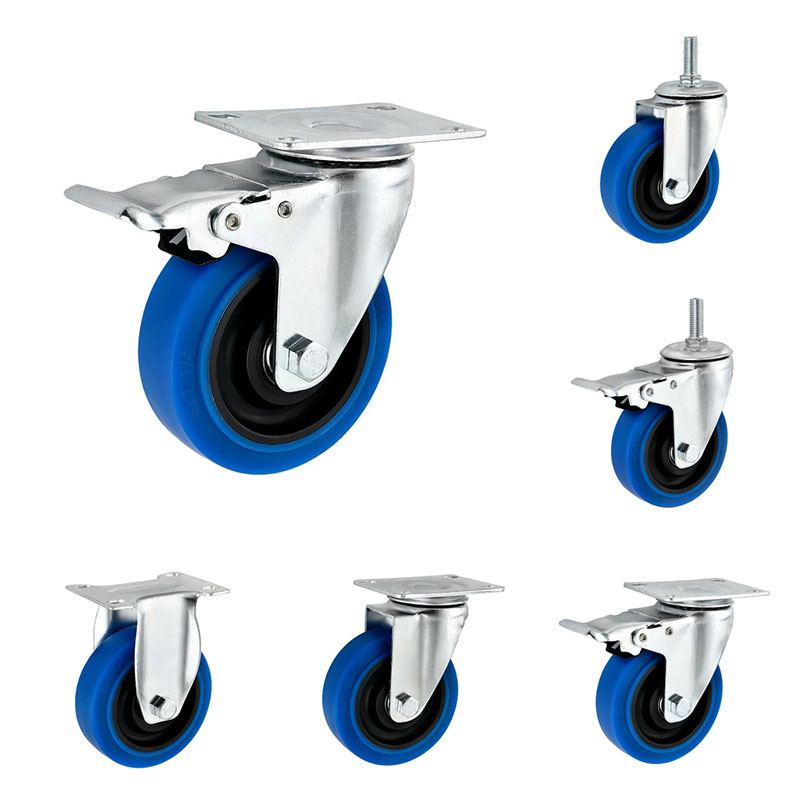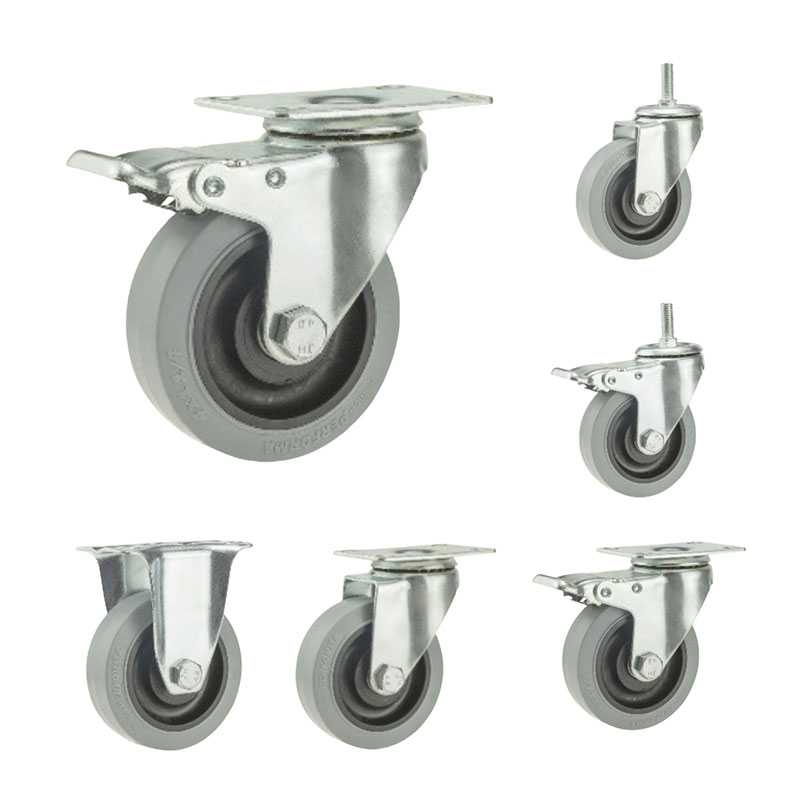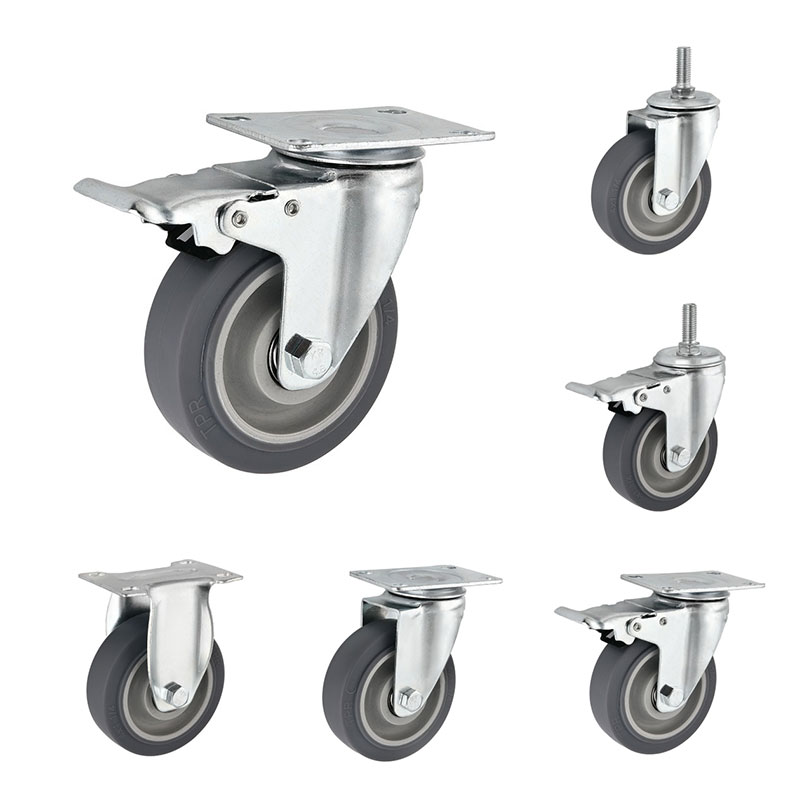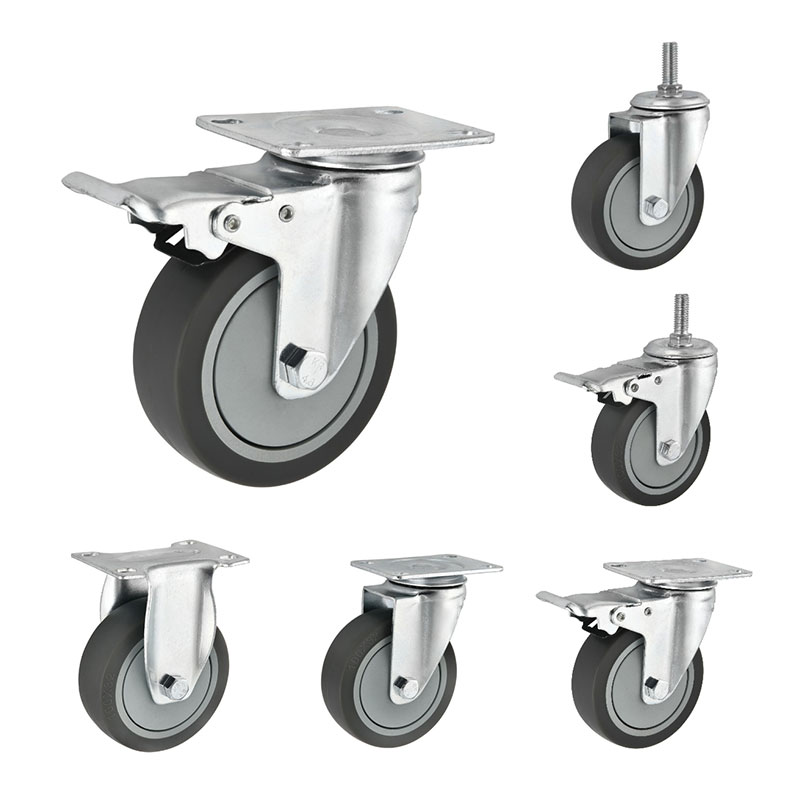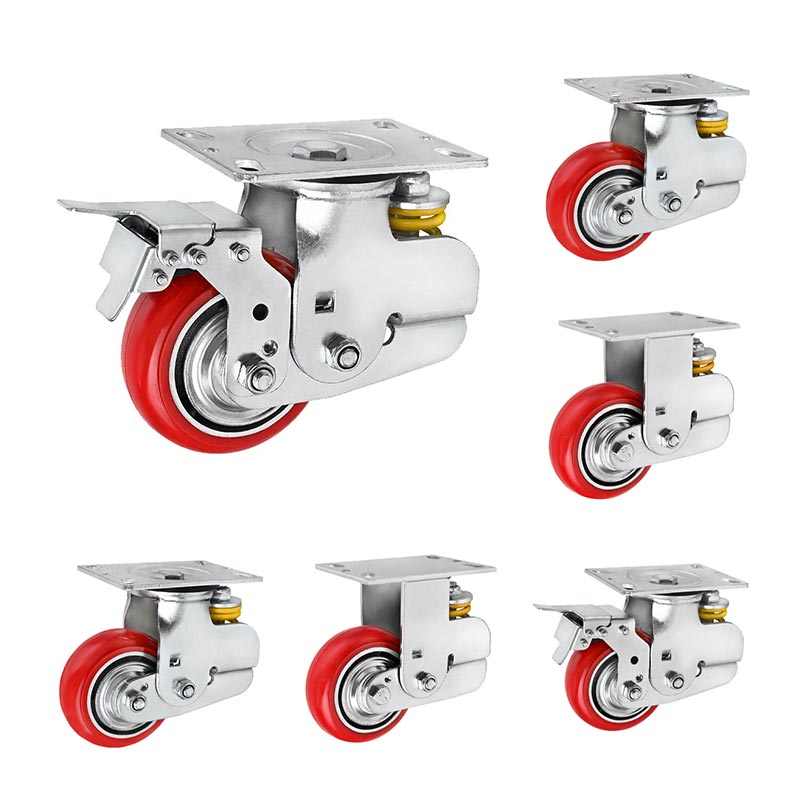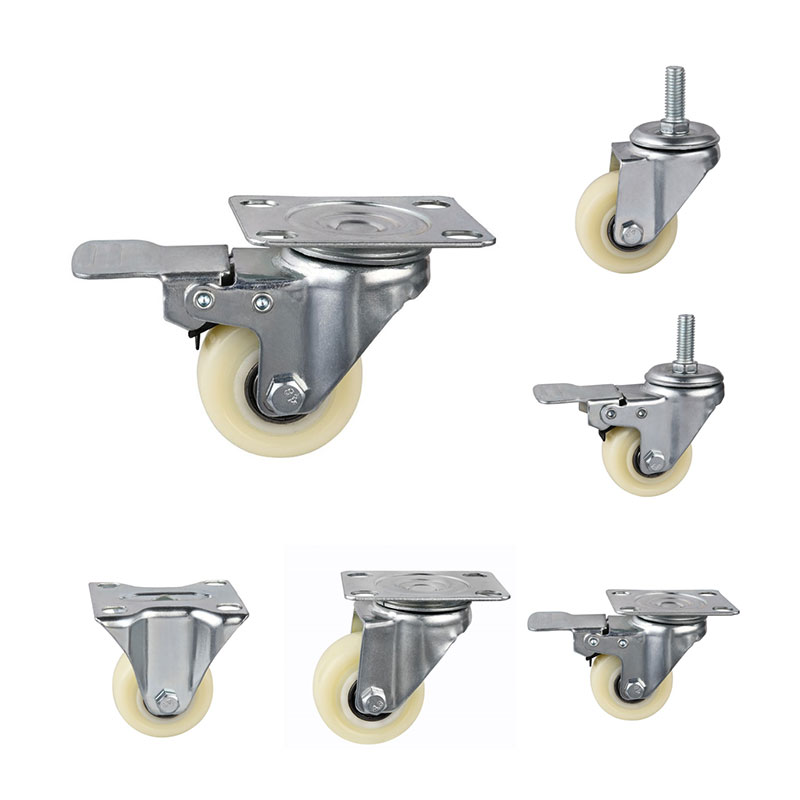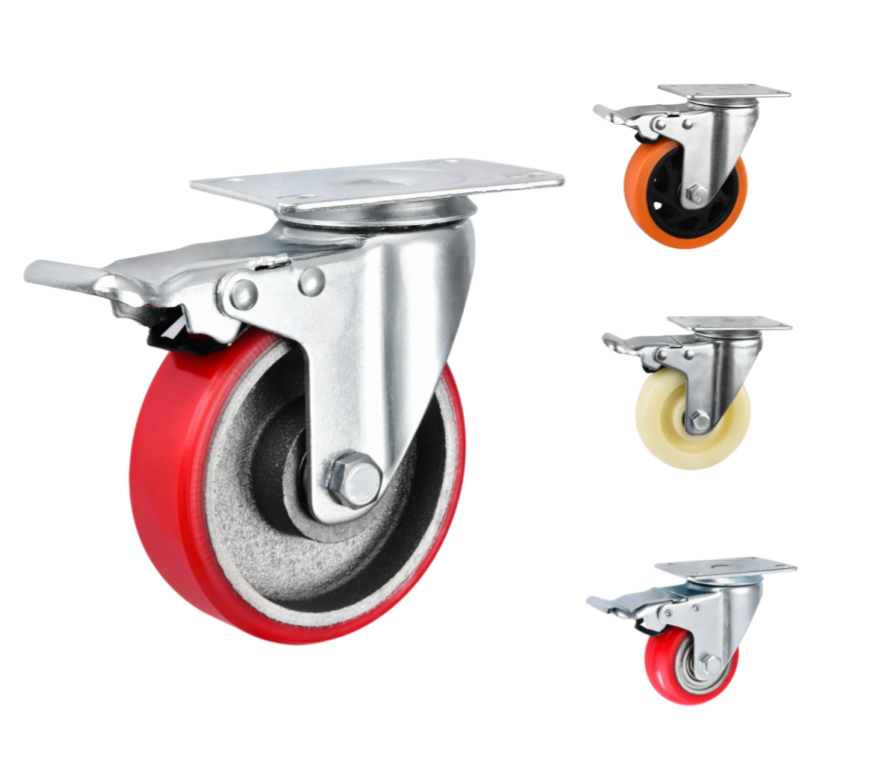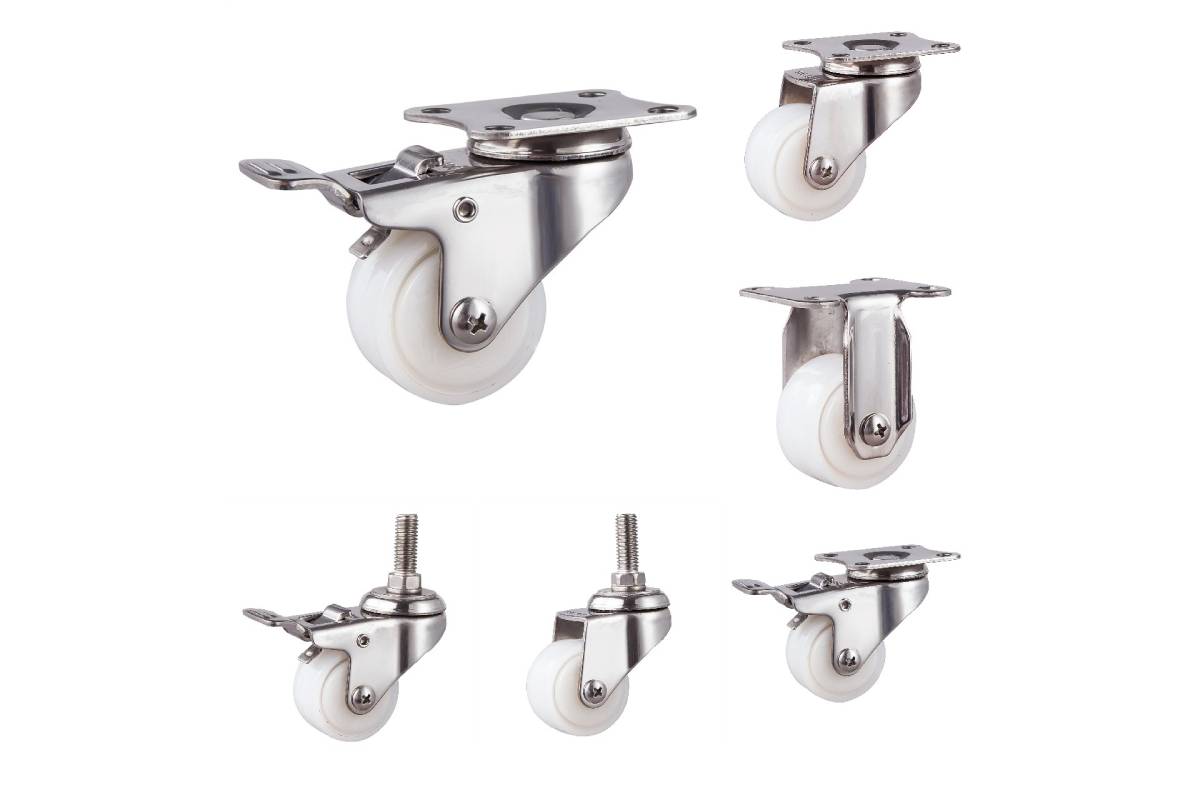

As a professional industrial caster manufacturer with extensive field experience, CMCL Casters has found that improper load calculations are one of the leading causes of caster-related failures. This guide explains the standard industrial caster load calculation formula and the engineering logic behind the widely accepted 4-wheel installation, 3-wheel load selection principle. The method is commonly used for warehouse carts, industrial handling equipment, medical trolleys, automated machinery, and customized mobile systems.
Unlike static shelving systems, industrial caster applications must account for dynamic loads, uneven floors, vibration, and impact forces during movement. Relying solely on static weight calculations often leads to insufficient load capacity.
Single Wheel Load = (Total Equipment Weight + Maximum Load Weight) ÷ 3 × Safety Factor
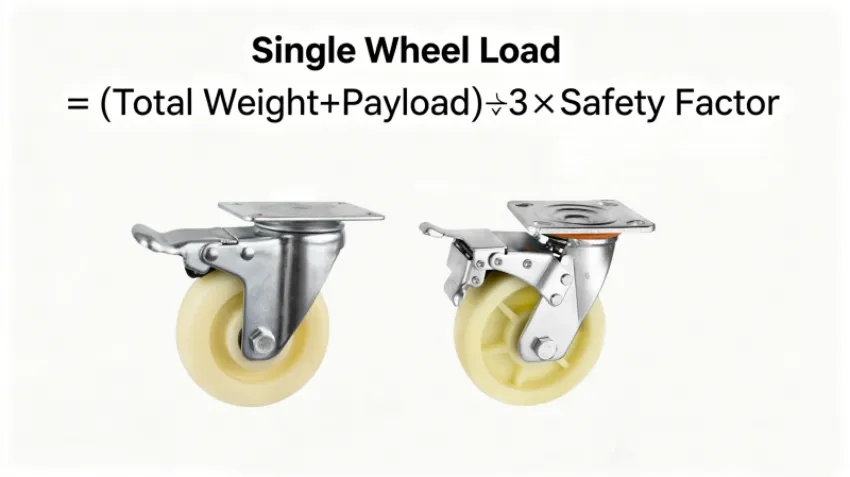
A. Total Equipment Weight: The self-weight of the cart, rack, machine, or mobile equipment.
B. Maximum Load Weight: The maximum weight the equipment is designed to carry during operation.
C. Divide by 3 Instead of 4: The core principle for four-caster installations, explained later in this article.
D. Safety Factor: Typically 1.3–1.5 for standard industrial environments. For rough floors, frequent movement, or impact-prone applications, a safety factor of 1.5–2.0 is recommended.
A warehouse trolley weighs 80 kg and carries a maximum load of 400 kg.
Total Weight:
80 kg + 400 kg = 480 kg
Required Single Wheel Capacity:
480 ÷ 3 × 1.3 = 208 kg
Selection Result: Each caster should have a minimum load capacity of 208 kg, rather than the 120 kg obtained by simply dividing the total weight by four.
Many users ask:If a cart has four casters, why not divide the load by four?
The answer comes from actual operating conditions rather than theoretical calculations.
Whether the floor is concrete, epoxy-coated, or tiled, minor unevenness always exists. Due to floor irregularities and structural tolerances, it is extremely difficult for all four casters to carry the load equally at all times.
In practice, most four-wheel carts naturally form a stable three-point support system, where three casters bear the majority of the load while the fourth caster carries little or no weight.
This is the primary reason why industrial engineers use the 3-wheel load-bearing principle.
When equipment moves across:
A. Expansion joints
B. Floor gaps
C. Ramps
D. Uneven surfaces
E. Thresholds
the load distribution changes instantly.
At certain moments, only two or three casters may absorb most of the impact force. These temporary load spikes can exceed the theoretical average load significantly.
If caster selection is based on four-wheel averaging, overload failures become much more likely.
Even with precision manufacturing, small differences in:
A. Mounting hole locations
B. Frame flatness
C. Bracket height
D. Installation accuracy
can create uneven load distribution.
As a result, one caster may consistently carry more weight than the others.
Ignoring the 3-wheel load-bearing principle is one of the most common causes of caster failure.
Based on years of project experience, CMCL engineers frequently encounter the following problems:
A. Wheel tread deformation and flat spotting
B. Bent caster brackets
C. Bearing overload and premature failure
D. Increased rolling resistance
E. Poor maneuverability
F. Cart wobbling during movement
G. Increased maintenance and replacement costs
H. Potential workplace safety hazards
These issues often occur even when the selected caster appears to meet the theoretical load requirement.
The 3-wheel conversion principle primarily applies to four-caster equipment.
Calculate load based on the average load of all three casters plus a suitable safety factor. Load distribution is generally more balanced.
Use the industry-standard 3-wheel load calculation method.
For heavy-duty equipment with six or eight casters, engineers typically calculate based on approximately 70–80% of the theoretical average load distribution while maintaining sufficient dynamic load reserve.
The same engineering principle applies to specialized caster solutions. Whether selecting High Temperature Casters for ovens, baking equipment, and heat-treatment machinery, or Anti Static Casters for electronics manufacturing, cleanrooms, and semiconductor facilities, load capacity should always be calculated using the 3-wheel load-bearing principle while maintaining an adequate safety margin for dynamic operating conditions.
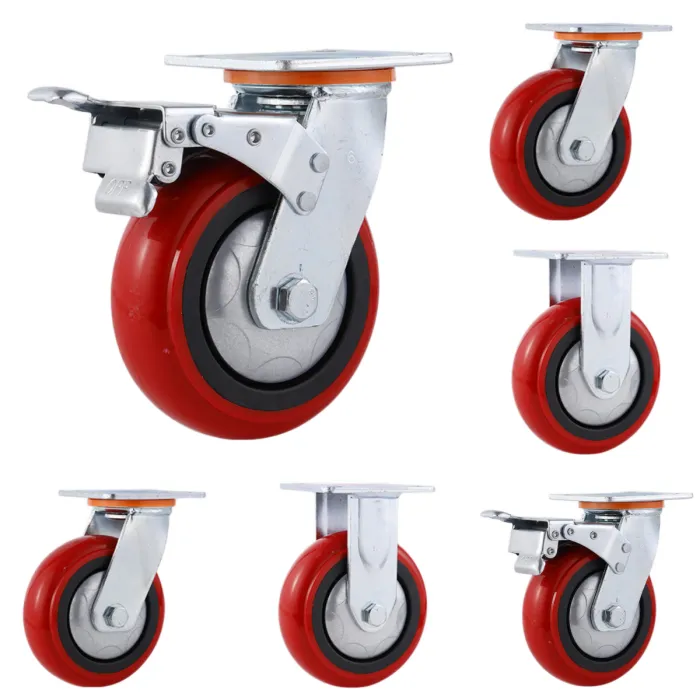
Load calculation is the foundation of proper caster selection and often determines the overall service life of the equipment.Based on extensive experience serving customers in logistics, manufacturing, medical, food processing, and electronics industries.Choosing a caster that merely meets the calculated load often results in reduced service life.High Temperature Casters used in industrial ovens and sterilization equipment must withstand elevated temperatures while maintaining load-bearing performance. Anti Static Casters used in ESD-sensitive environments must combine reliable electrostatic discharge protection with sufficient load capacity. Stainless steel casters may be required in corrosive or washdown environments. Selecting the right wheel material and bracket design is equally important.For customized trolleys, industrial machinery, and heavy-duty mobile equipment, professional load calculations are strongly recommended.
CMCL Casters specializes in industrial mobility solutions for demanding working environments. From Heavy Duty Casters and Stainless Steel Casters to High Temperature Casters and Anti Static Casters, CMCL provides both standard and customized caster solutions designed to meet specific load requirements, environmental conditions, and industry standards. By combining accurate load calculations with application-focused engineering support, CMCL helps customers maximize equipment safety, operational efficiency, and long-term reliability.