
Picking suitable industrial casters directly keeps your equipment stable, guarantees on-site safety, ensures smooth movement and cuts long-term operation costs.
We’ve talked with hundreds of clients across different industries, and found that most frequent issues — early caster breakdown, heavy rolling resistance, scratched floors and constant part replacement — all stem from one simple reason: casters do not match the actual working conditions.
As a professional industrial caster manufacturer, CMCL Casters has served logistics, manufacturing, food processing, electronics, healthcare and material handling sectors for years. Different load demands, operating temperatures, floor types and environmental rules require targeted caster solutions.
This practical selection guide sums up core evaluation standards from our on-site engineering experience, helping you find the most reliable casters for your daily use.
Load capacity is the top priority when choosing industrial casters. Overloading is the main cause of wheel deformation, bent brackets, broken bearings and short service life.
Never select casters only based on static equipment weight. When pushing, turning or moving across uneven ground, dynamic load and sudden impact will be much higher. We always suggest reserving a reasonable safety margin for real working scenarios.
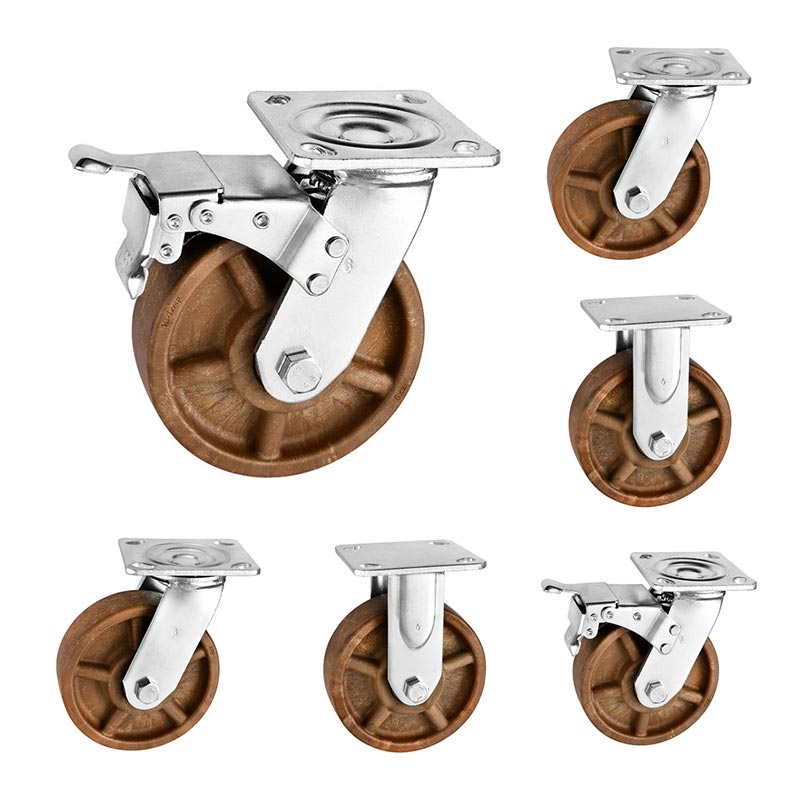
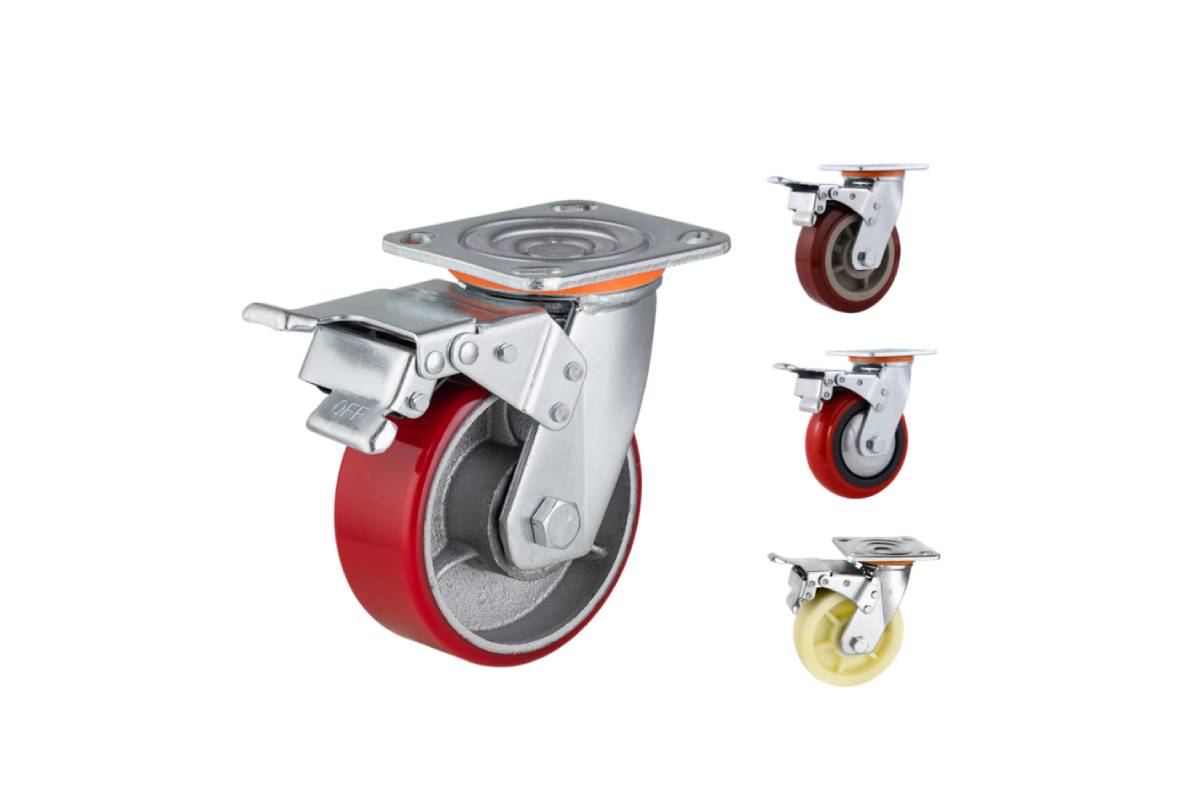
For heavy duty warehouse trolleys, transport carts and industrial machines, our heavy duty casters deliver stronger load-bearing performance, longer lifespan and higher operational safety.
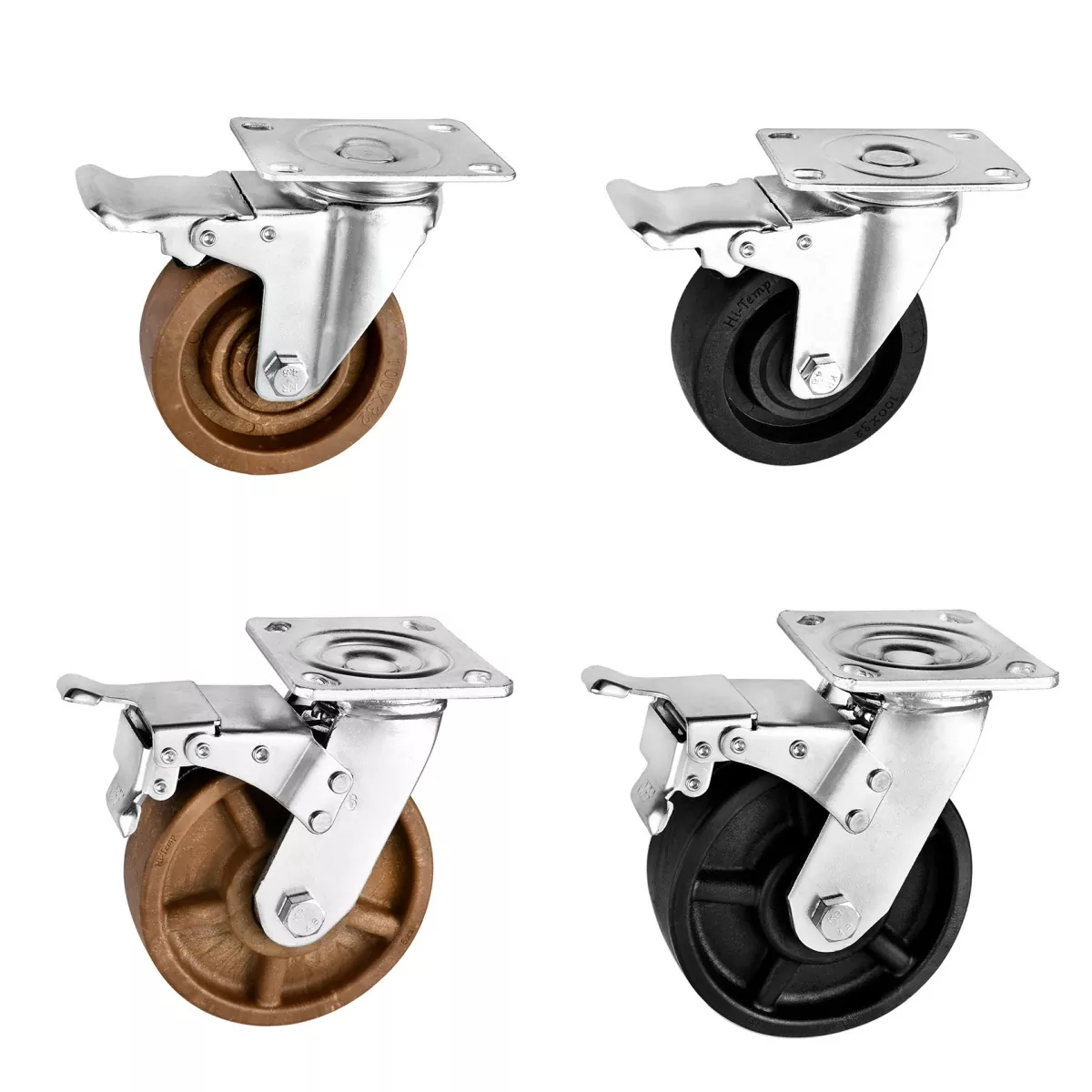
Working temperature greatly affects caster performance and durability. Standard polyurethane and rubber wheels will soften, crack or degrade under long-time extreme temperatures.
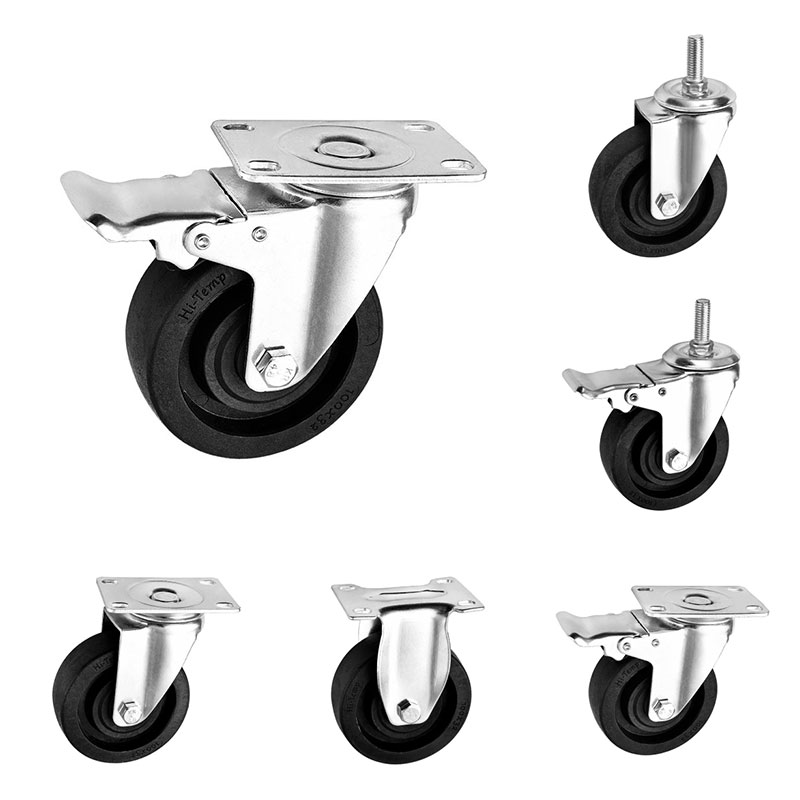
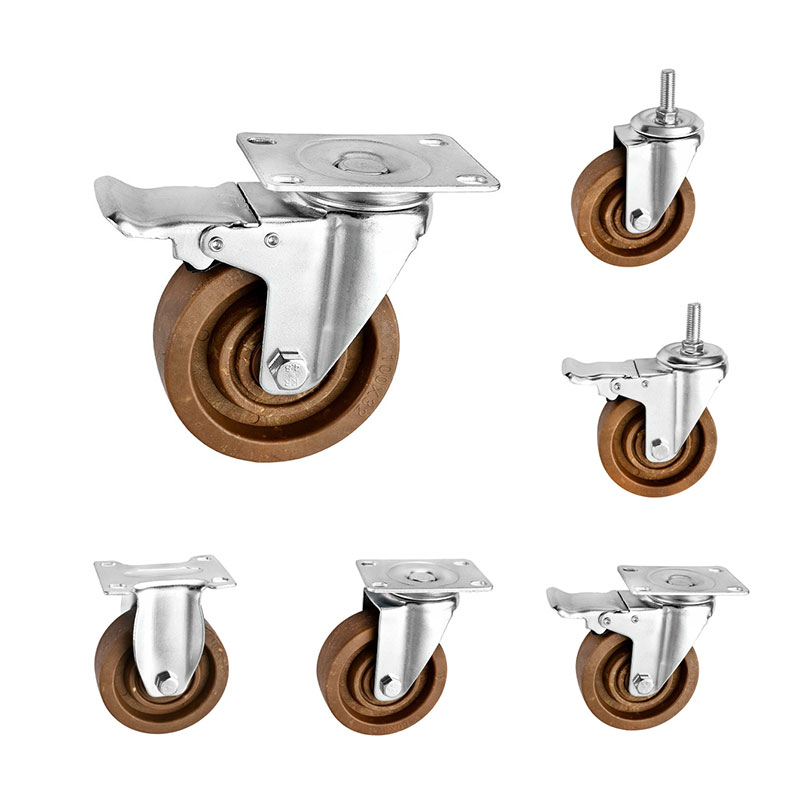
If your workplace includes bakeries, food production lines, industrial ovens and autoclave equipment with high ambient temperature all day long, standard wheels will wear out quickly. Our high temperature casters are specially engineered to resist thermal stress and keep rolling steadily in harsh hot environments.
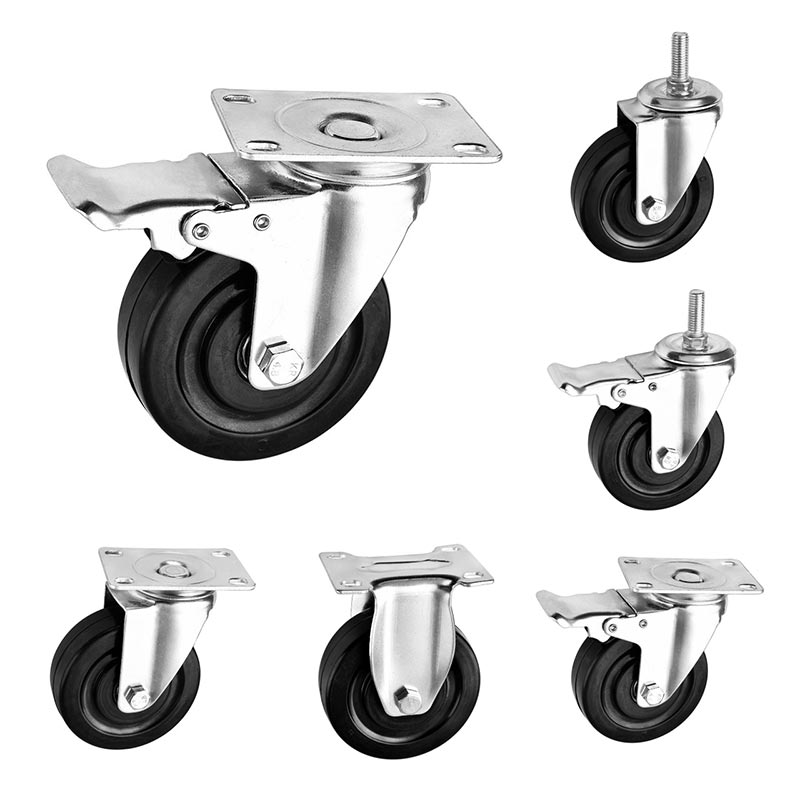
For regular indoor workshops at room temperature, standard industrial casters can fully meet daily moving demands.
Every industry has unique requirements on static resistance, moisture, chemical contact, hygiene and anti-corrosion performance. You need to take all these factors into consideration.
Electronics factories, semiconductor workshops, laboratories and clean rooms are sensitive to static electricity. Static discharge will damage precision parts and finished products. In these areas, ordinary casters cannot work. ESD & anti-static casters are must-haves to conduct static away from equipment and comply with cleanroom safety rules.
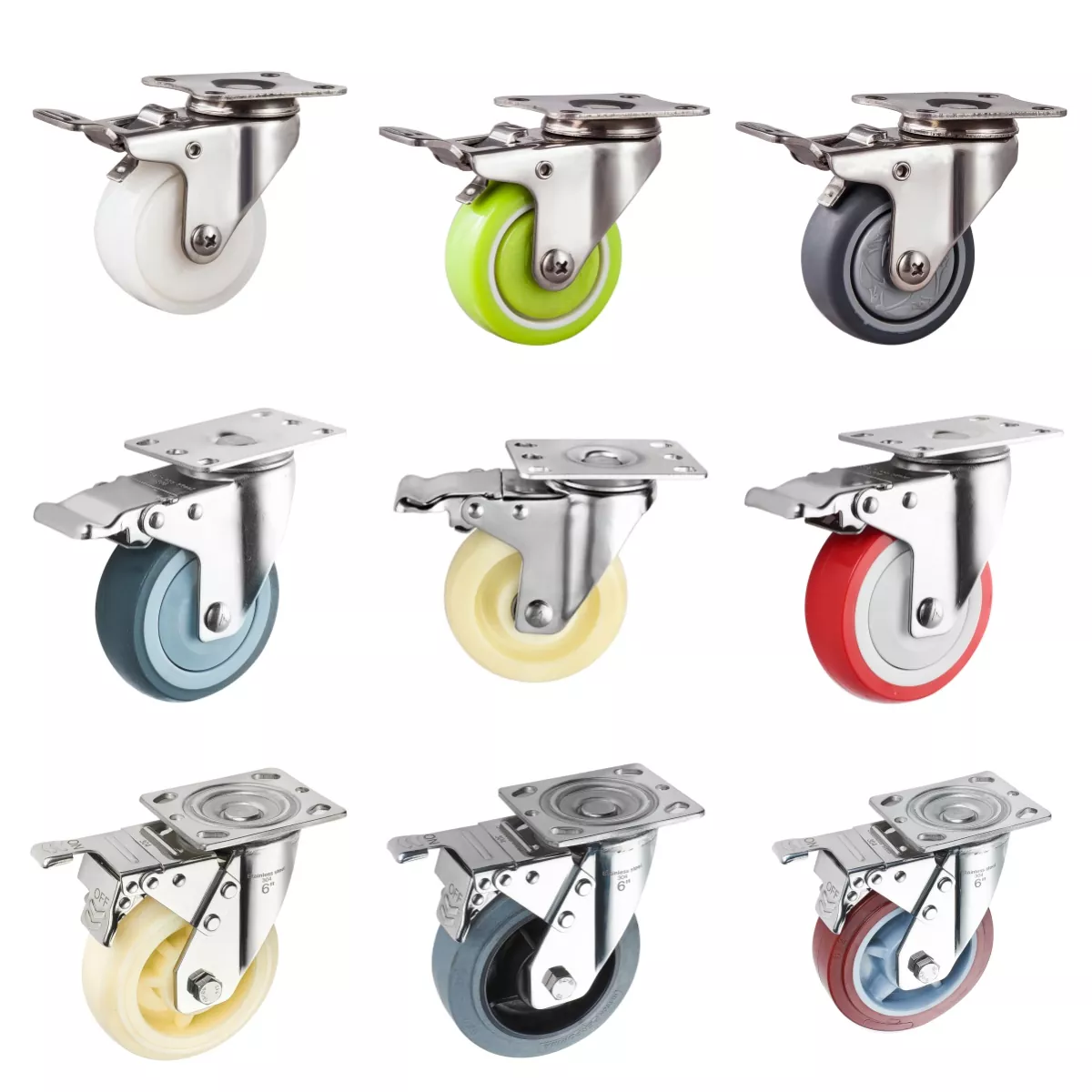
For food processing plants, pharmaceutical workshops, hospitals and chemical production sites, hygiene and corrosion resistance are non-negotiable. Our stainless steel casters are easy to clean, resistant to water, detergent and common chemicals, perfectly fitting strict sanitary standards.
| Industry | Recommended Caster Type |
| Electronics Manufacturing | ESD Casters / Anti-Static Casters |
| Food Processing | Stainless Steel Casters |
| Bakery & Oven Equipment | High Temperature Casters |
| Warehousing & Logistics | Heavy Duty Industrial Casters |
| Medical Equipment | Stainless Steel & Quiet Rolling Casters |
| Chemical Processing | Corrosion-Resistant Stainless Steel Casters |
Floor surface determines the ideal wheel material and overall caster configuration.
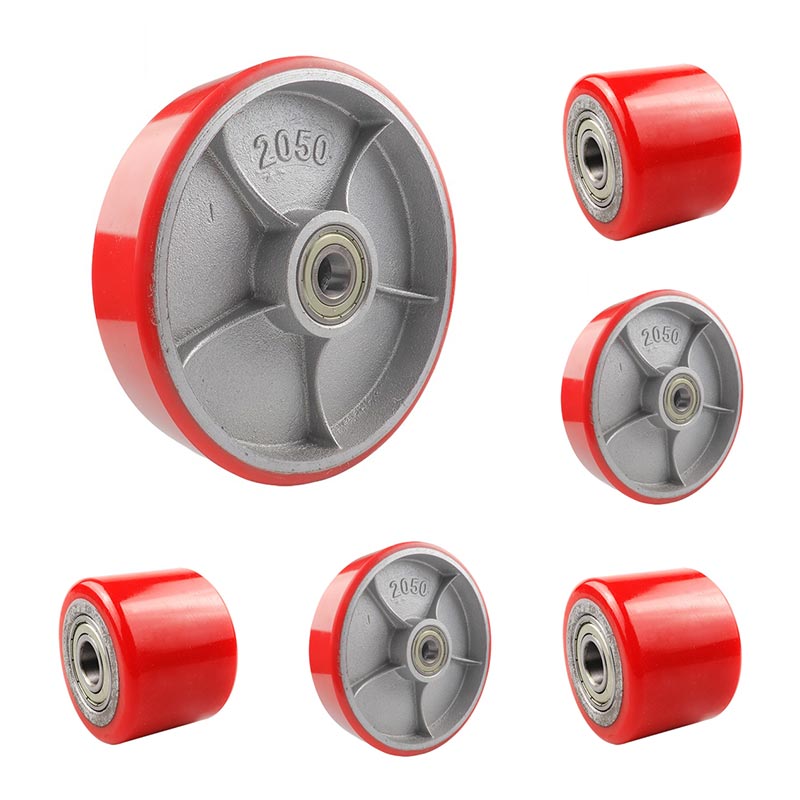
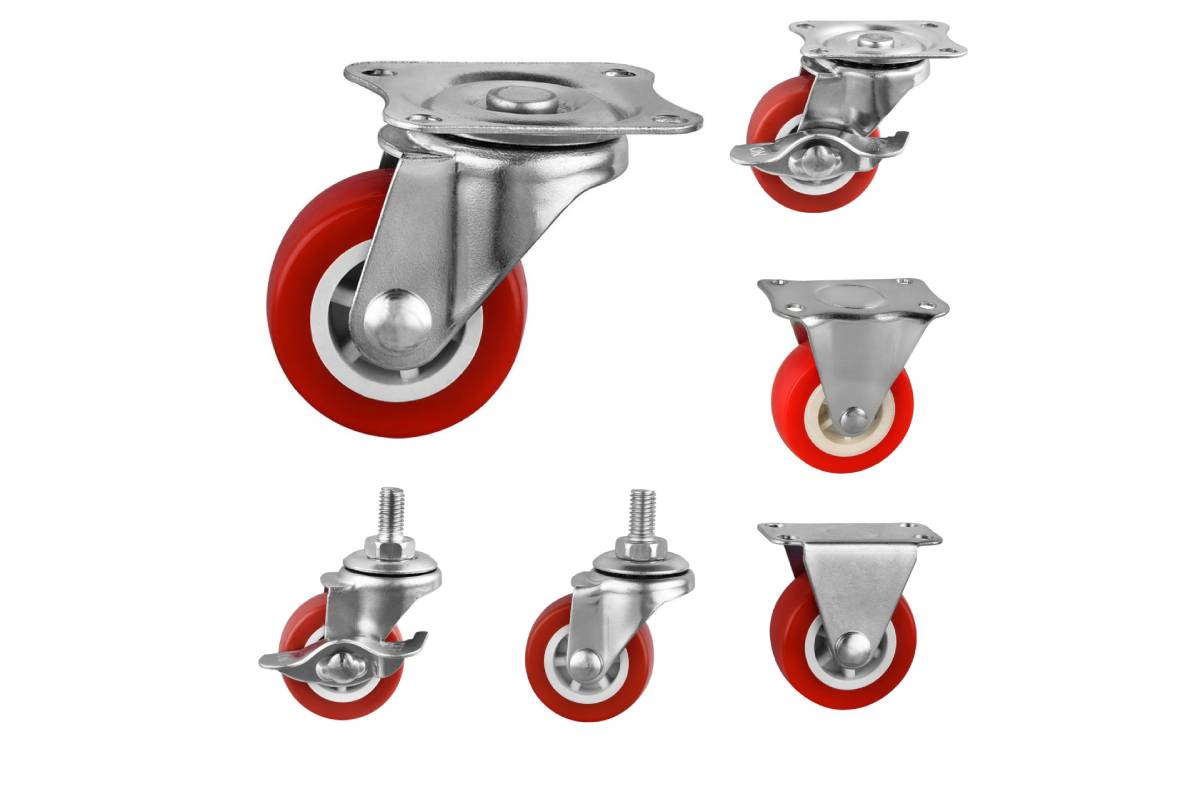
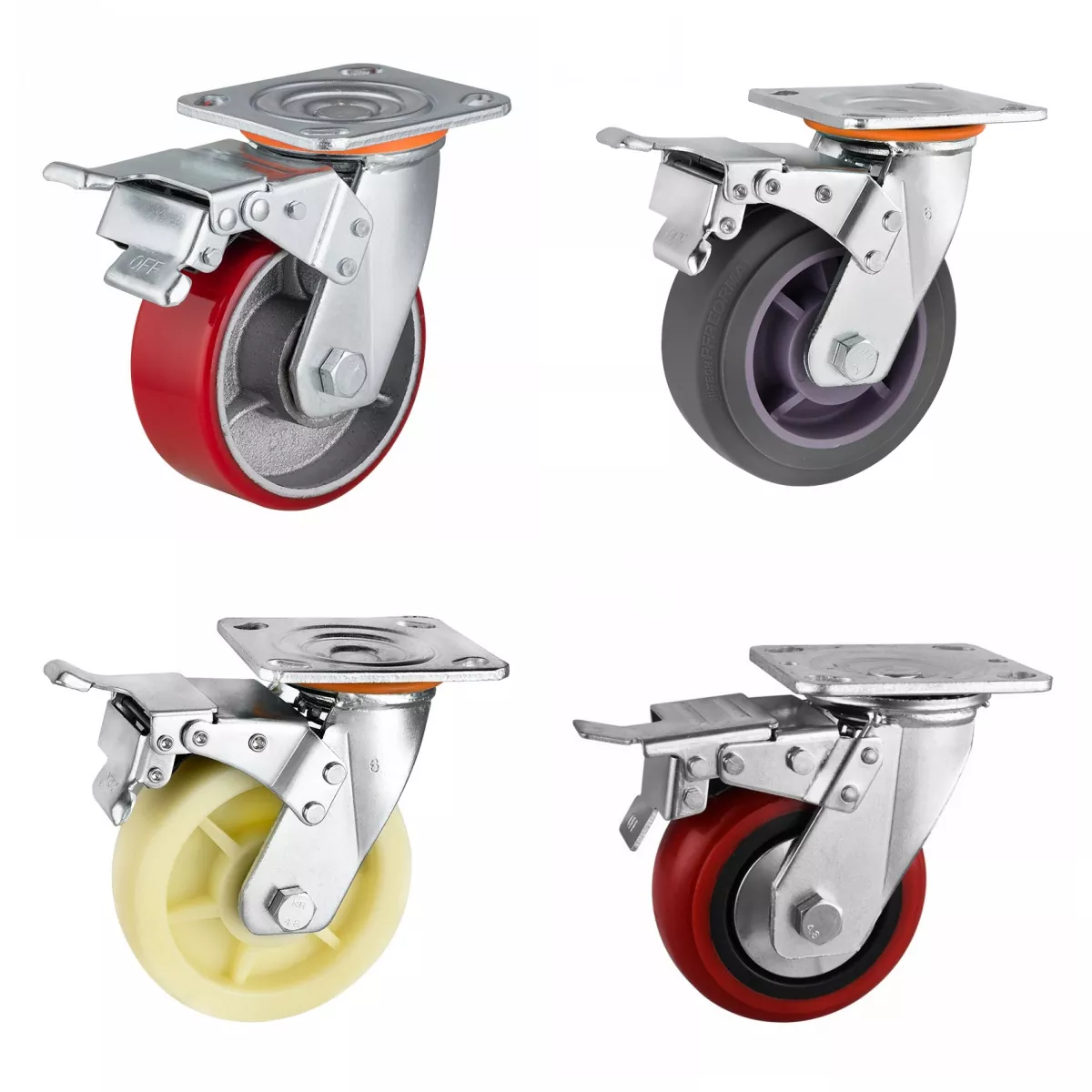
A.Smooth indoor floors (epoxy floor, polished concrete) Polyurethane casters are the best choice. They run quietly, protect floors effectively, absorb vibration well and lower rolling resistance.
B.Rough & uneven workshop floors Harder wheel materials are required. Nylon casters and heavy-duty casters feature strong impact resistance and abrasion resistance for long-term use.
C.Hard concrete & high-traffic areas Wear-resistant casters can slow down wheel wear and maintain stable mobility even with frequent back-and-forth movement.
Wrong wheel selection will lead to loud noise, fast wear, heavier pushing force and permanent floor damage.
Besides wheel material, structure decides how flexibly your equipment moves.
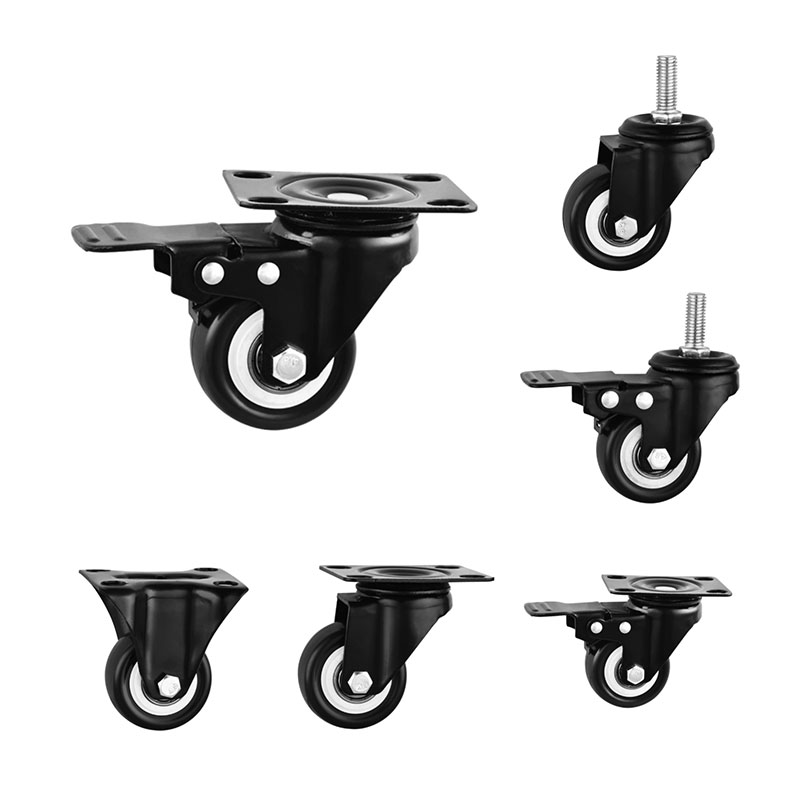
Fixed Casters: Designed for straight travel, with excellent directional stability.
Swivel Casters: Allow free rotation, easy to maneuver in narrow spaces.
Brake Casters: Combine flexible movement and firm positioning, ideal for equipment that needs to stay fixed during operation.
Based on our practical application experience, we recommend the classic combination: 2 fixed casters + 2 swivel brake casters for mobile carts, storage racks and industrial mobile equipment. This collocation balances direction control, flexibility and workplace safety.
Many companies choose cheap universal casters to cut upfront costs. In fact, mismatched casters will bring higher hidden expenses: frequent replacement, production downtime and low working efficiency.
Here are the most common mistakes we see in daily projects:
Using standard casters in high-temperature working areas
Installing ordinary wheels in static-sensitive workshops
Adopting light-duty casters for heavy-load tasks
Ignoring floor conditions when choosing wheel materials
Calculating load without considering dynamic impact force
A scenario-based selection way will always bring better long-term value and reliability.
Industrial caster selection is more than just checking load capacity. Working temperature, floor type, environmental rules, mobility needs and industry standards all decide the overall performance and service life.
As your reliable industrial caster supplier, CMCL Casters provides customized mobility solutions for logistics, manufacturing, food, electronics, medical and warehousing industries.
Our full product range covers heavy duty industrial casters, ESD anti-static casters, high temperature casters, stainless steel casters, polyurethane casters and brake caster systems. If you have any selection questions or customized demands, feel free to contact our engineering team anytime.