
Electrostatic discharge (ESD) is an often invisible but serious risk in electronics manufacturing, precision laboratories, and chemical processing facilities. A small static spark can damage sensitive microchips, corrupt laboratory measurements, or even create safety hazards in environments containing flammable materials.
Many facilities invest heavily in ESD protection systems such as anti-static flooring, grounding wrist straps, and ESD-safe clothing. However, one important component of a complete ESD control system is frequently overlooked: anti-static caster wheels used on mobile equipment.
Selecting the correct ESD caster wheels is not just a minor equipment choice. It helps ensure that carts, racks, and mobile workstations remain part of the facility’s static-control system, preventing dangerous charge accumulation during daily operations.
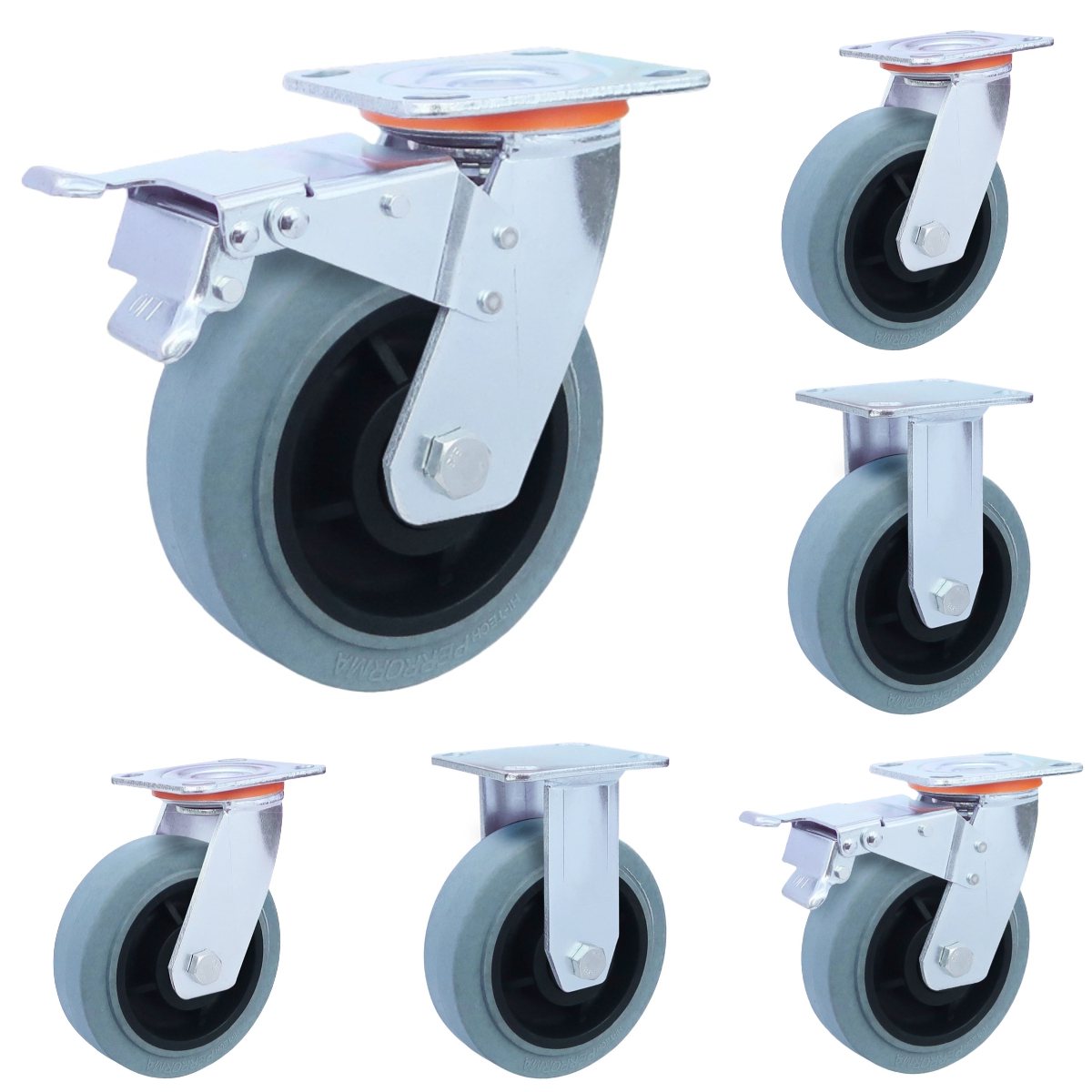
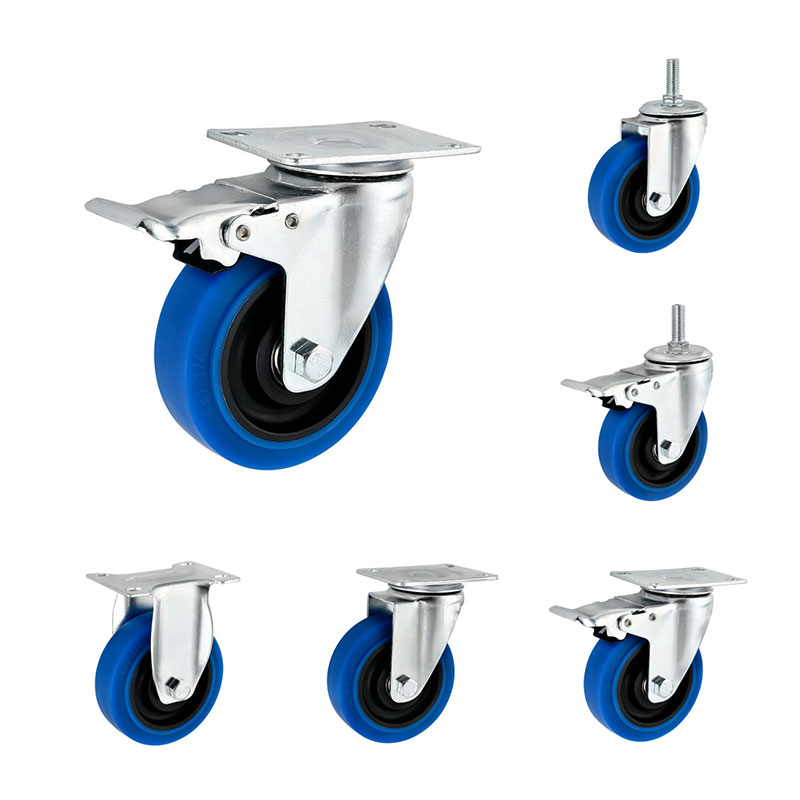
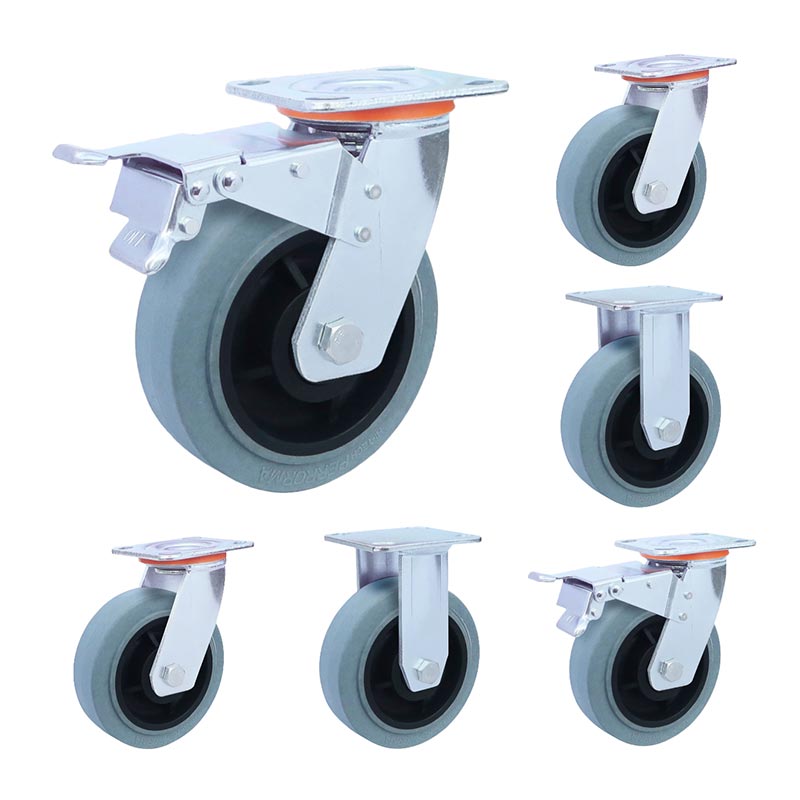
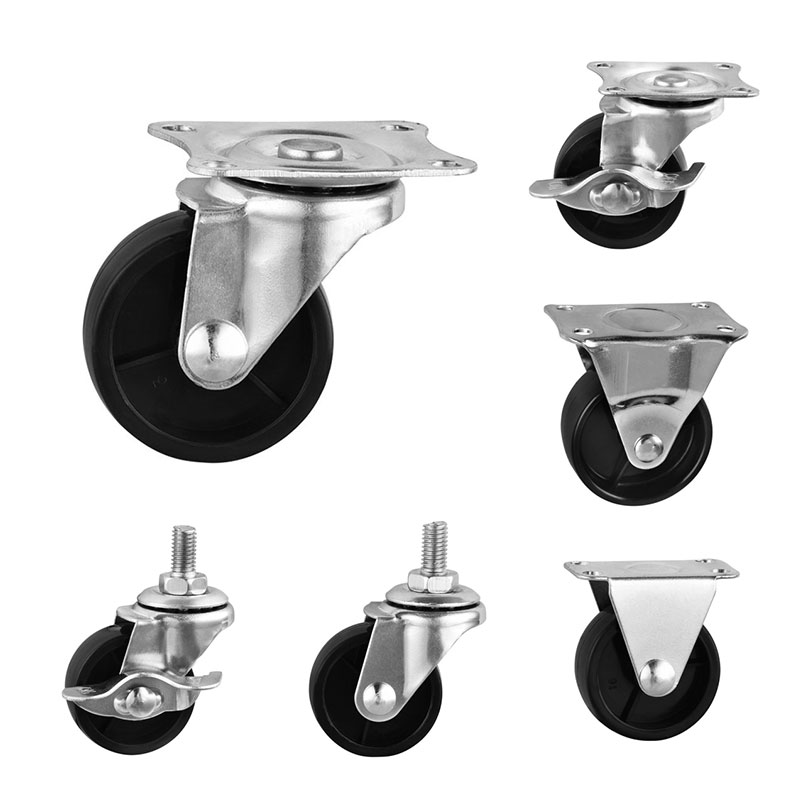
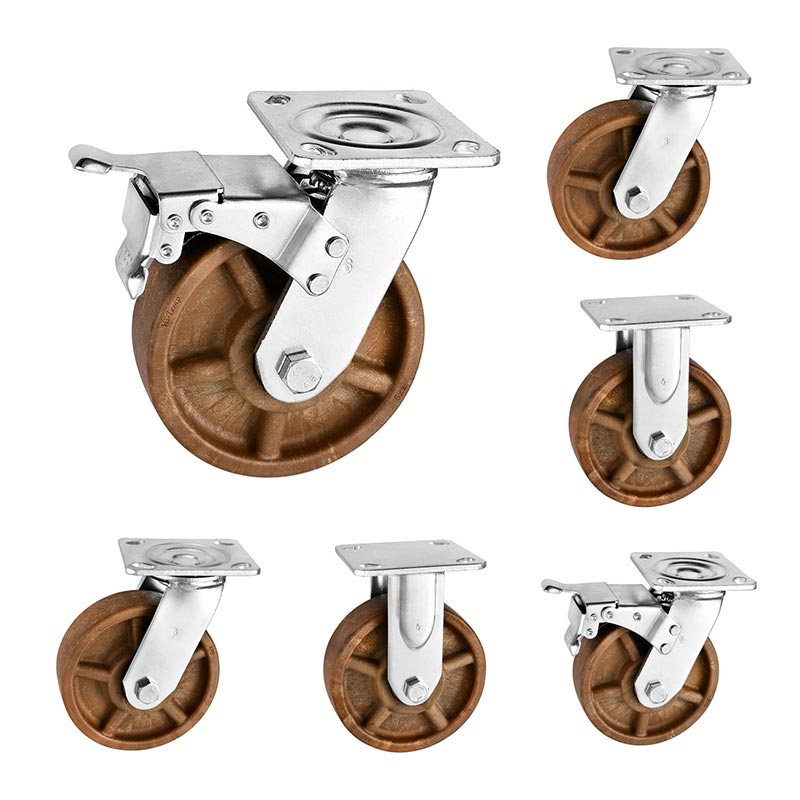
Anti-static caster wheels, also known as ESD caster wheels or static-dissipative casters, are specially designed wheels that safely control and discharge electrostatic buildup generated when equipment moves across floors.
Unlike standard caster wheels that may accumulate static electricity, ESD casters are manufactured using conductive or static-dissipative materials. These materials allow electrical charges to travel safely through the wheel and into a grounded flooring system.
ESD caster wheels are widely used in environments where electrostatic discharge can damage equipment or affect safety, including:
1.Electronics assembly and PCB production lines
2. Semiconductor manufacturing facilities
3. Cleanrooms and dust-free environments
4. Research and testing laboratories
5. Pharmaceutical production plants
6. Chemical facilities handling flammable substances
In these industries, maintaining proper static control is critical for product quality, operational safety, and regulatory compliance.
The most important technical feature of an ESD caster is its electrical resistance range. This determines how effectively static electricity can dissipate without creating electrical hazards.
Typical resistance classifications include:
Resistance: greater than 10⁹ Ω
These wheels act as insulators and can allow static electricity to accumulate.
Resistance: below 10⁵ Ω
These provide very fast electrical discharge but may pose a shock risk in certain environments.
Resistance: 106 Ω to 10⁹ Ω
This range allows static electricity to dissipate in a controlled and safe manner.
Because of this controlled resistance range, ESD casters are considered the most suitable solution for environments that require continuous static protection.
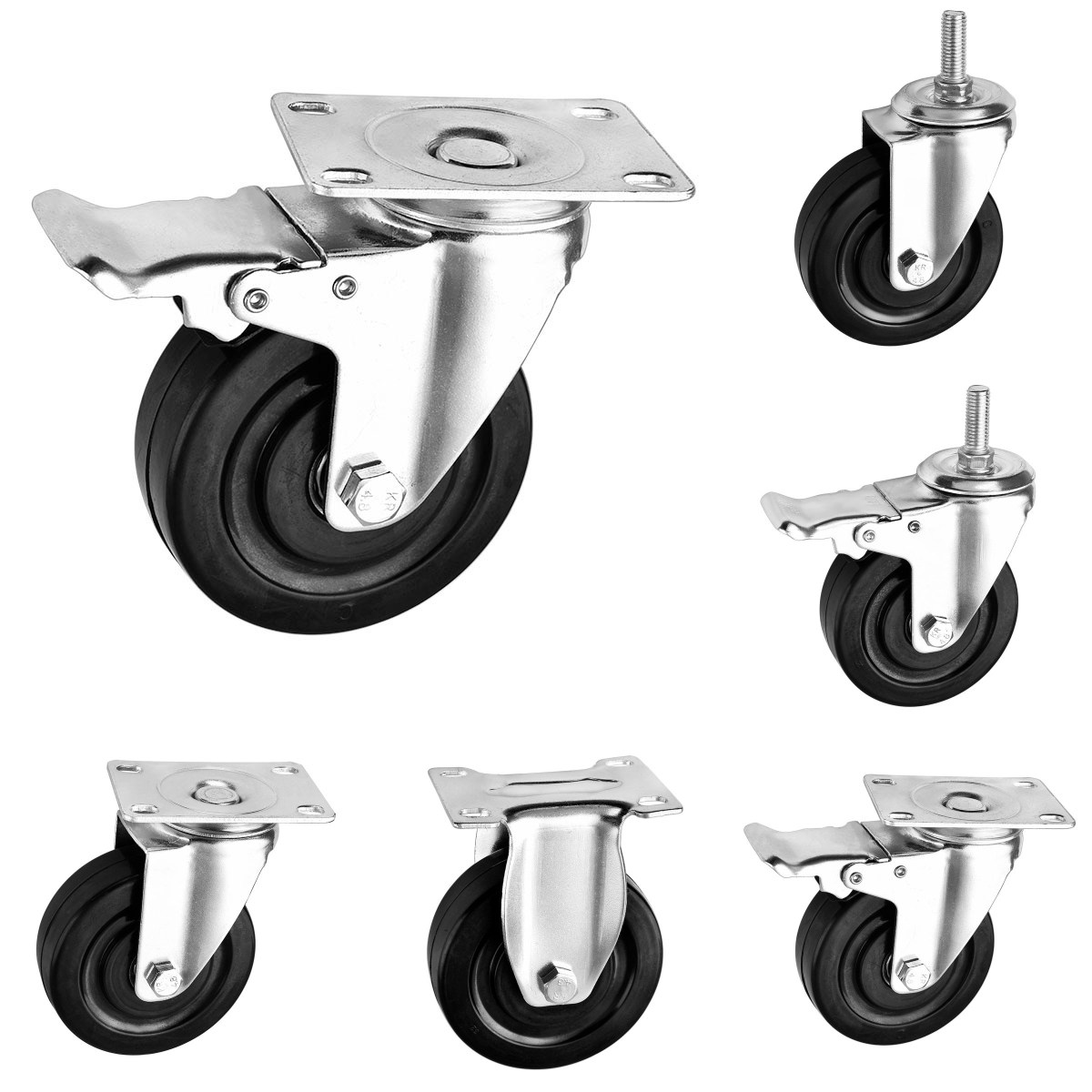
When carts or mobile equipment move across floors, friction between wheels and flooring materials generates static electricity. If this charge cannot dissipate properly, it may accumulate and discharge suddenly.
ESD caster wheels create a safe discharge path:
1.Static charge is generated during movement
2.Conductive or dissipative wheel materials transfer the charge
3.The charge travels through the caster frame
4.It passes into ESD flooring or conductive floor coatings
5.The facility grounding system safely dissipates the electricity
This controlled grounding path prevents static buildup and protects both equipment and personnel.
Installing ESD casters on mobile equipment offers several advantages for static-sensitive workplaces.
Sensitive electronic components can be permanently damaged by small electrostatic discharges.
Static electricity can interfere with precision instruments and measurement systems.
In chemical environments, static sparks can ignite flammable vapors.
Many electronics manufacturing facilities follow strict electrostatic control standards.
Preventing electrostatic discharge helps protect delicate instruments and production equipment.
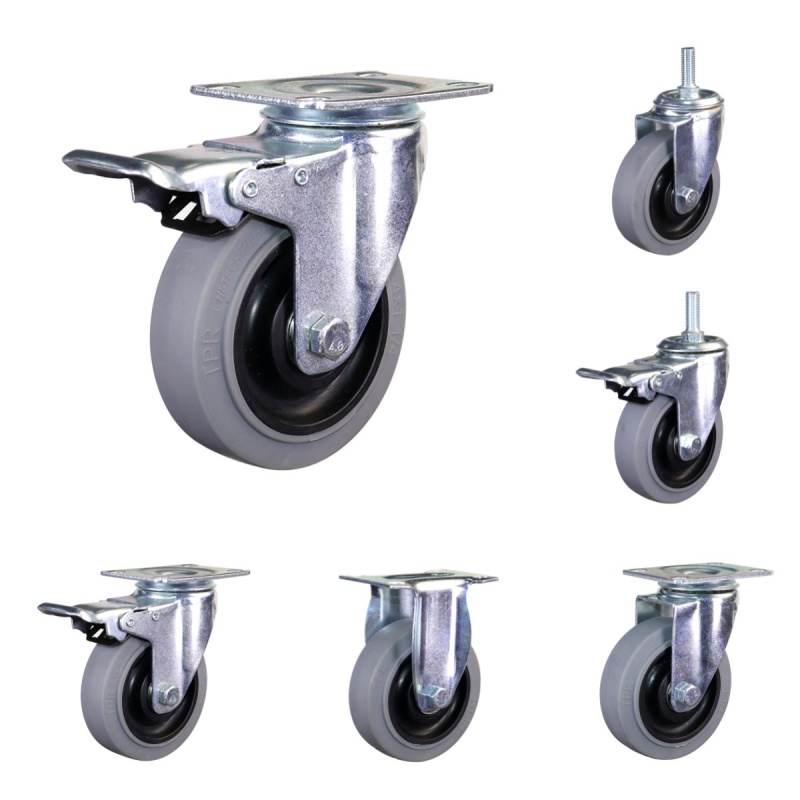
When selecting ESD caster wheels, several factors should be considered:
Certified electrical resistance range
Wheel material (conductive rubber, ESD polyurethane, etc.)
Load capacity and durability
Compatibility with ESD flooring systems
Compliance with recognized ESD standards
It is also important to verify that the caster has undergone proper resistance testing to ensure consistent anti-static performance.
CMCL® Casters is a professional supplier of ESD casters and heavy-duty industrial caster solutions. The company focuses on providing reliable mobility equipment for electronics manufacturing, cleanrooms, laboratories, and chemical processing environments.
All CMCL® anti-static casters products undergo strict testing to ensure stable electrical resistance and long-term durability in demanding industrial conditions.
Are regular casters acceptable in low-risk static environments?
In most static-controlled workplaces, regular casters are not recommended. Even low-level electrostatic discharge can damage sensitive electronic components or affect precision instruments.
How can I confirm a caster is truly anti-static?
Manufacturers should provide resistance testing reports. Genuine ESD casters typically maintain a stable resistance range between 106 Ω and 10⁹ Ω.