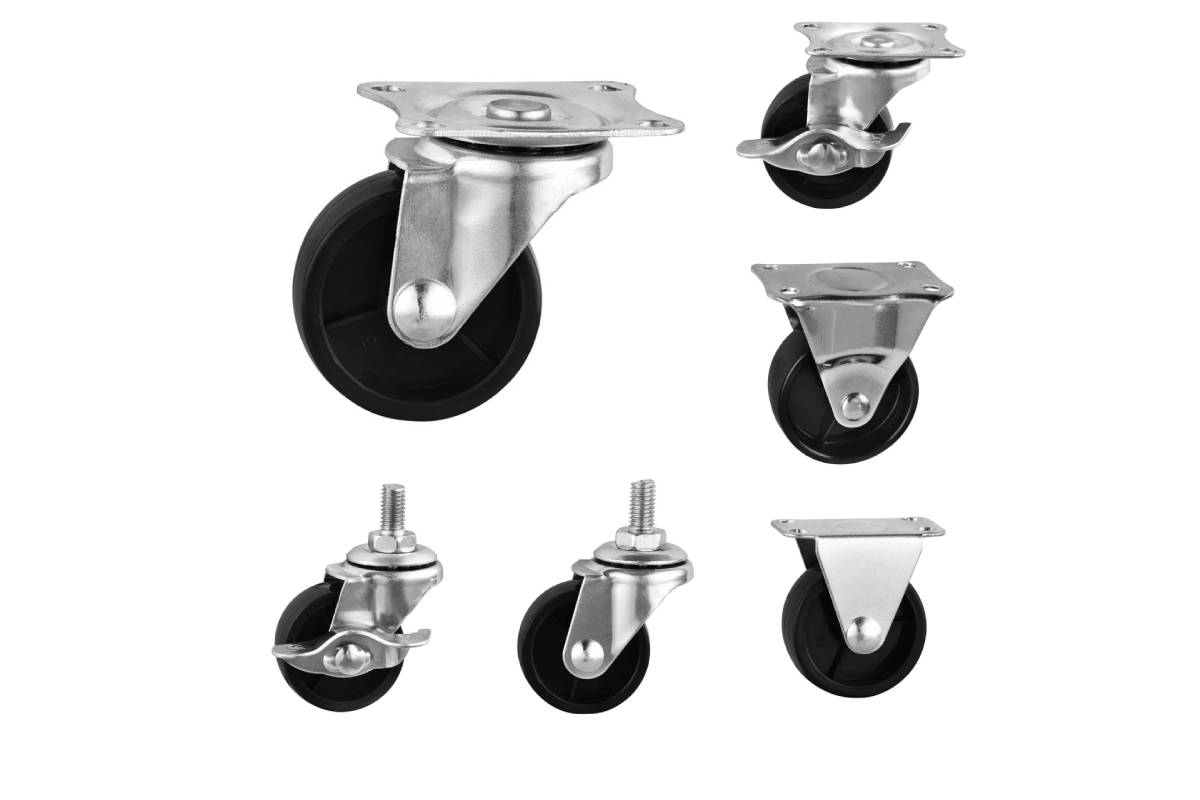

Knowing when to replace janitor cart casters helps reduce maintenance issues, improve maneuverability and maintain safe cleaning operations. Here are five common warning signs to watch for.
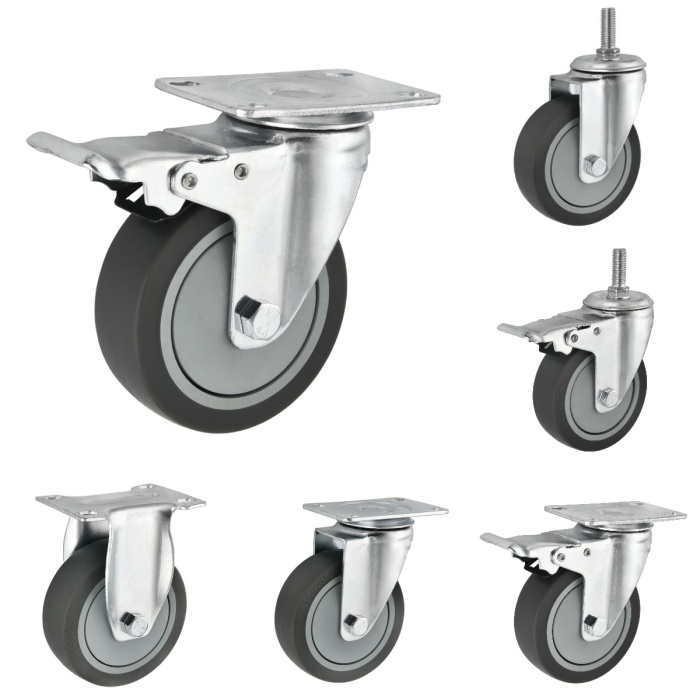
If the wheels become difficult to push or turn, the problem may be caused by debris buildup, worn bearings or a damaged swivel mechanism. Restricted movement can make cleaning staff work harder and reduce efficiency in busy corridors.
First, check for hair, dust and debris around the wheels. If cleaning does not restore smooth movement, inspect the caster for damaged or worn components and replace it when necessary.
Visible cracks, missing tread material, flat spots and uneven wear are clear signs that a caster wheel needs attention. Under excessive loads or prolonged static loading, some wheel materials may also develop permanent deformation.
Damaged wheels can cause vibration, uneven movement and potential floor damage. Inspect the wheel surface regularly, and replace wheels that are cracked, severely worn or no longer roll evenly.
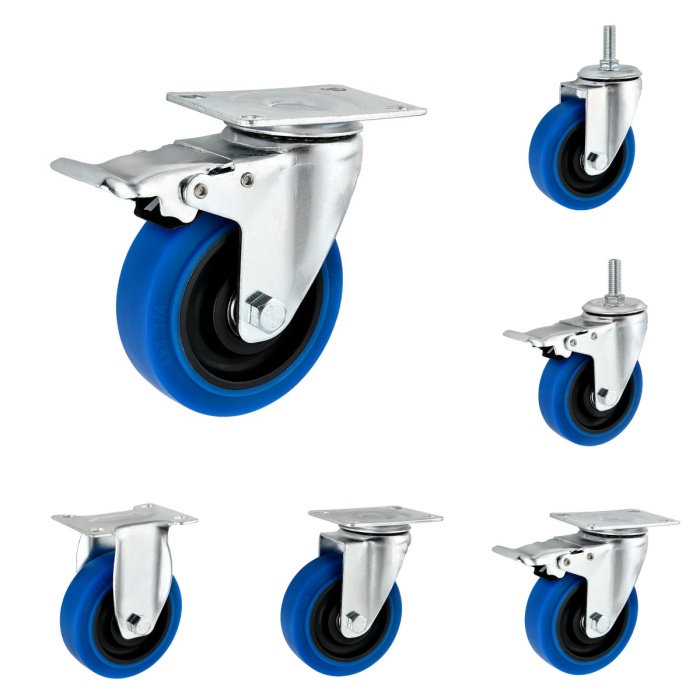
A janitor cart that wobbles from side to side may have worn bearings, loose fasteners, bent brackets or damaged mounting plates. These problems can affect stability, particularly when the cart carries a full load of cleaning supplies.
Check the mounting hardware and caster structure for visible damage. Tighten loose fasteners according to the manufacturer's instructions, but replace damaged components if wobbling persists. Do not continue using a cart with compromised caster support.
Unusual noises can indicate a problem with the wheel, bearings, swivel mechanism or mounting hardware. Minor squeaking may sometimes be resolved by cleaning or appropriate maintenance, while grinding sounds can indicate internal wear or damage.
Inspect the caster to identify the source of the noise. If the bearing or wheel is damaged, replacement may be necessary to restore smooth and reliable movement.
Caster brakes help keep a cleaning cart stationary during loading, unloading and cleaning tasks. If a brake no longer holds the cart securely, the cart may move unexpectedly and create a safety risk.
Remove the cart from service until the problem is corrected. Depending on the caster design and extent of the damage, the brake assembly or the complete caster may need replacement. Always verify that the braking system works properly before returning the cart to use.
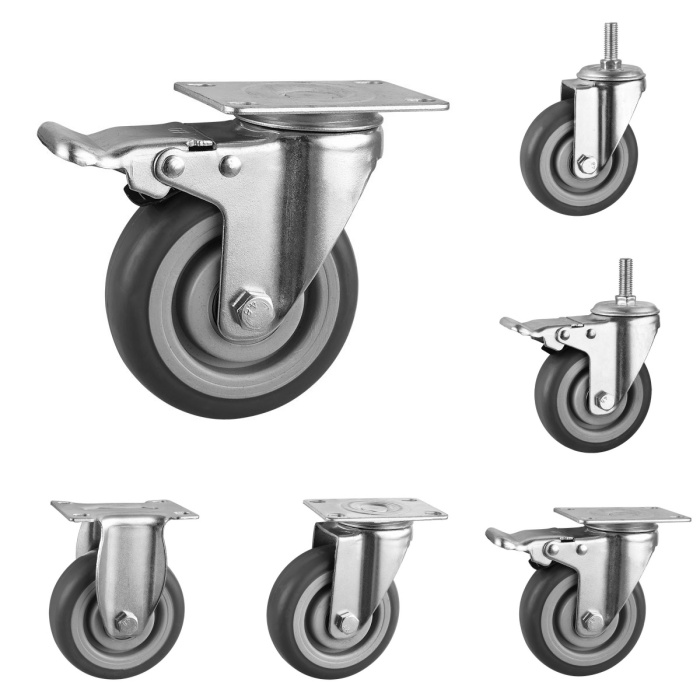
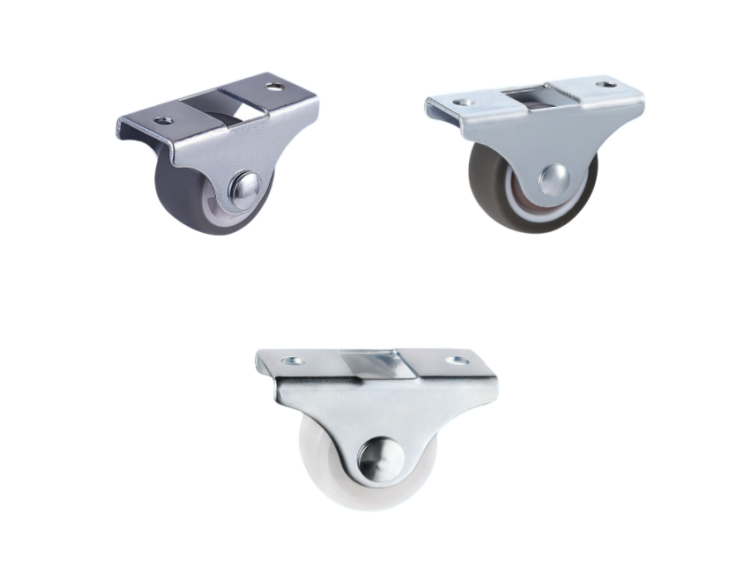
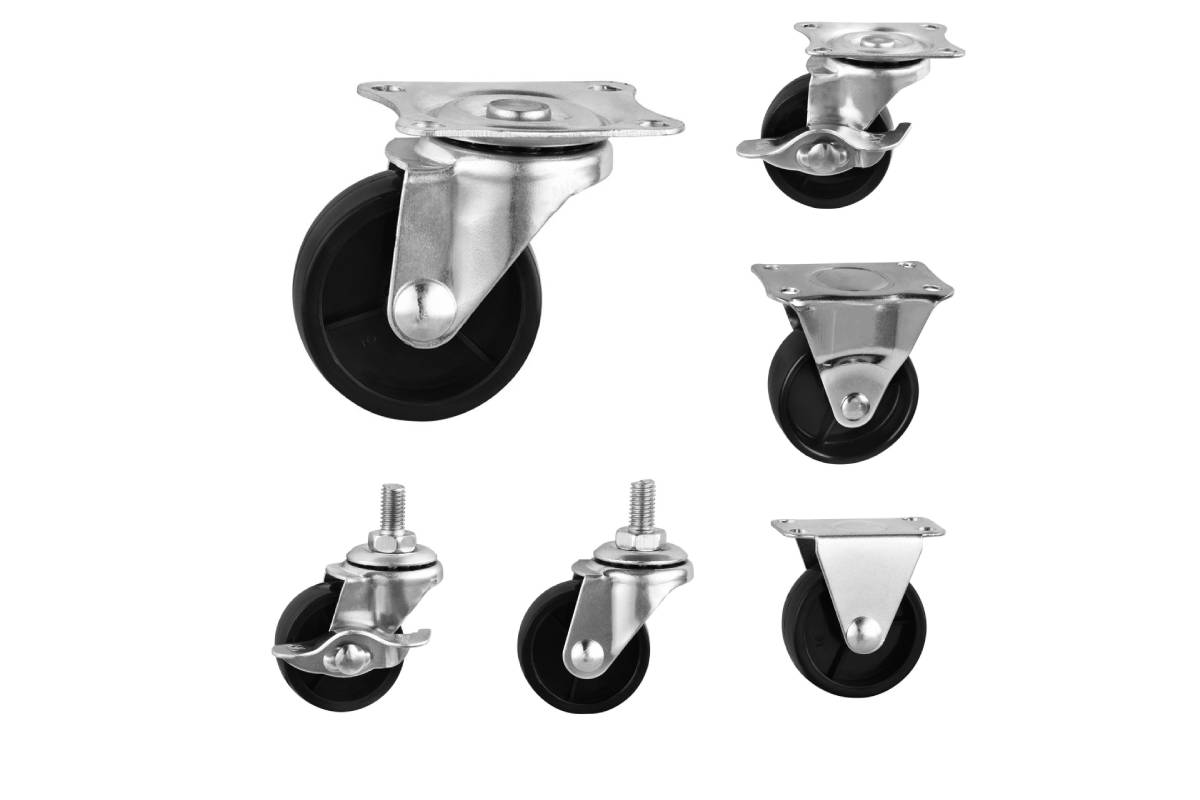
When replacing worn janitor cart casters, check the wheel diameter, mounting dimensions, load capacity and brake configuration. The replacement should fit the cart correctly and support its maximum operating load under actual working conditions.
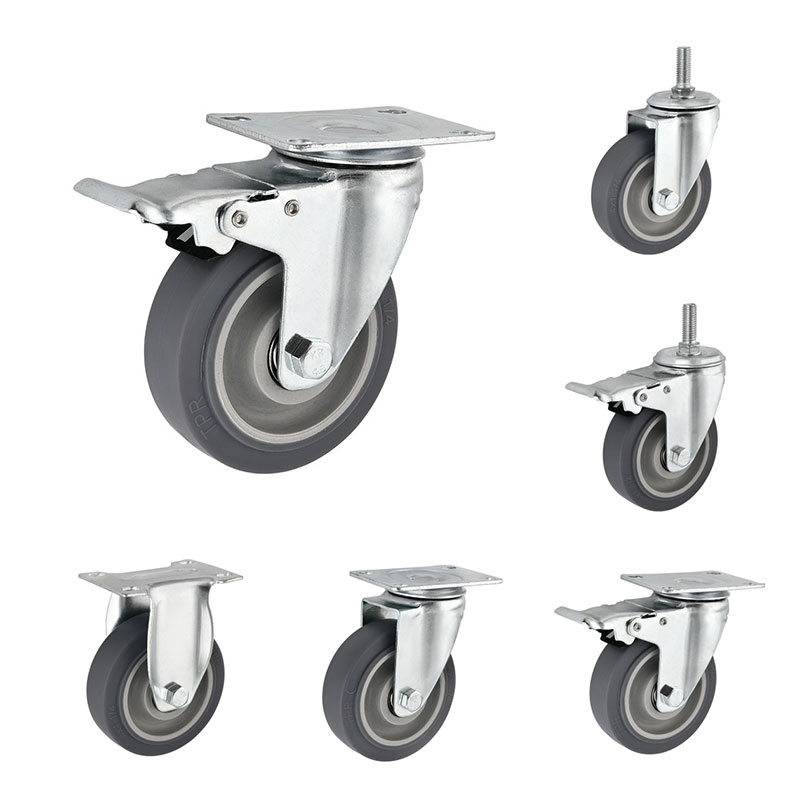
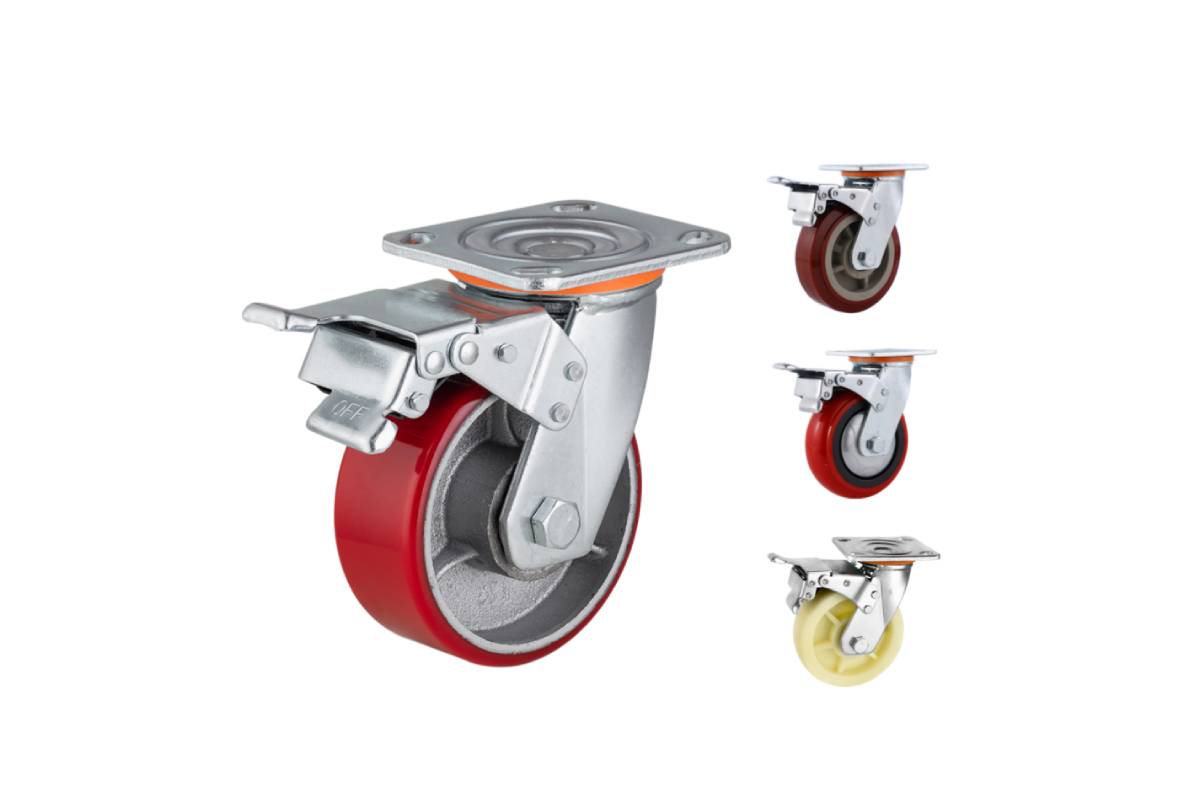
For indoor cleaning carts, TPR caster wheels may be a suitable option when low rolling noise and floor protection are priorities. PU wheels may also be appropriate for applications requiring good abrasion resistance and load-bearing performance. The best choice depends on the wheel specification, floor surface and operating environment.
If you need help selecting the right specifications, refer to our related guide: Janitor Cart Caster Guide: How to Pick Casters for Cleaning Trolleys.
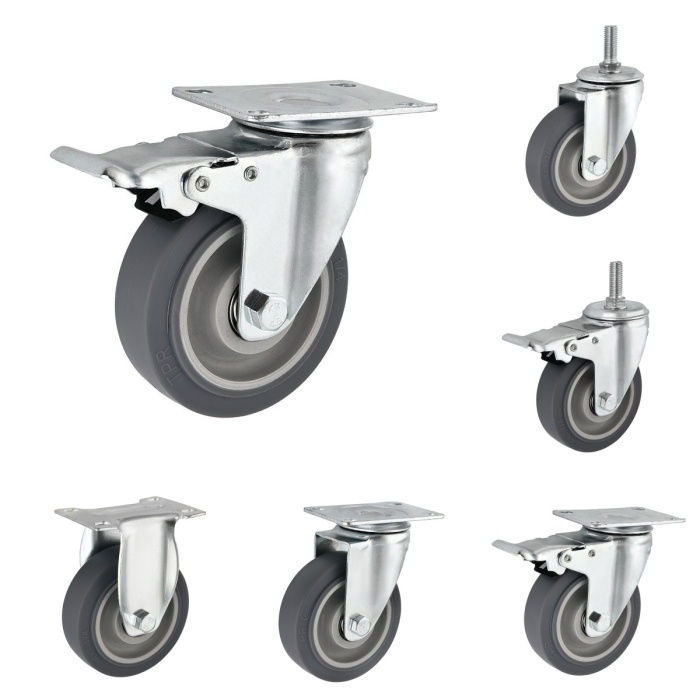
CMCL Casters supplies caster solutions for commercial equipment applications, including janitor carts and cleaning trolleys. Depending on the product configuration, available options may include different wheel materials, mounting types and braking systems. The company has obtained ISO 9001 quality management system certification. Its products can pass a 24-hour salt spray test, and most products comply with EU RoHS environmental requirements, subject to the applicable product specifications.
For OEM projects or bulk replacement orders, our team can help evaluate suitable caster configurations based on your load requirements, wheel dimensions, mounting specifications and working environment.
Regular inspection helps identify caster problems before they disrupt daily cleaning operations. Check wheel surfaces, bearings, mounting hardware and brakes according to the cart's usage frequency and operating conditions. Carts used heavily or exposed to water, cleaning chemicals and debris may require more frequent inspections.
Replacing damaged casters promptly can help maintain smooth movement, improve cart stability and reduce avoidable maintenance costs.
Contact CMCL Casters to discuss suitable caster options for your cleaning cart applications.