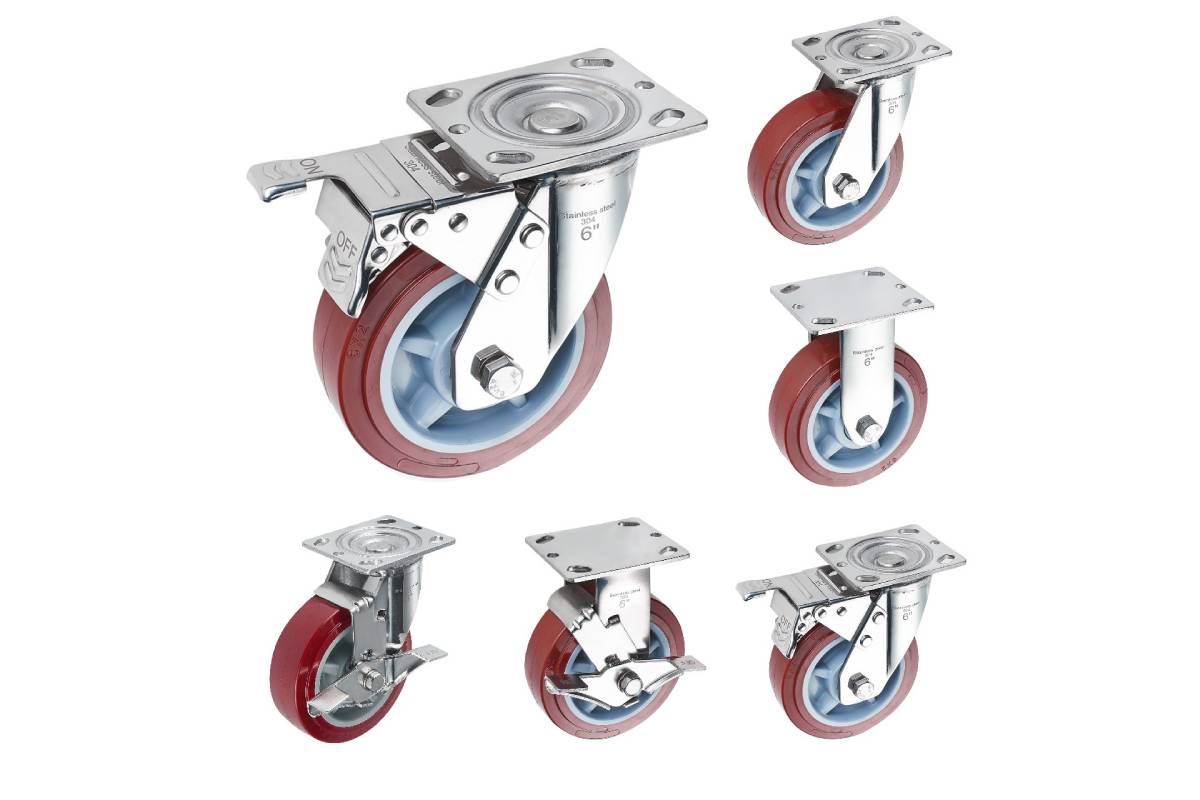

Data server cabinets house servers, switches, and other essential IT equipment. Although many cabinets stay in one place during daily operation, suitable casters make installation, maintenance, and equipment relocation easier.
Choosing the right server rack cabinet casters requires careful consideration of load capacity, mounting dimensions, wheel material, and braking performance.
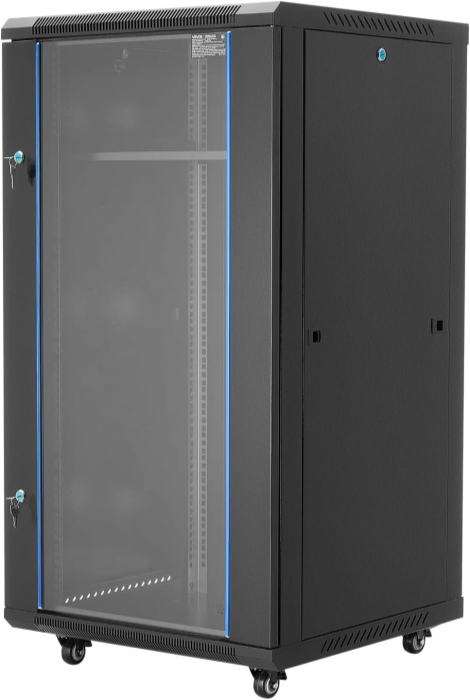
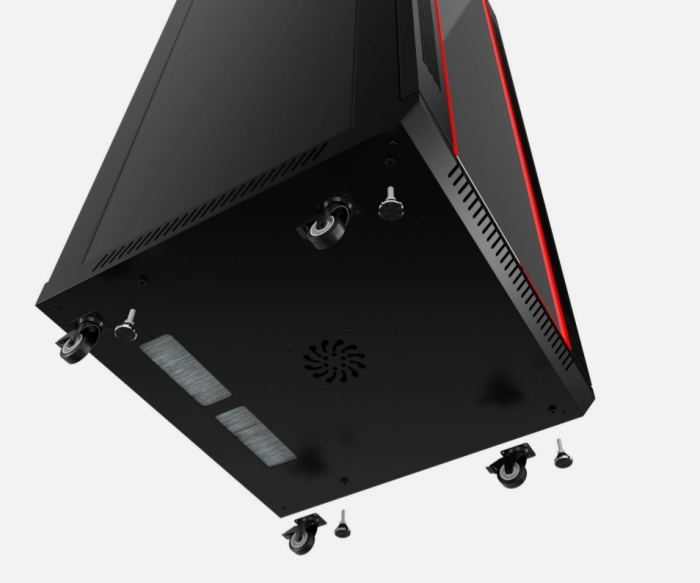
Server cabinets can become much heavier after servers, UPS units, and networking equipment are installed. Always calculate the total loaded weight before selecting casters.
As a starting point, divide the total weight by the number of supporting casters and allow an appropriate safety margin. Uneven load distribution and floor obstacles can increase the load on individual wheels.
For heavy server racks, confirm both the caster's rated capacity and the strength of the cabinet's mounting structure.
Wheel material affects rolling resistance, noise, wear, and floor protection.
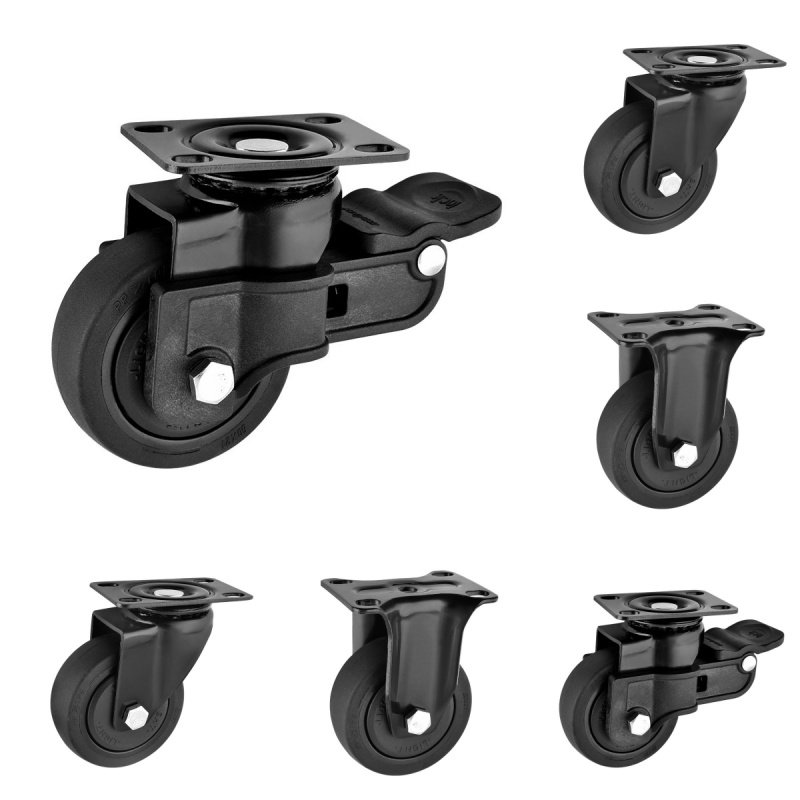
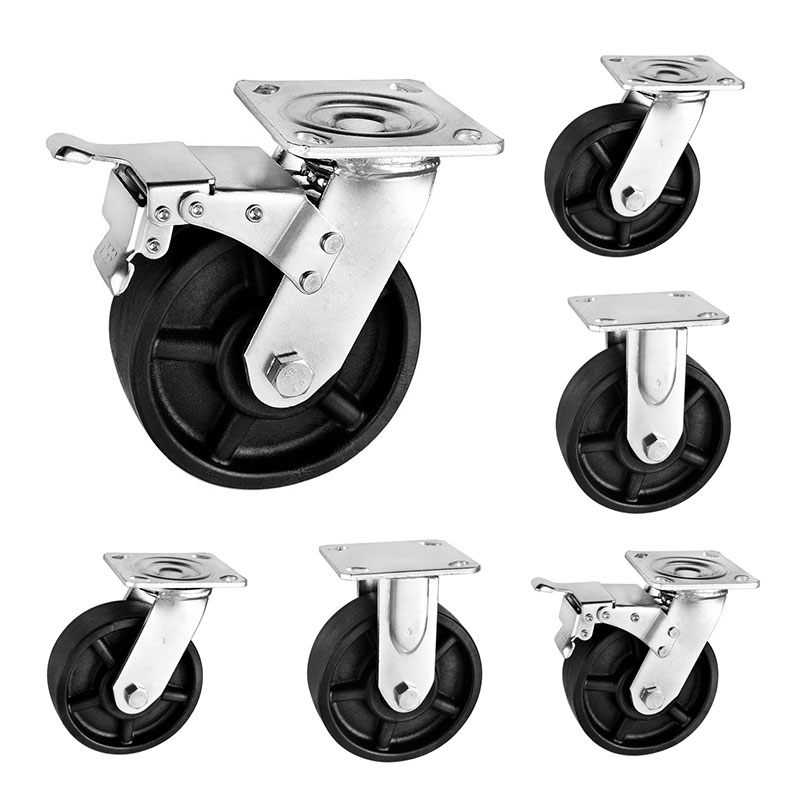
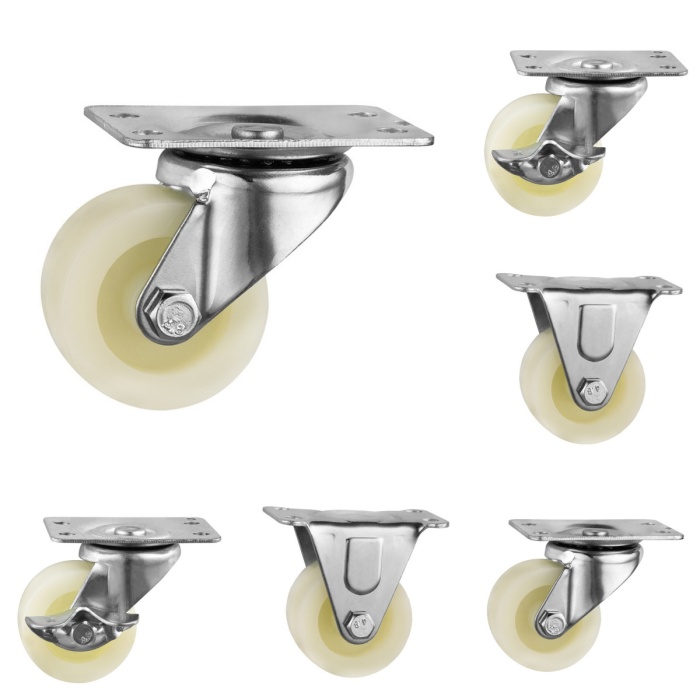
General duty casters: Suitable for lightweight or moderately loaded cabinets when the selected model meets the required load and installation specifications.
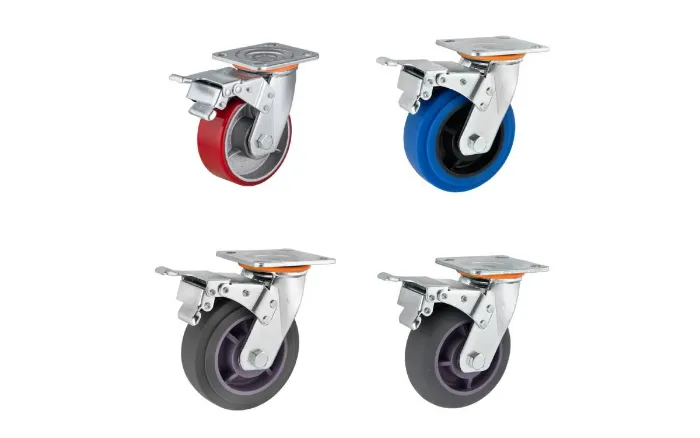
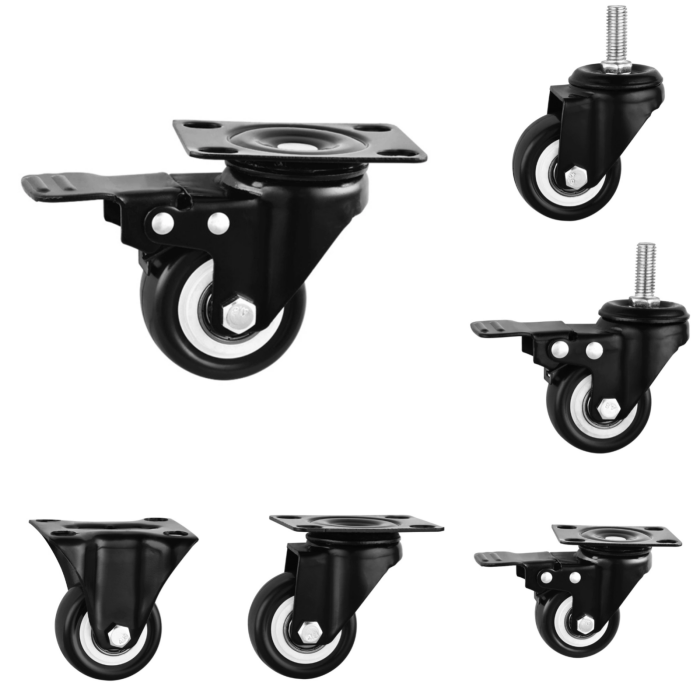
PU casters: Polyurethane wheels are worth considering when smooth movement, wear resistance, and protection for compatible floor surfaces are important.
The best option depends on cabinet weight, movement frequency, and floor conditions.
Before purchasing replacement casters, check the mounting plate or stem, bolt-hole spacing, overall height, and available clearance beneath the cabinet.
Swivel casters can improve maneuverability in confined equipment rooms, while fixed casters may help guide movement in a straight line. Locking casters can reduce unwanted movement during positioning, but they do not replace proper cabinet stabilization.
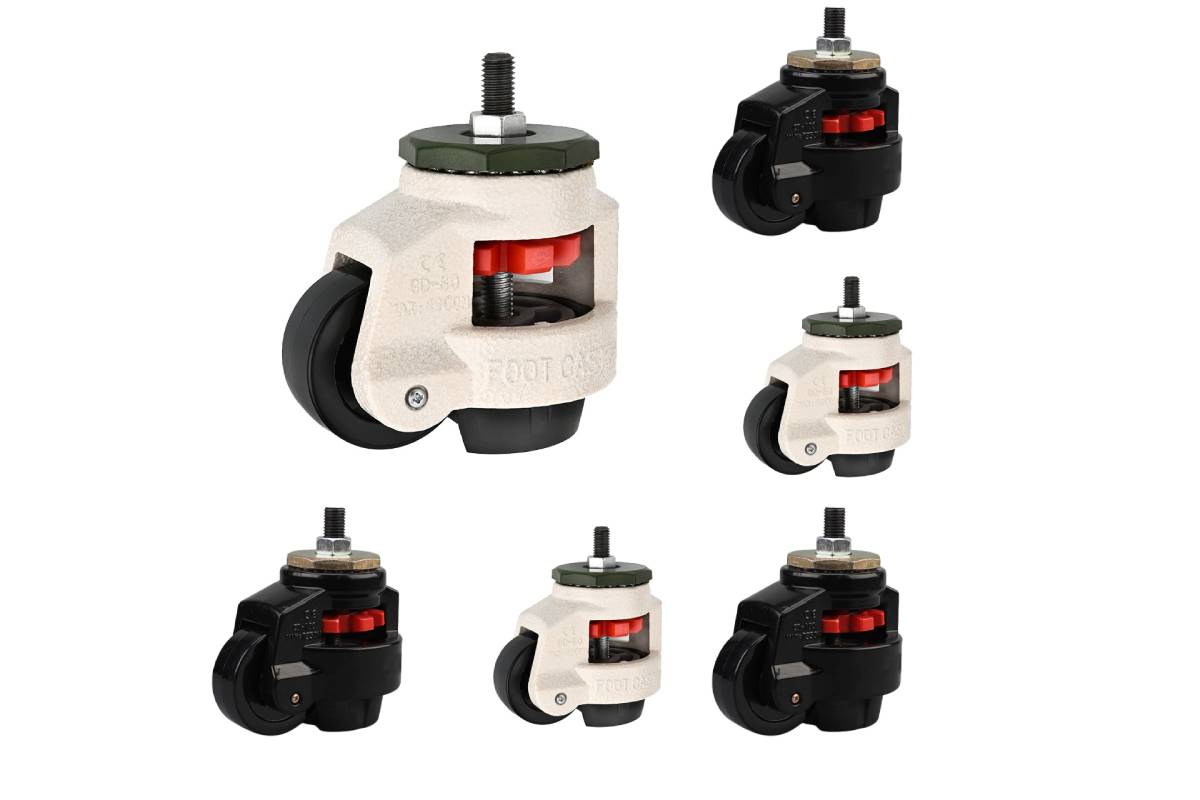
Always follow the cabinet manufacturer's instructions for leveling feet or other stationary supports.
Server cabinets may operate on concrete, tile, finished floors, or raised-access flooring. Confirm that the floor can support the cabinet's total weight and that the casters are compatible with the surface.
For electrostatic-sensitive environments, check whether ESD or static-dissipative casters are required. Standard PU wheels should not automatically be treated as ESD-safe.
CMCL Casters provides caster solutions for different equipment applications. When selecting general duty casters or PU casters for data server cabinets, buyers should confirm the required load capacity, wheel diameter, mounting dimensions, and braking configuration.
Providing these specifications helps narrow down suitable options for the intended cabinet design.
Choosing the right data server cabinet casters starts with the fully loaded weight, mounting compatibility, floor conditions, and stabilization requirements. General duty and PU casters are both worth considering, provided the selected model meets the application's specifications.
Contact CMCL Casters with your cabinet requirements to discuss a suitable caster configuration.