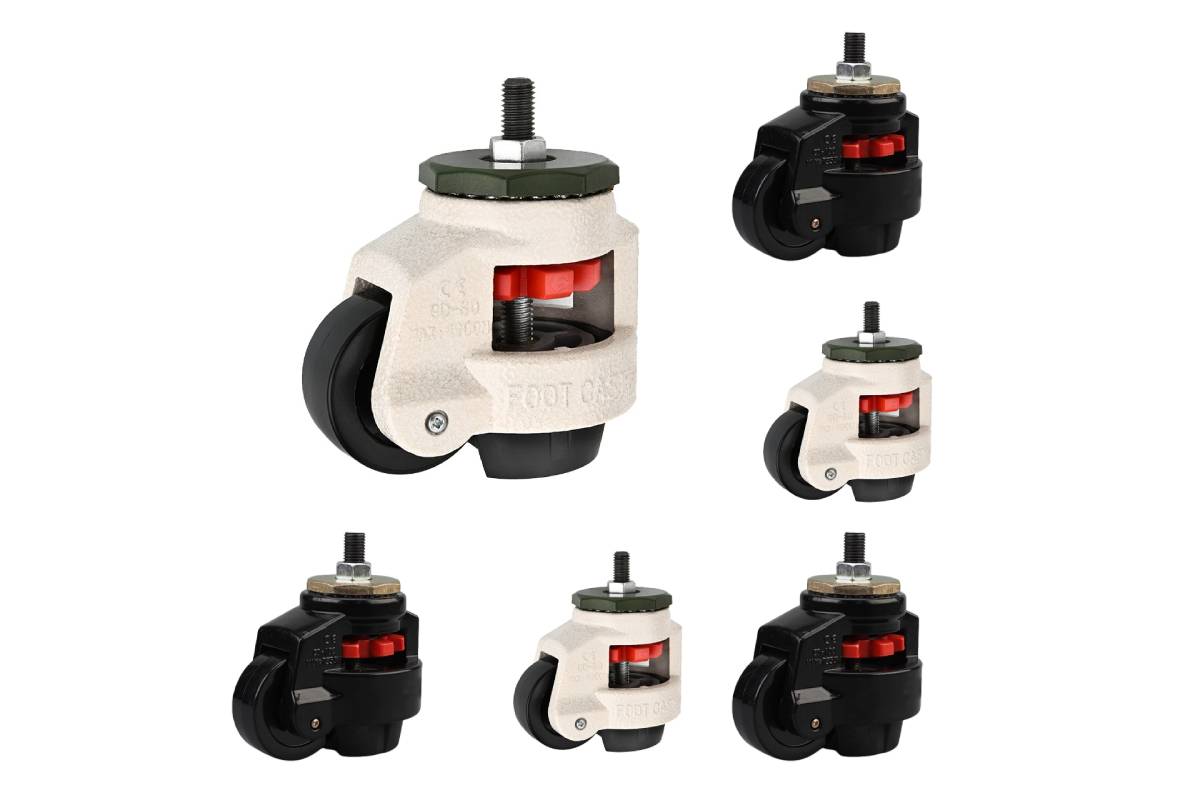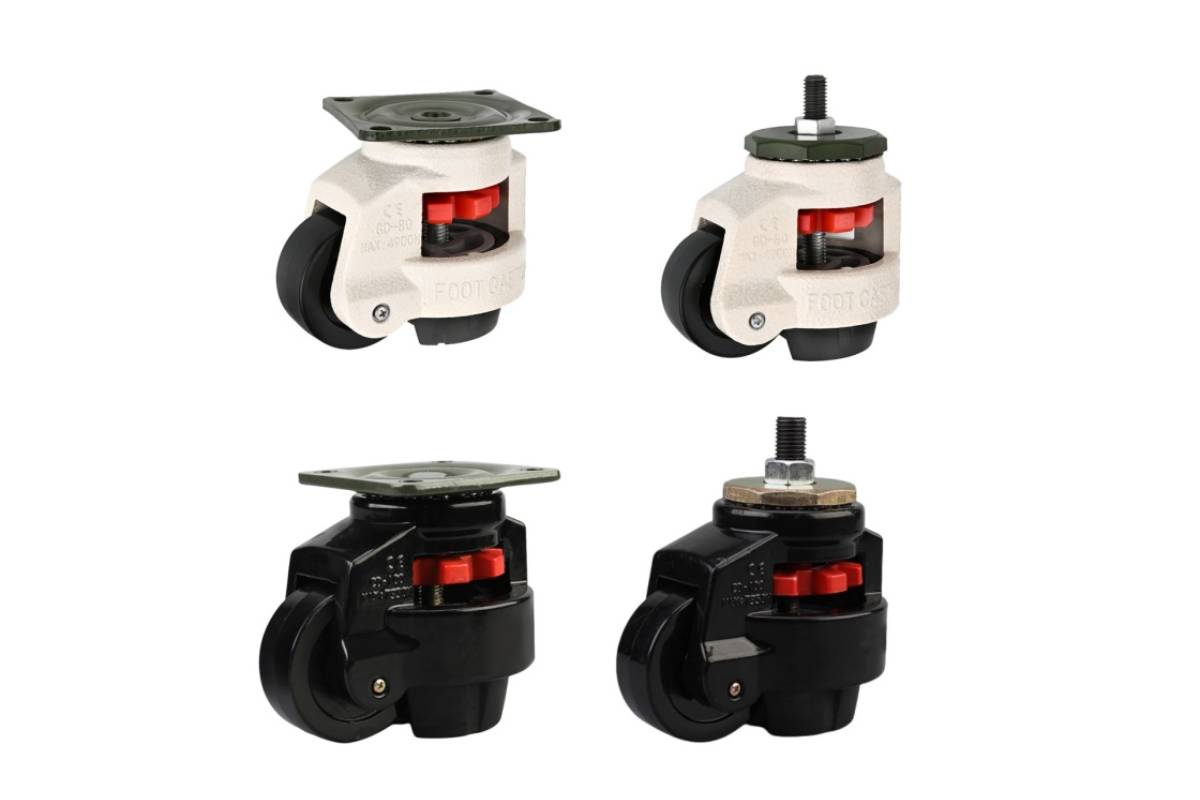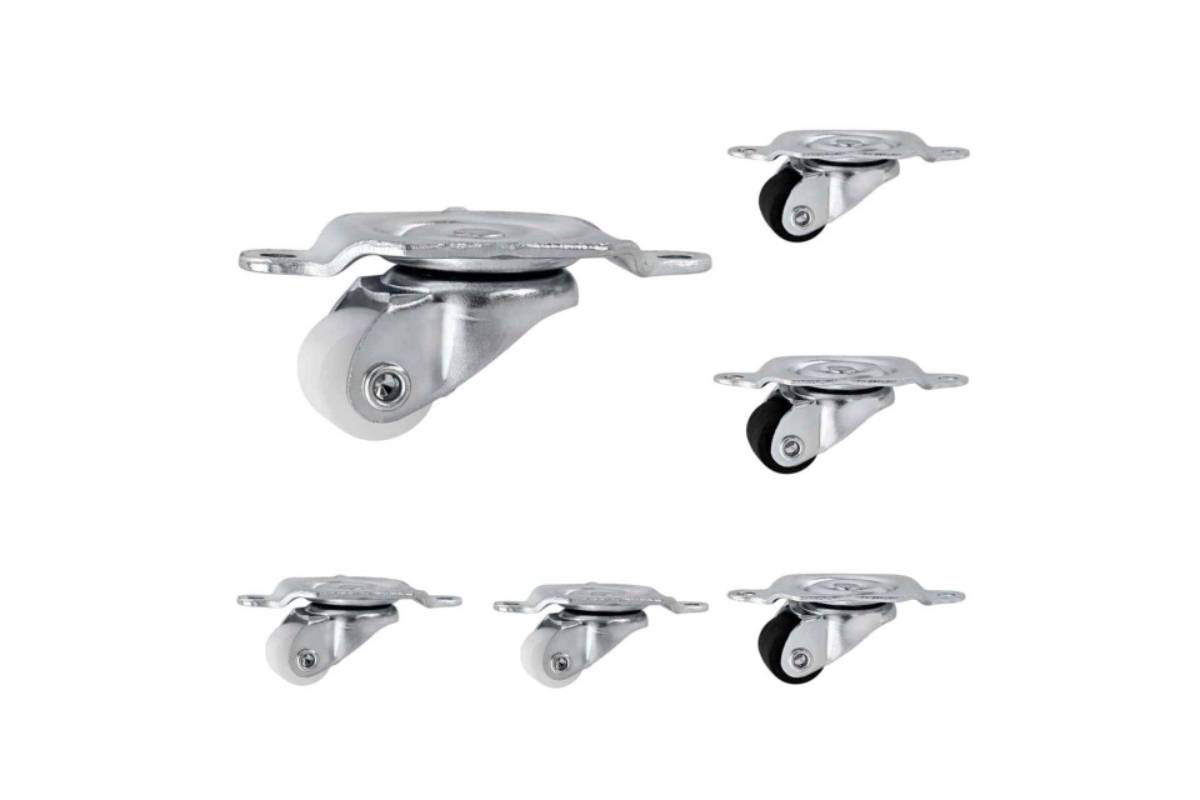

Janitor carts are widely used in hotels, hospitals, offices and commercial facilities to transport cleaning supplies, towels and waste bags. Although the cart frame and storage capacity often receive the most attention, caster wheels directly affect maneuverability, rolling noise, floor protection and daily maintenance.
Choosing the right casters for janitor carts starts with understanding the load, floor surface, operating environment and required mobility. This guide covers five key factors to help cleaning equipment manufacturers and facility managers select suitable caster wheels.
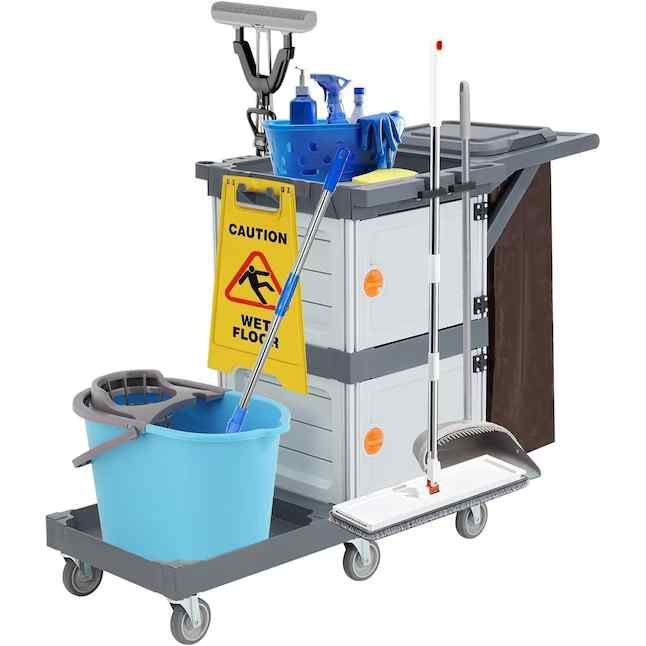
Load capacity is one of the first factors to consider when selecting janitor cart casters. A cart carrying buckets, cleaning chemicals and waste bags can become considerably heavier during operation.
Calculate the combined weight of the cart and its maximum load. Then determine how the load is distributed across the casters. On uneven floors, not all four wheels may share the load equally, so a conservative load calculation and an appropriate safety margin are important.
When choosing replacement or OEM casters, check the manufacturer's rated load capacity and consider dynamic forces caused by thresholds, floor joints and frequent turning.
Avoid selecting casters based on static weight alone. The cart's operating conditions and load distribution also affect caster performance and service life.
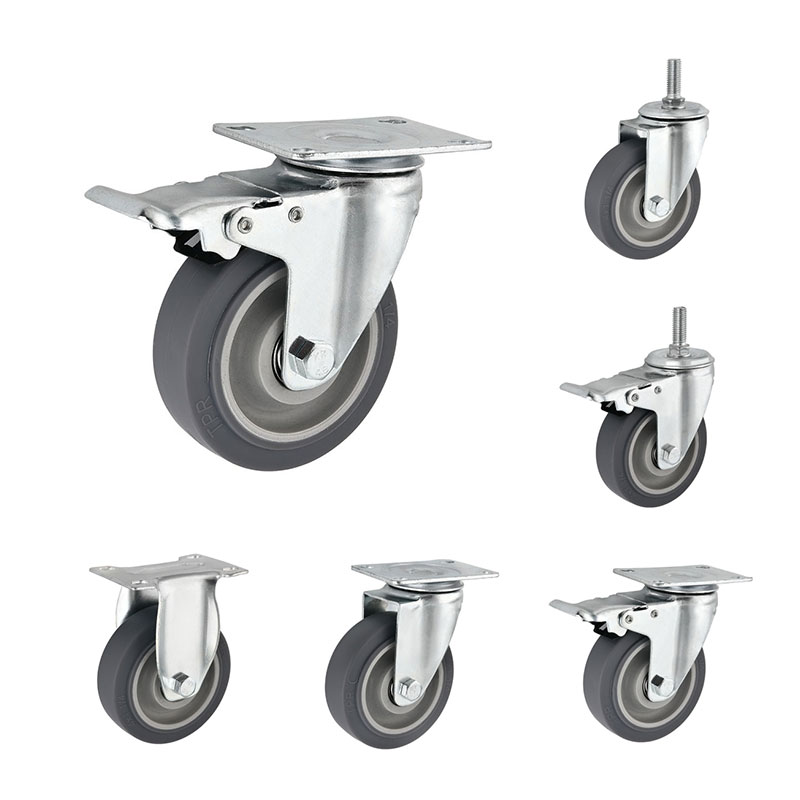
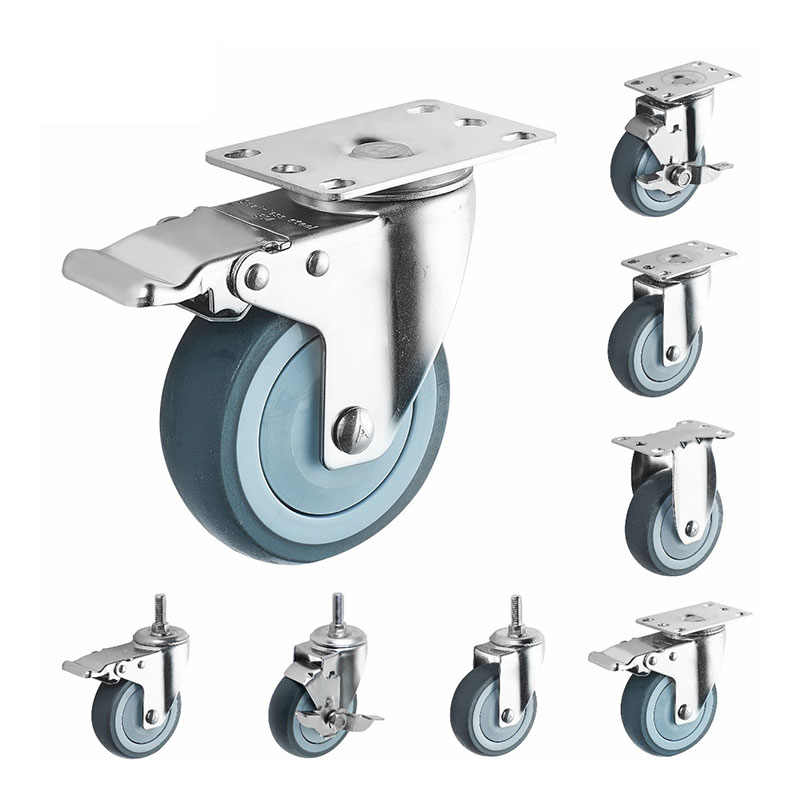
Wheel material influences rolling resistance, noise, floor protection and resistance to wear. For indoor cleaning trolleys, TPR and PU are common options, while nylon may be suitable for certain hard-floor or back-of-house applications.
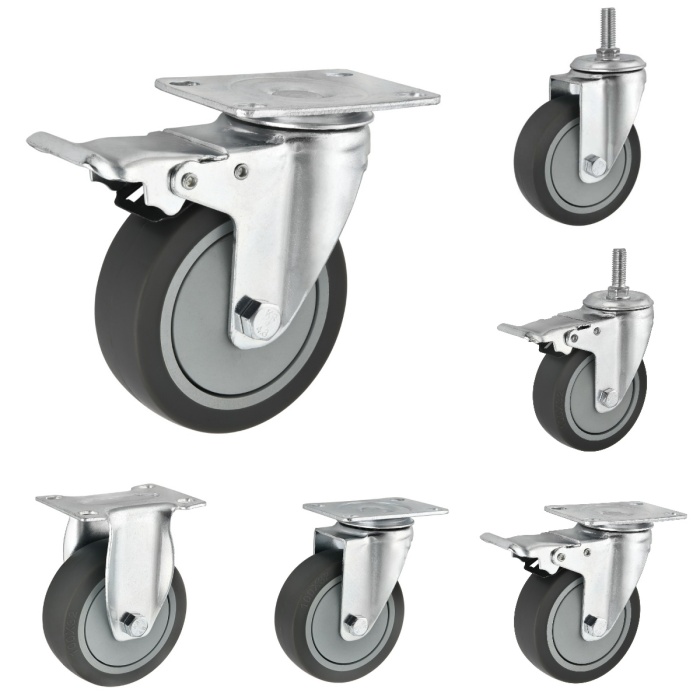
TPR caster wheels: Often suitable for hotels, offices and other indoor environments where low rolling noise and non-marking performance are priorities. Their suitability depends on the wheel compound, load and floor conditions.
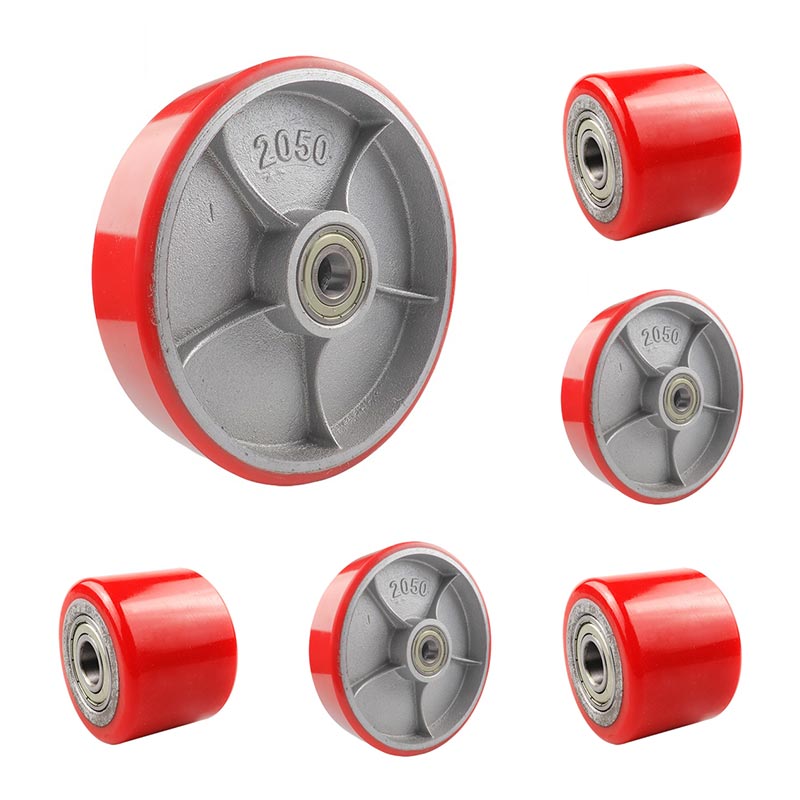
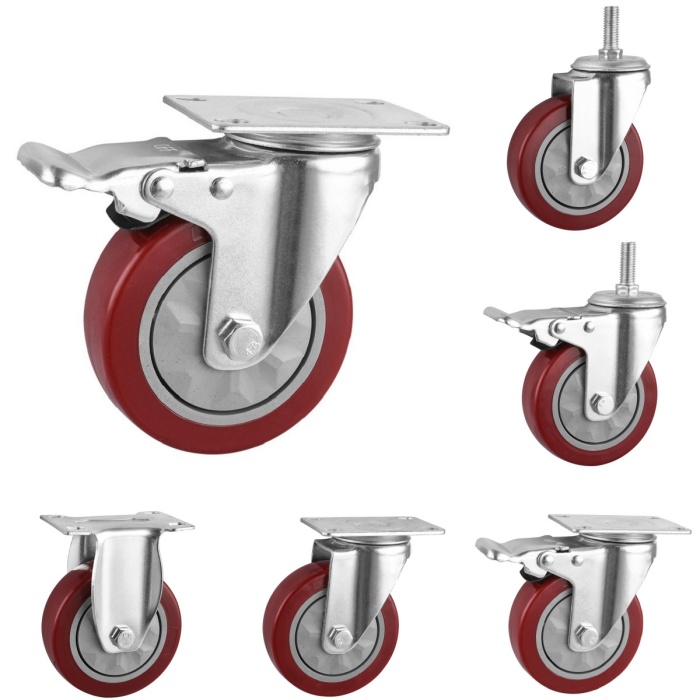
PU caster wheels: Offer good abrasion resistance and load-bearing performance in many applications. They can be a practical option for carts carrying heavier supplies, depending on the specific wheel design.
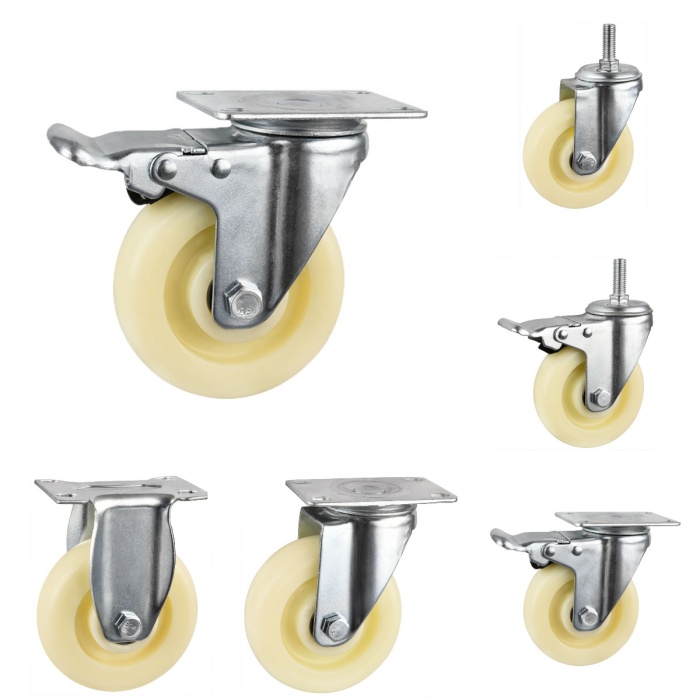
Nylon caster wheels: Hard and wear-resistant, with low rolling resistance on suitable hard surfaces. They may produce more noise and may be less suitable for delicate flooring.
For most indoor janitorial applications, TPR is worth considering when quiet movement and floor protection are important. However, the best material depends on the cart's actual working conditions rather than a single material being suitable for every application.
Caster configuration affects how easily a cleaning cart turns and maintains its direction.
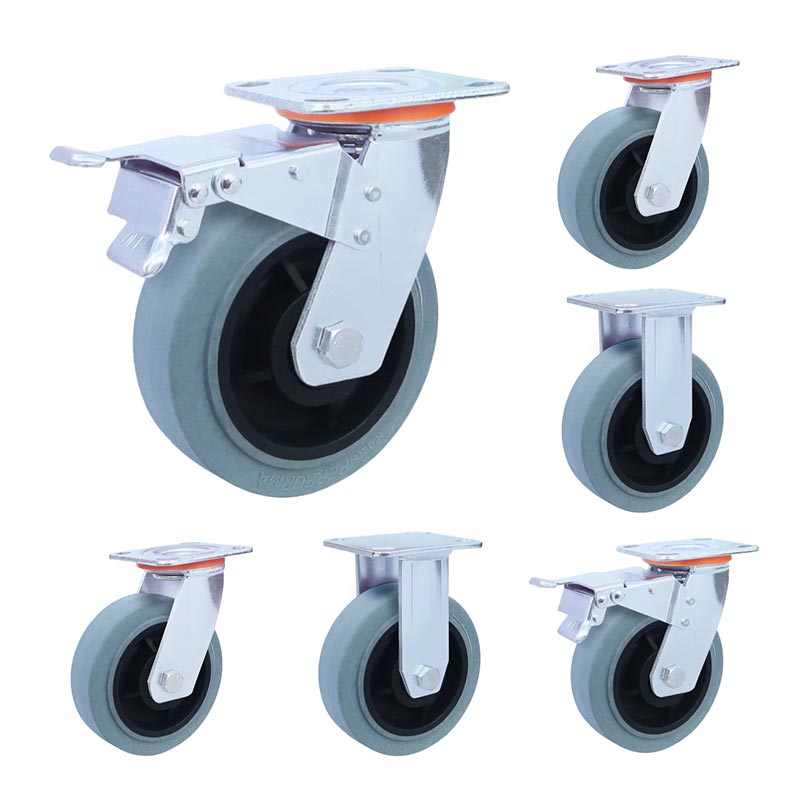
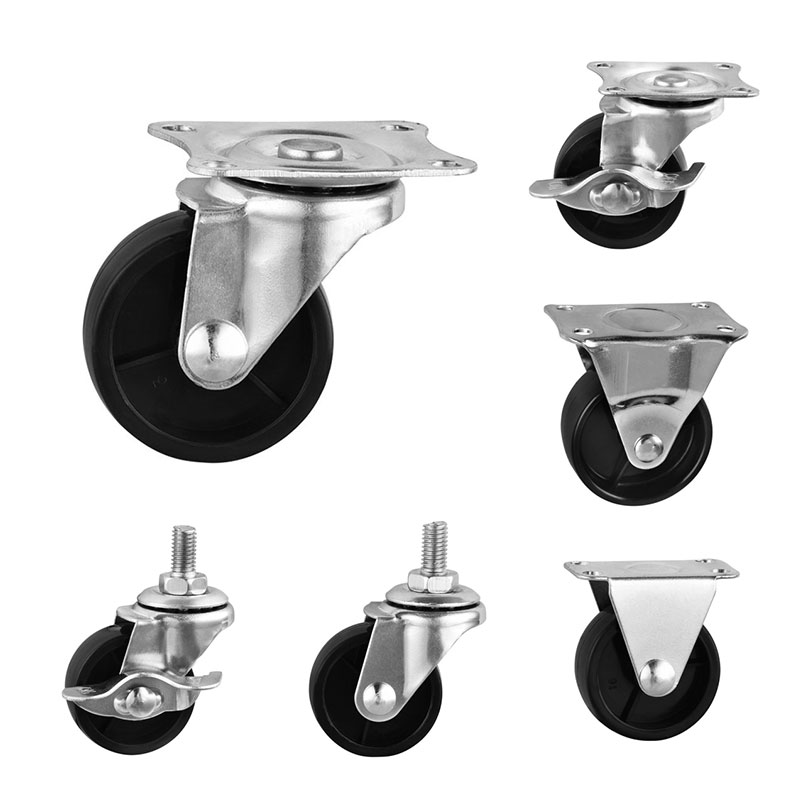
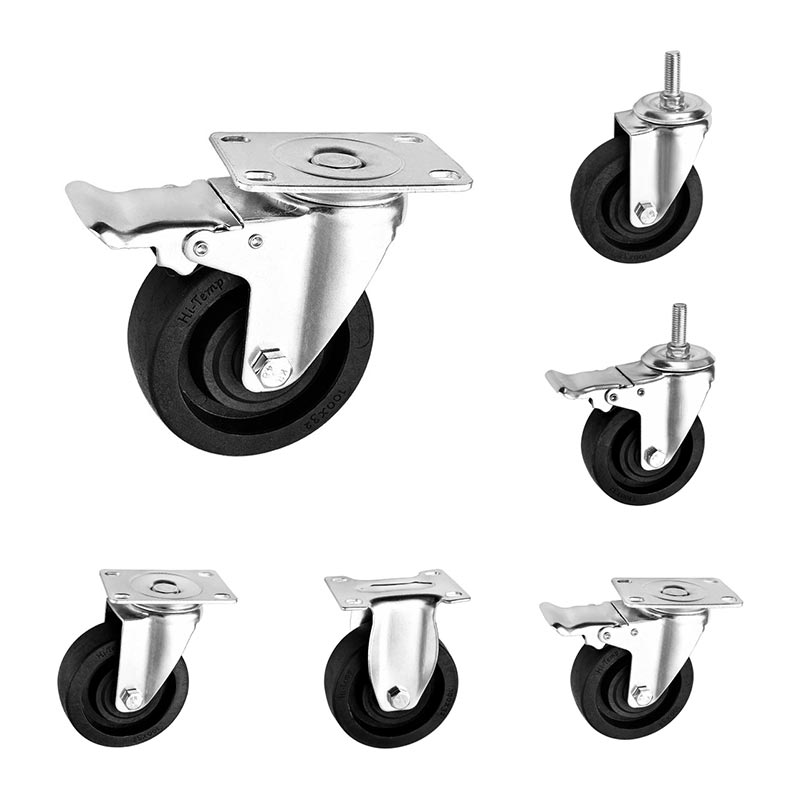
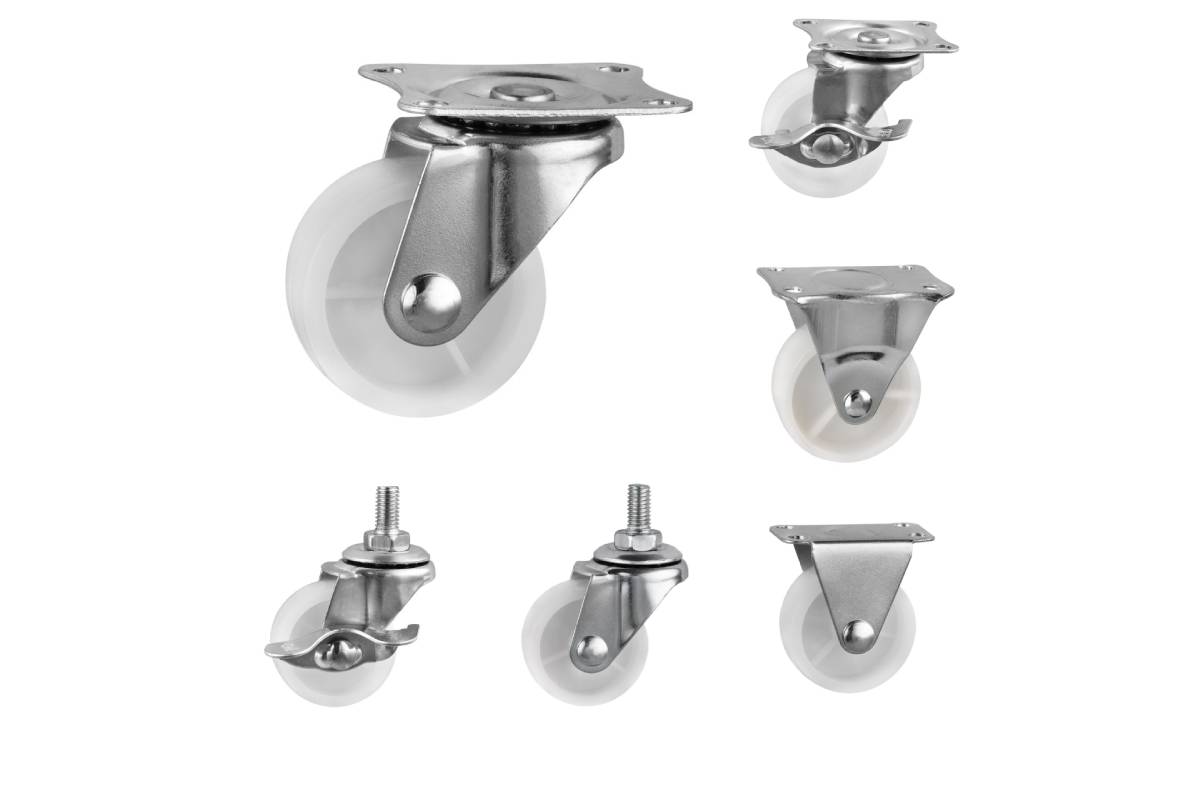
Swivel casters rotate to help the cart maneuver through narrow corridors, elevators and crowded rooms. Rigid casters maintain a fixed travel direction and can improve straight-line tracking.
A common configuration is two swivel casters and two rigid casters, although four swivel casters may be preferable when maneuverability is the main priority. The appropriate setup depends on the cart design, load distribution and handling requirements.
Brakes are useful when a cart needs to remain stationary during loading, unloading or cleaning tasks. A total-lock brake can lock both wheel rotation and swivel movement when the caster is designed with this feature.
For carts used on slopes or in busy walkways, assess the braking requirements carefully. Always confirm that the brake configuration is compatible with the caster and cart design.