
Residential energy storage cabinets are becoming more compact, modular, and easier to install. For stackable battery systems, however, the hardware underneath the cabinet still needs to accommodate a relatively high equipment weight within a limited installation space.
This creates a specific caster requirement. The caster needs to fit the cabinet's bottom structure, provide sufficient load capacity, and allow the equipment to be repositioned when necessary without making the cabinet unnecessarily tall.
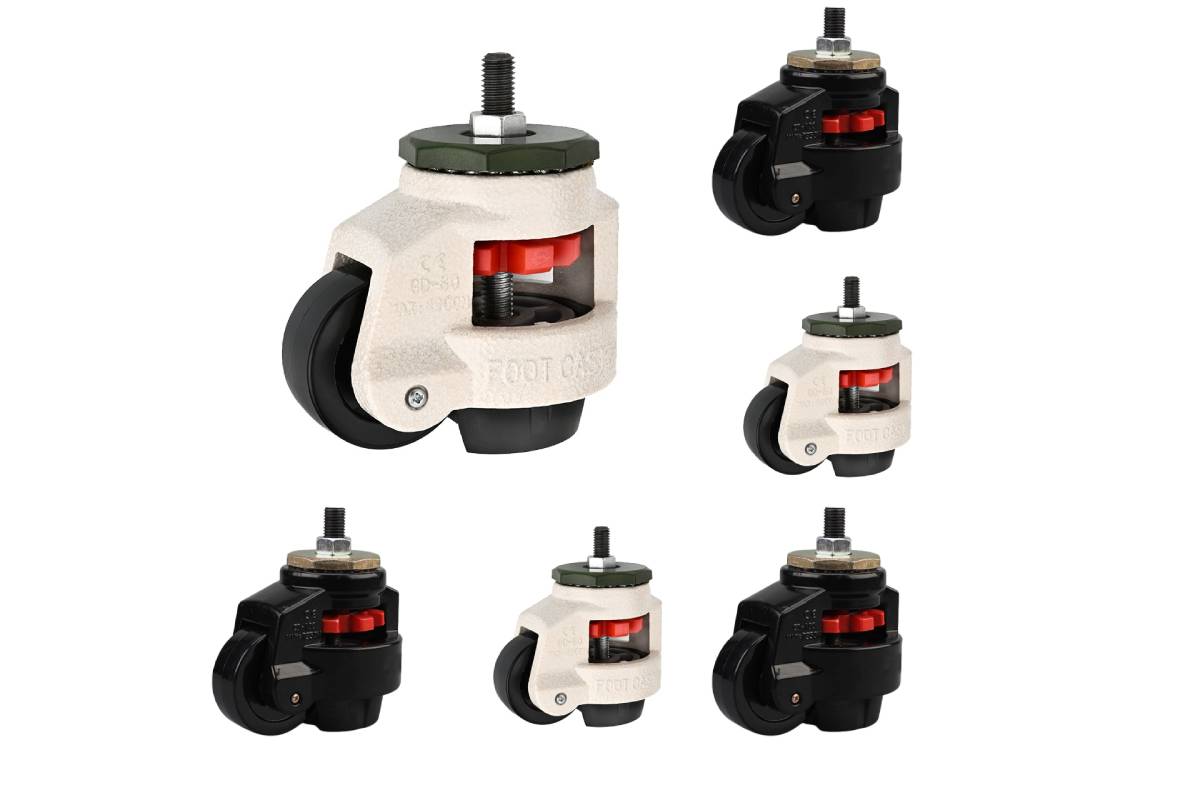
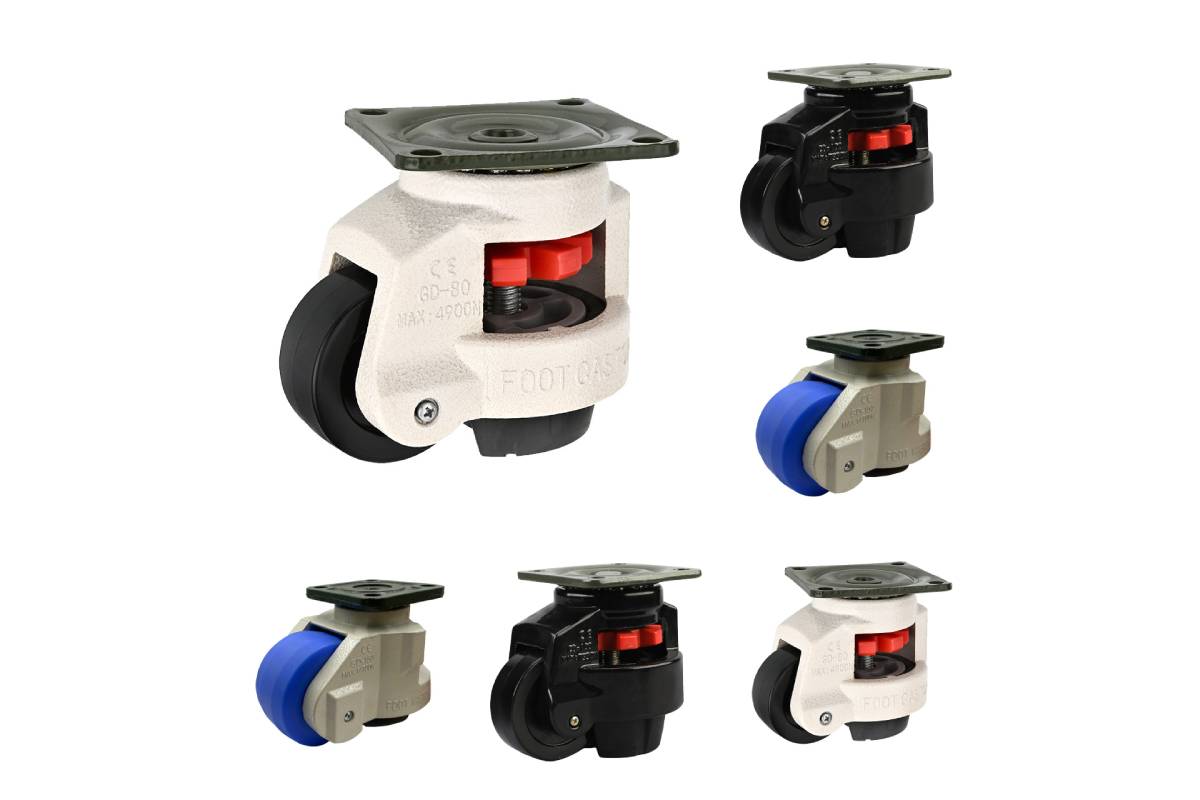
For manufacturers developing residential stackable energy storage battery cabinets, heavy duty leveling casters can be a practical hardware option because the caster and adjustable support mechanism are integrated into one assembly.
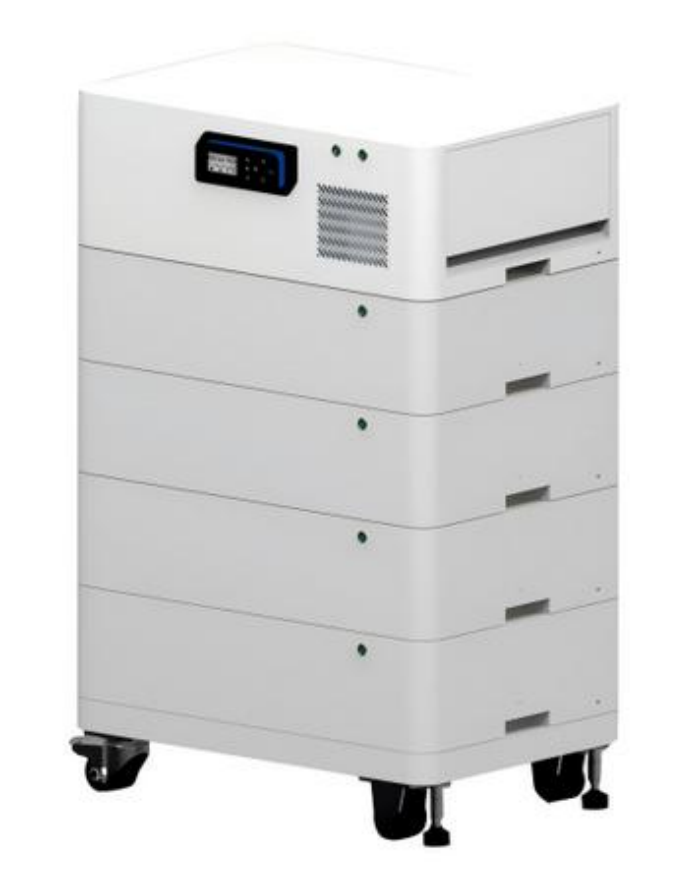
A caster used under an energy storage cabinet is not simply a small wheel attached to the enclosure.
The cabinet may contain multiple battery modules, electrical components, cooling systems, and protective structures. As the system becomes heavier, the caster must work within the available mounting space while maintaining sufficient mechanical strength.
For stackable cabinet designs, several characteristics are particularly relevant:
· Sufficient load rating for the complete cabinet
· Compact mounting dimensions
· Appropriate overall caster height
· Suitable wheel material for the installation floor
· Reliable swivel movement when the cabinet is repositioned
· Adjustable support for stationary installation
· Mounting plates and hole patterns compatible with the cabinet frame
The right configuration therefore depends on the cabinet design rather than simply choosing the largest available caster.
For residential energy storage equipment, one caster size does not necessarily fit every cabinet.
Different battery capacities, cabinet dimensions, and bottom-frame structures can result in significantly different load requirements. CMCL provides two main leveling caster configurations that can be considered for these applications.
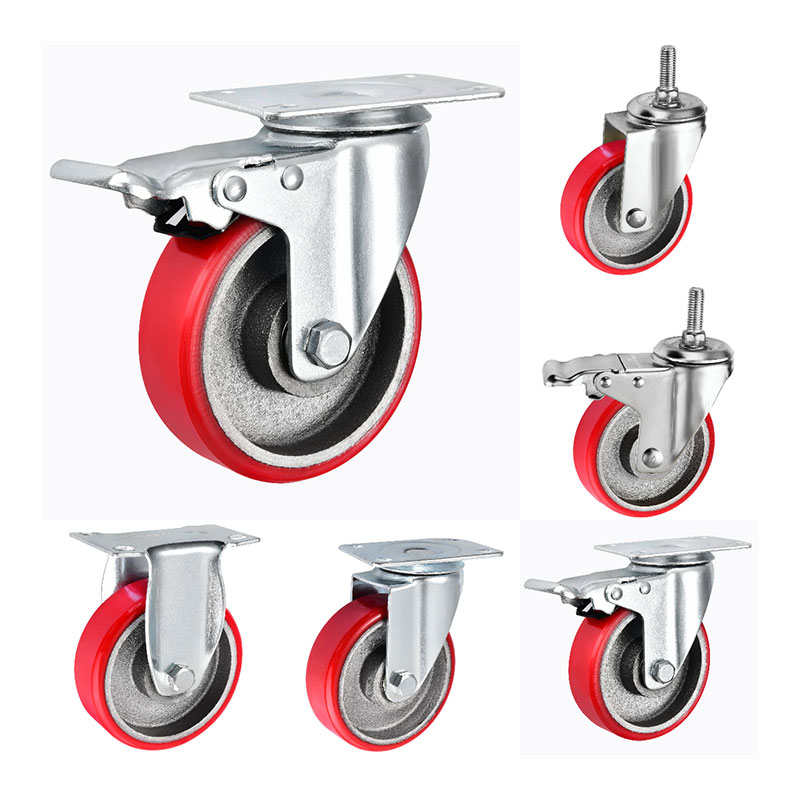
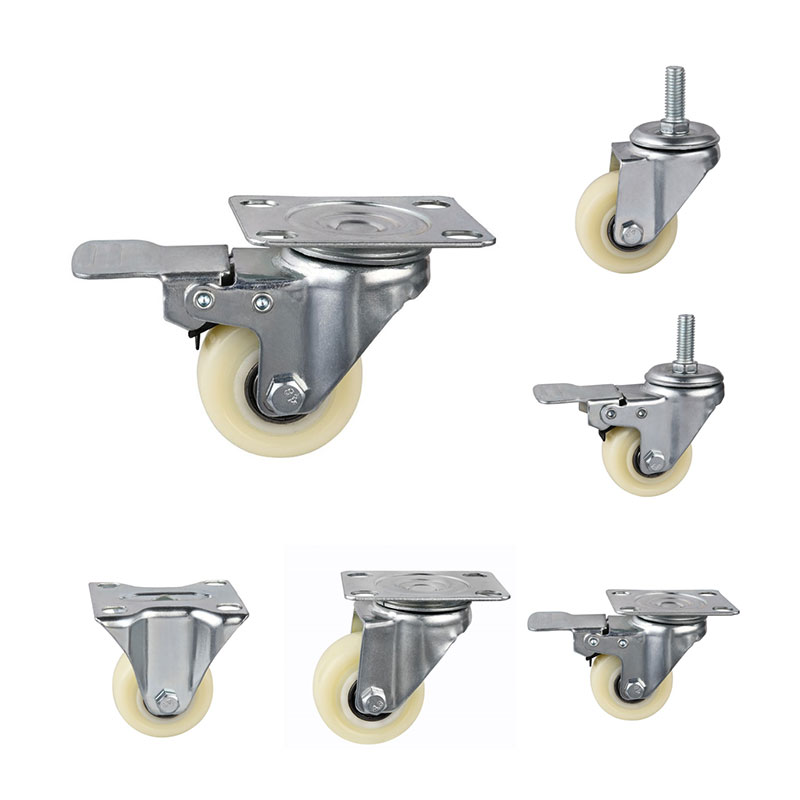
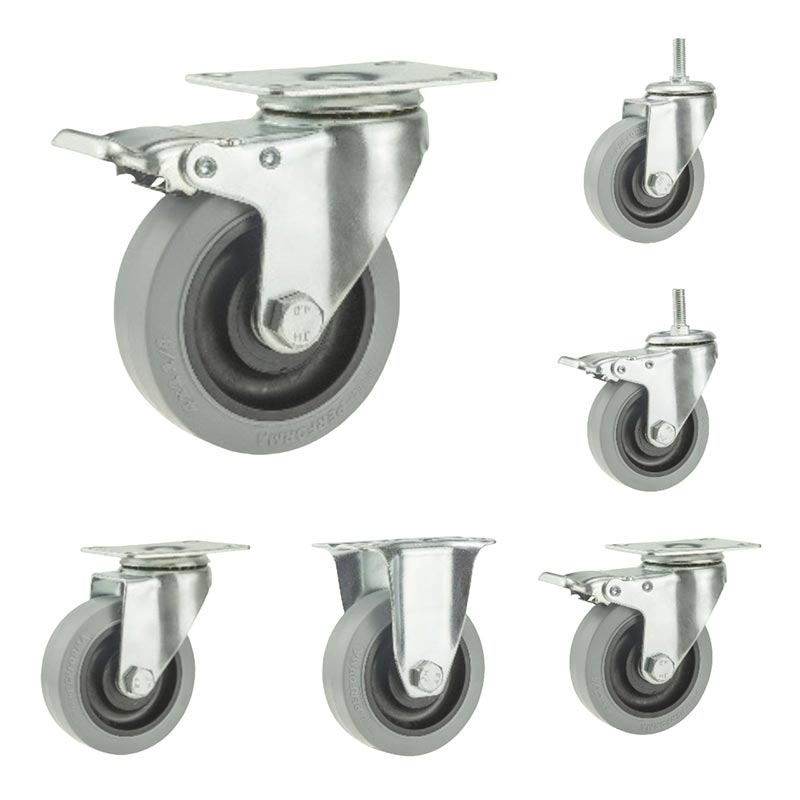
The Adjustable Leveling Casters series is designed for applications requiring a wider range of load capacities.
Models range from 40F to 150F, with rated capacity from approximately 50 kg to 1,500 kg per caster, depending on the specific model.
The caster uses a carbon-steel bracket and Nylon 6 wheel, with galvanized and powder-coated surface treatments available for different application requirements.
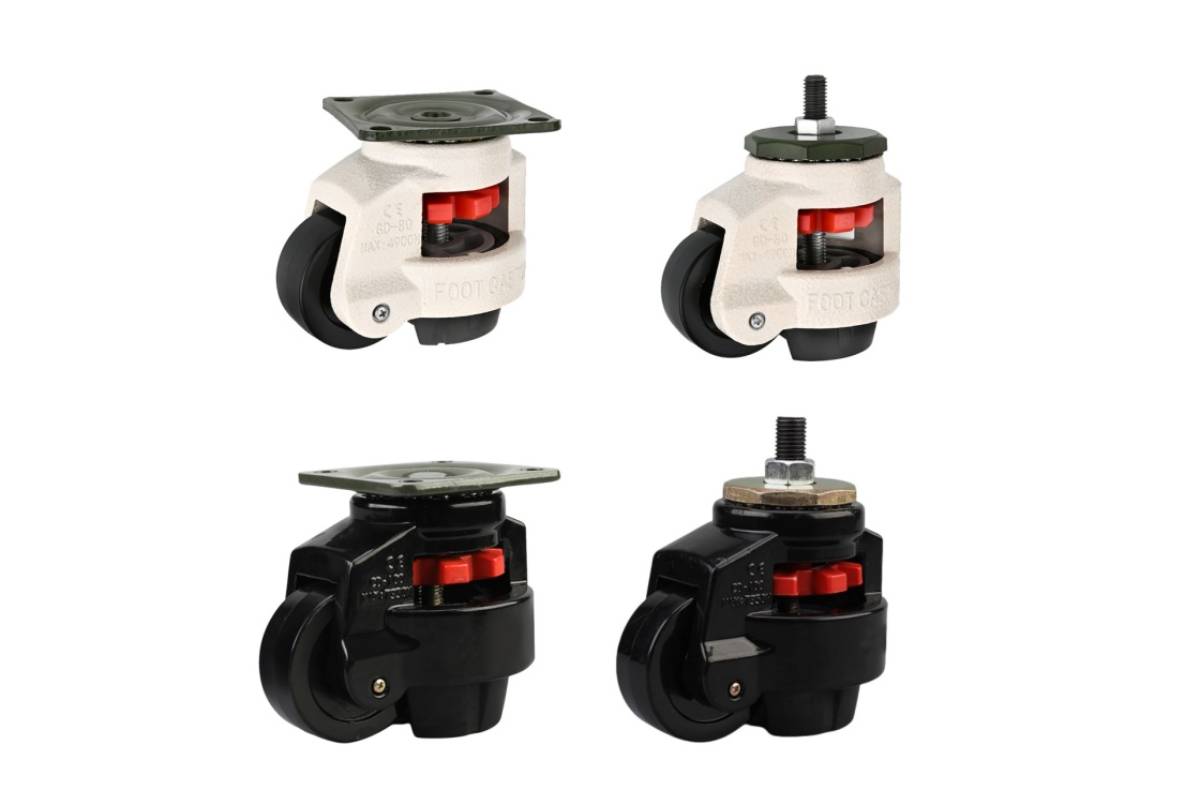
A major advantage of the Adjustable Leveling Casters series is the range of available sizes and mounting configurations. Different mounting plates and hole patterns can be selected according to the cabinet's bottom frame.
This makes the series suitable for manufacturers developing different cabinet sizes within the same energy storage product family.
For example, a relatively compact cabinet may require a lower-capacity caster with a smaller mounting footprint, while a cabinet containing multiple battery modules may require a higher-capacity configuration.
Instead of changing the entire cabinet structure, manufacturers can select a caster specification that matches the actual mechanical requirements.
Not every residential battery cabinet requires a large industrial caster.
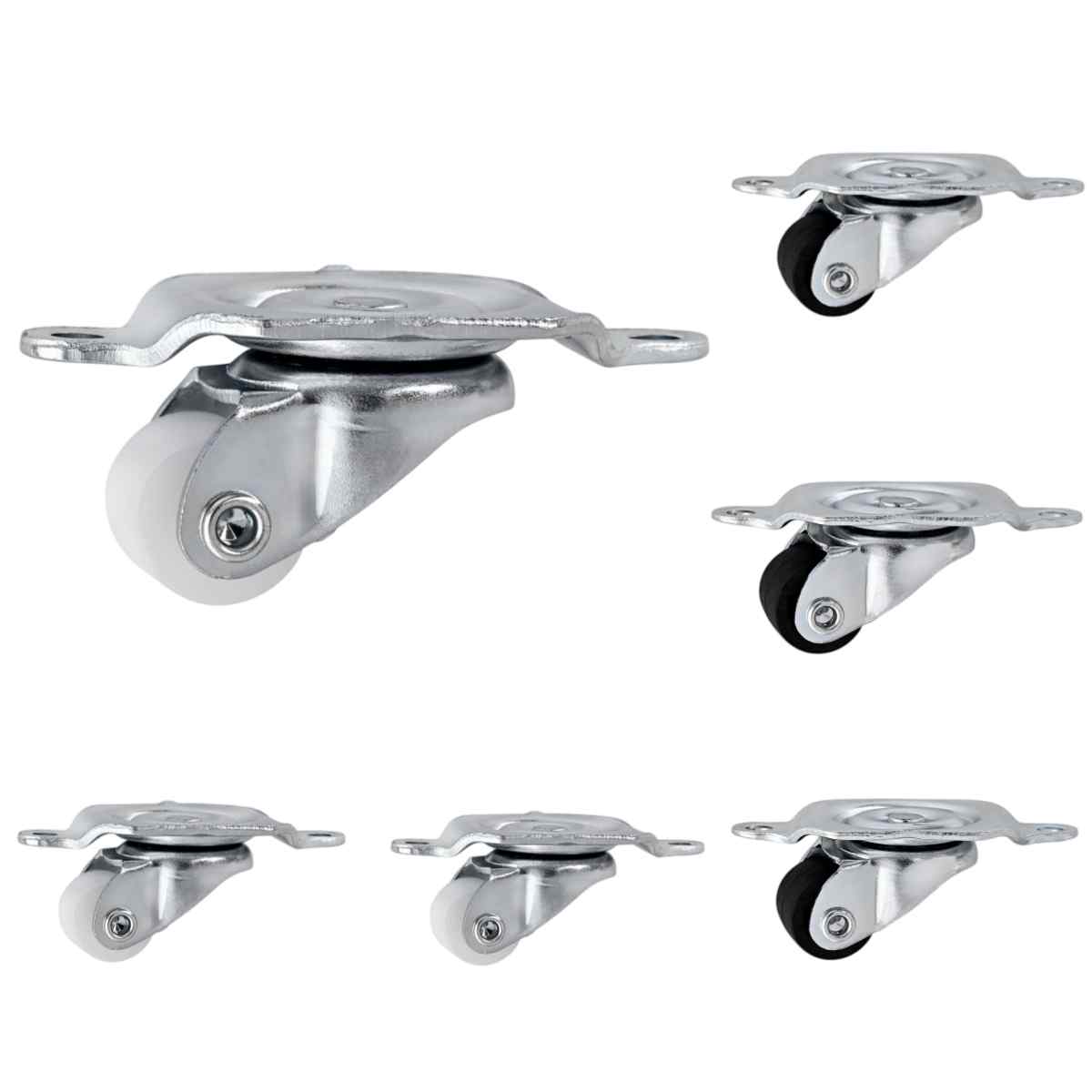
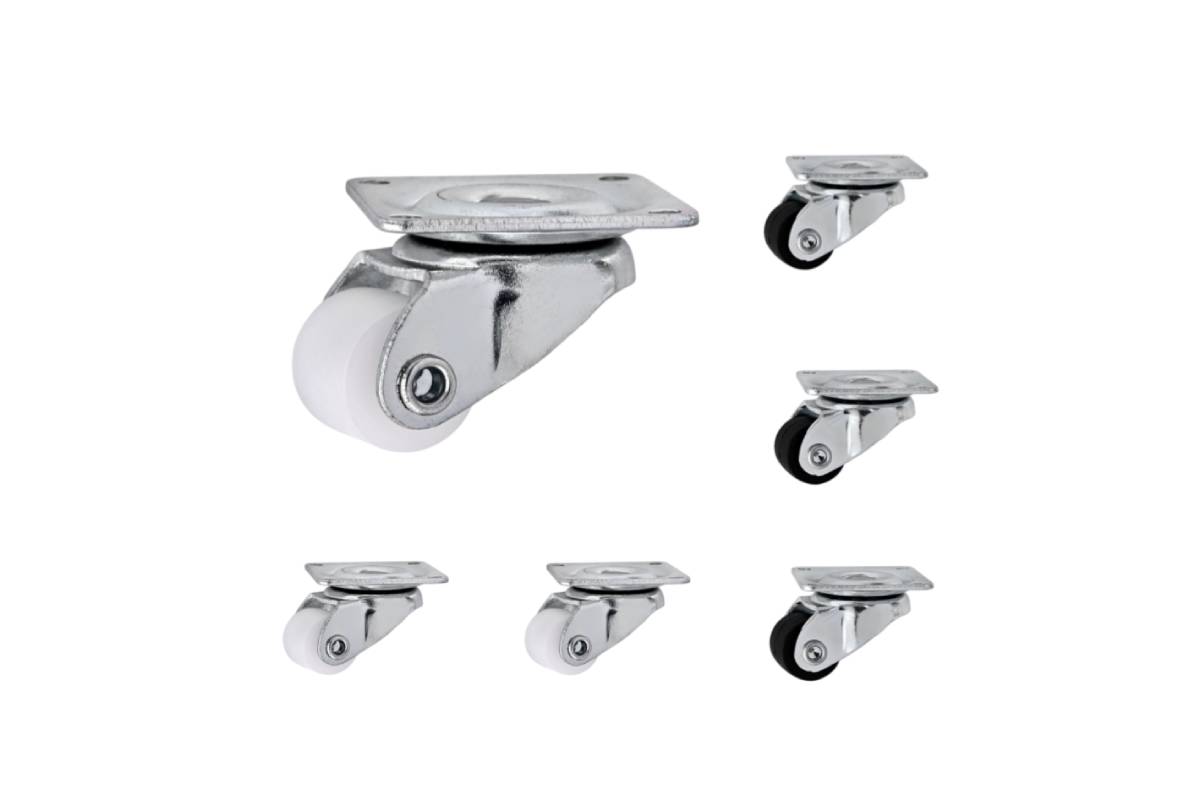
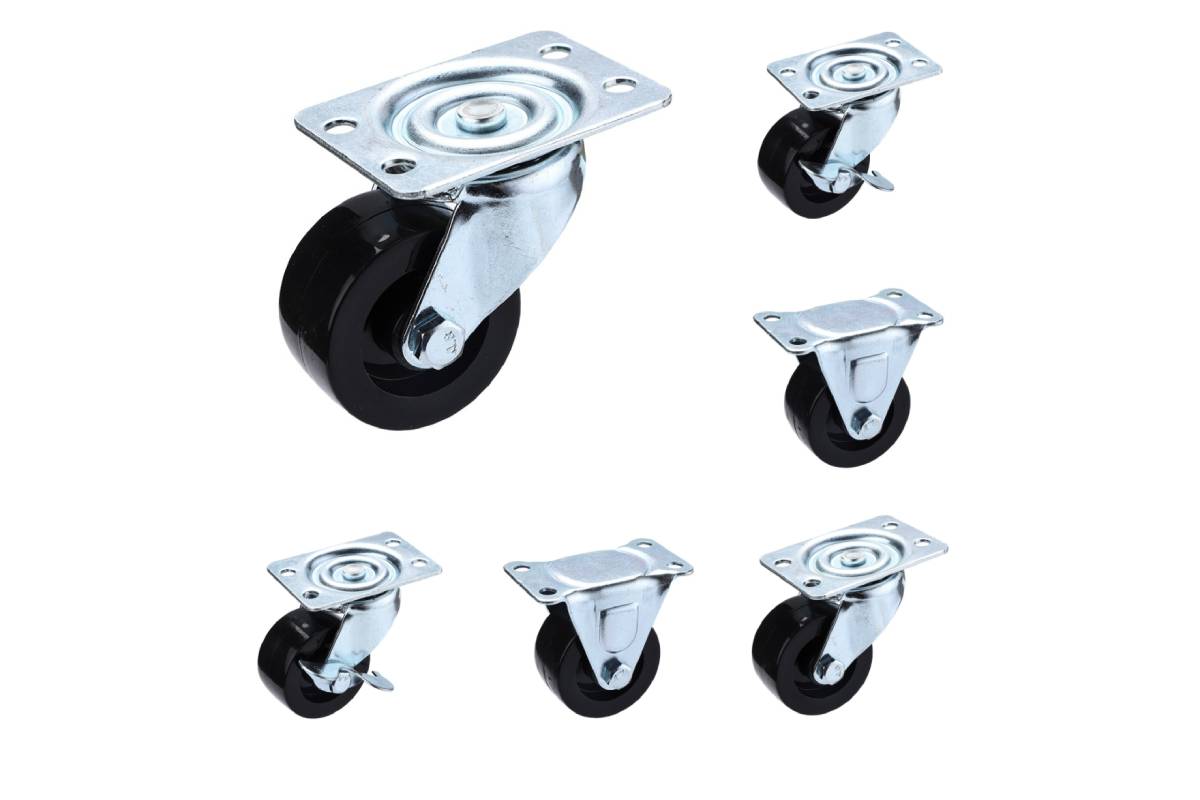
For cabinets where installation space is limited, a compact heavy duty leveling caster can be more appropriate.
The second series is available in:
· 2 inch
· 2.5 inch
· 3 inch
· 4 inch
Rated capacity is approximately 300–700 kg per caster, depending on the model and configuration.
The relatively compact structure helps manufacturers maintain a lower profile cabinet design while still providing substantial load-capatity capability.
These casters can be considered for indoor energy storage cabinets installed in areas such as:
· Residential utility rooms
· Garages
· Equipment rooms
· Indoor service areas
· Small commercial energy storage spaces
The final wheel material and configuration should be selected according to the floor surface and expected movement frequency.
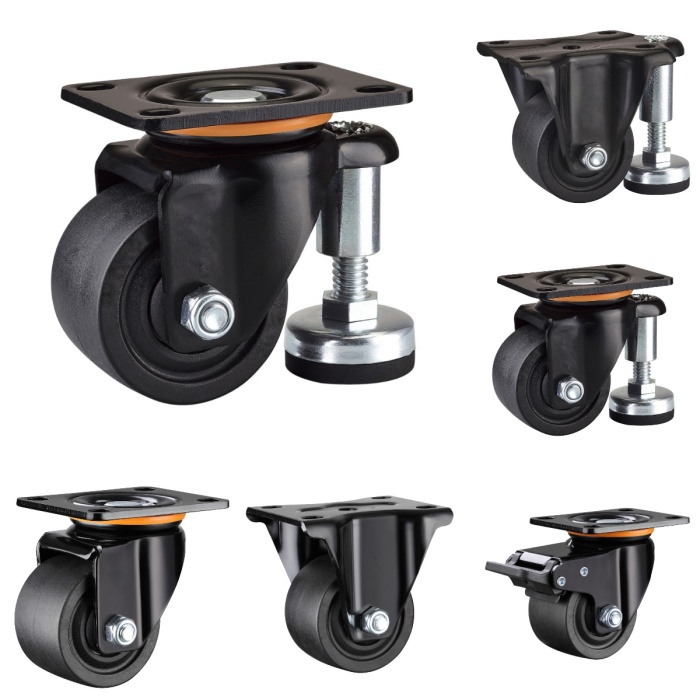
One design consideration for battery cabinet manufacturers is the space available underneath the enclosure.
Using a conventional caster together with an independent leveling foot requires additional mounting positions and components. An integrated leveling caster combines the rolling and support functions in one assembly.
This can offer several practical advantages during cabinet development:
The caster and support mechanism are combined, reducing the number of individual hardware parts beneath the cabinet.
A single mounting point can provide both mobility and stationary support, depending on the selected configuration.
The cabinet can be repositioned during installation or maintenance without removing the support hardware.
A compact caster configuration can help manufacturers manage the space available beneath a residential energy storage enclosure.
For OEM projects, these details can be important because the caster is part of the mechanical design rather than an accessory added after the cabinet has already been finalized.
The final selection should be based on the actual loaded cabinet weight, number of casters, mounting structure, cabinet height, and floor conditions.
Manufacturers should also consider how the load is distributed when the cabinet is moved. Static load capacity alone does not describe every condition encountered during installation or repositioning.
For OEM and ODM projects, caster selection should ideally begin while the cabinet frame is still being designed.
The following dimensions should be confirmed before production:
1. Available mounting space
2. Mounting plate dimensions
3. Hole spacing
4. Required caster height
5. Total cabinet weight
6. Expected wheel load
7. Floor surface
8. Required movement frequency
9. Clearance underneath the cabinet
10. Desired stationary support height
Providing these parameters to the caster manufacturer allows the caster configuration to be evaluated before the cabinet enters mass production.
This is particularly useful for stackable battery cabinets because a change in caster height can affect the overall cabinet height, while a change in mounting position can require modifications to the bottom frame.
The best caster for a residential stackable energy storage battery cabinet is not necessarily the largest or highest-capacity model.
A better approach is to match the caster with the cabinet's weight, mounting structure, available space, required height, wheel diameter, and installation environment.
For lighter or space-constrained cabinets, compact 2 inch to 4 inch Low Profile casters may provide a suitable balance between size and load capacity. For heavier or more varied cabinet designs, the 40F–150F Adjustable Leveling Casters series provides a broader range of capacity and mounting options.
For manufacturers developing the next generation of residential battery storage systems, CMCL® leveling casters offer configurable hardware options for integrating mobility and adjustable support into the cabinet structure from the beginning of the design process. CMCL® is ISO 9001:2015 certified, and its caster products can undergo salt spray testing to evaluate corrosion resistance. Selected products are also available with RoHS certification, supporting manufacturers with different environmental and compliance requirements.
Ultimately, selecting the right caster should be based on the cabinet's actual load, structure, operating environment, and mobility requirements rather than simply choosing the highest-rated model.