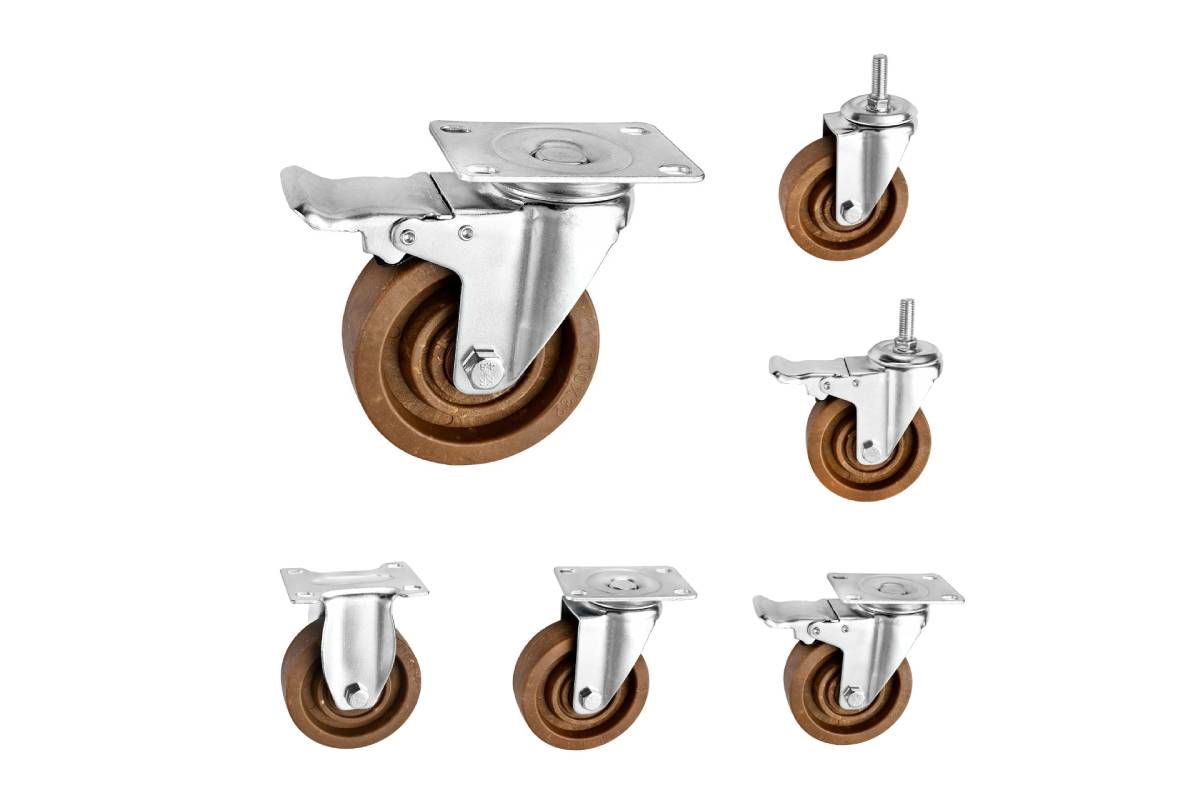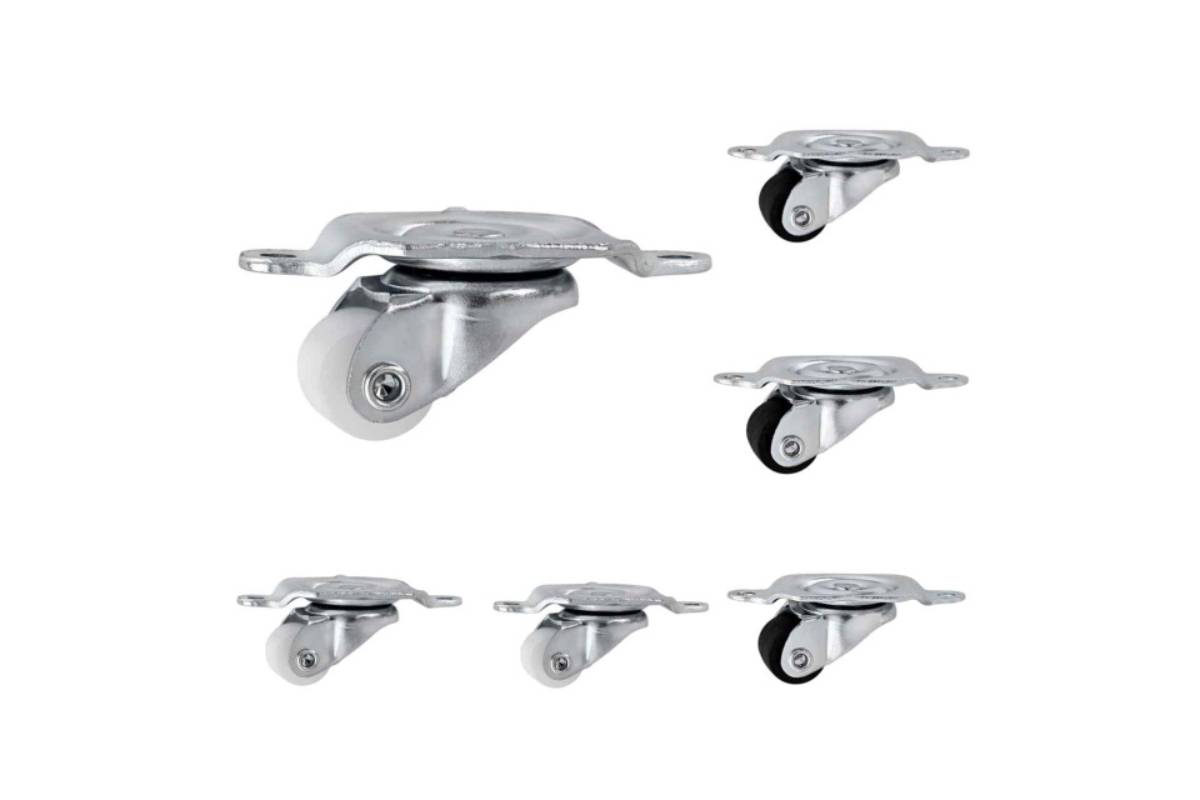

Energy storage cabinets contain sensitive electronic components such as battery management systems (BMS), inverters and power control units. During factory testing, transportation and installation, these heavy cabinets often need to be moved and repositioned.
Choosing suitable anti static casters helps support equipment mobility while meeting the static-control requirements of sensitive electronic environments. Besides ESD performance, load capacity, wheel material and braking structure should also be considered.
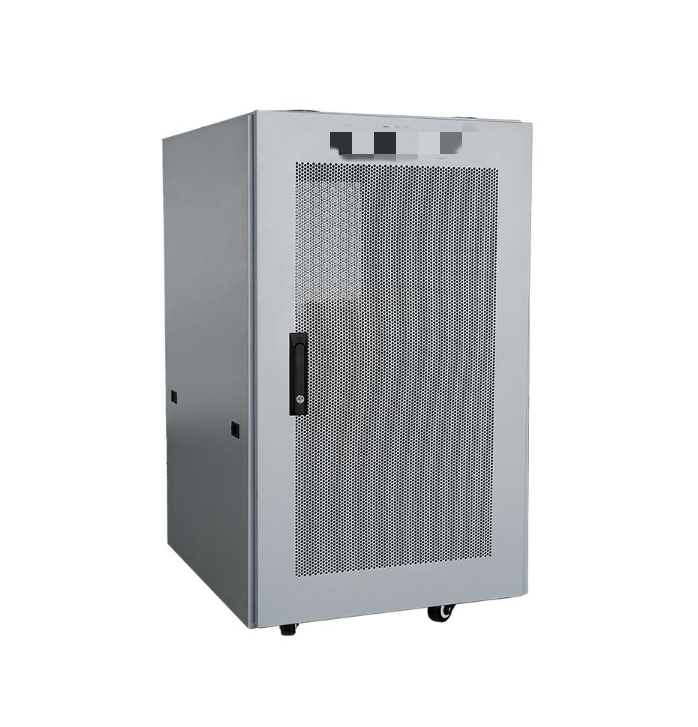
Electrostatic discharge (ESD) may affect sensitive electronic components if static electricity is not properly controlled. Standard rubber or plastic caster wheels may not provide the electrical properties required in ESD-controlled areas.
When selecting ESD casters for energy storage cabinets, manufacturers should consider:
1.Electrical Resistance: Wheel materials should meet the static-control requirements of the working environment.
2.Load Capacity: Casters must support the cabinet, battery modules and additional equipment.
3.Ground Contact: Effective static dissipation depends on the complete path between the equipment, wheels and suitable flooring.
4.Mobility and Braking: Swivel and locking structures help technicians move and position cabinets in limited spaces.
ESD casters should be considered part of a complete static-control system rather than a standalone protection solution.
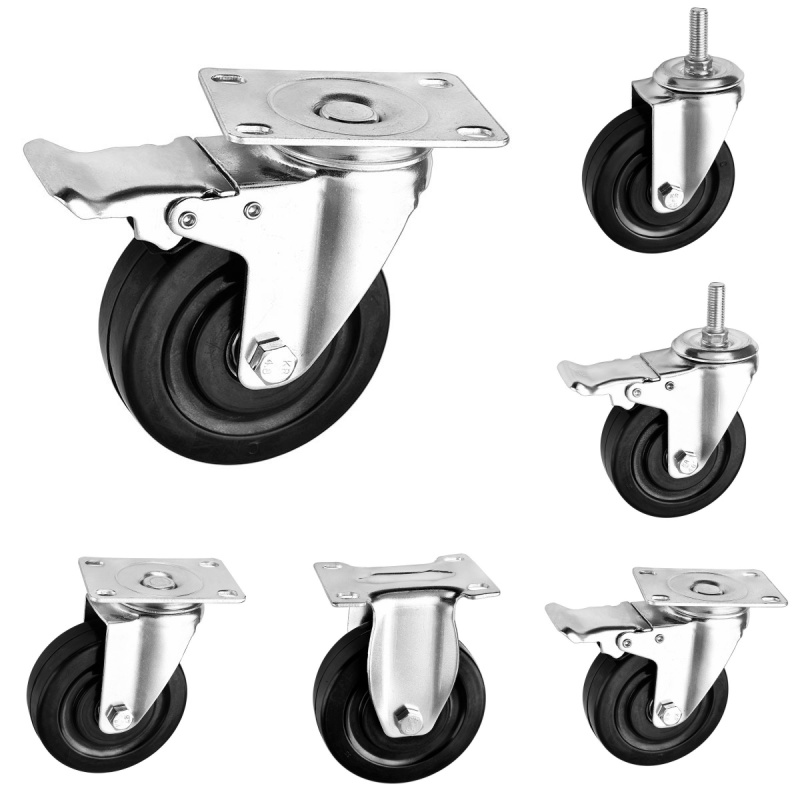
Conductive and dissipative caster wheels have different electrical properties.
Conductive caster wheels provide a relatively low-resistance path for electrical charge, while dissipative caster wheels allow static charges to move away in a more controlled manner.
The right option depends on the project's ESD requirements, floor conditions and equipment design. Buyers should check electrical resistance specifications and relevant test results instead of relying only on product descriptions.
Besides static-control performance, several mechanical factors affect caster selection:
1.Load Capacity: Calculate the total cabinet weight, including batteries and accessories. Dividing the total weight by three can serve as an initial conservative estimate per caster, but the final rating must account for actual load distribution and operating conditions.
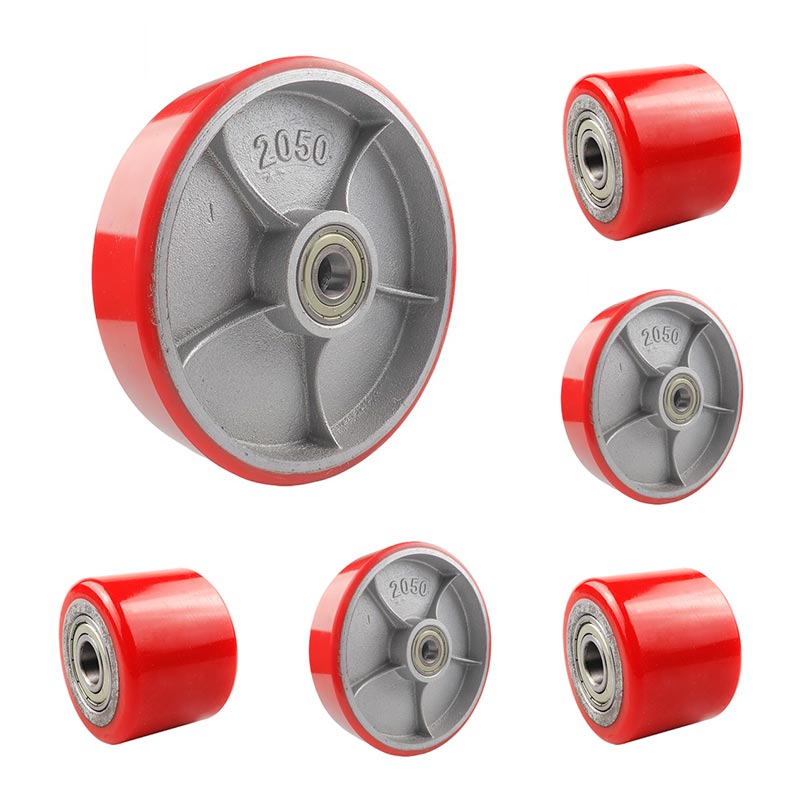
2.Wheel Material and Diameter: Select materials that meet both electrical and wear-resistance requirements. Wheel diameter should match floor conditions and available installation space.
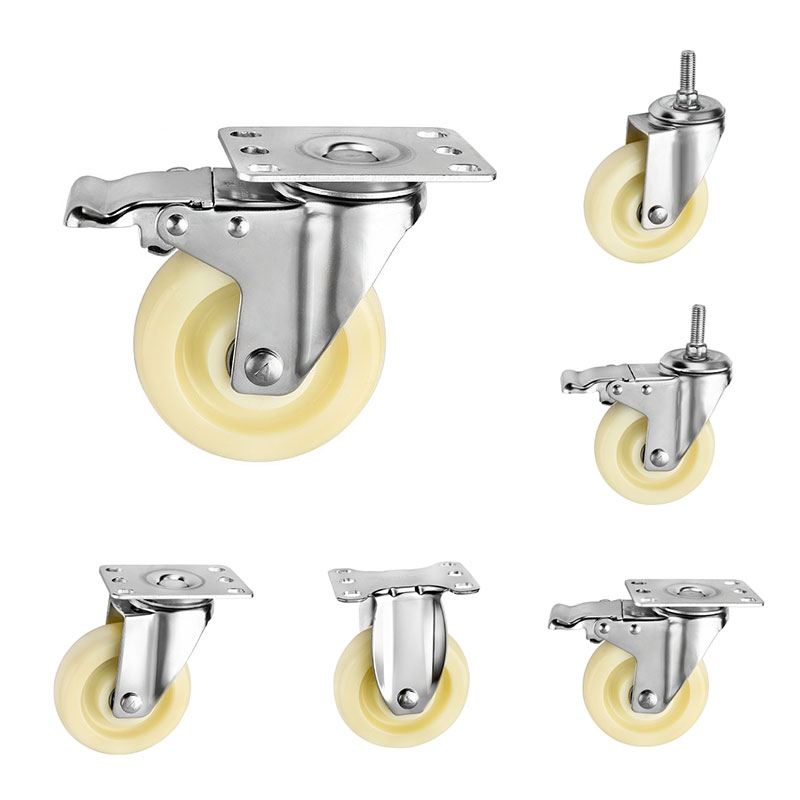
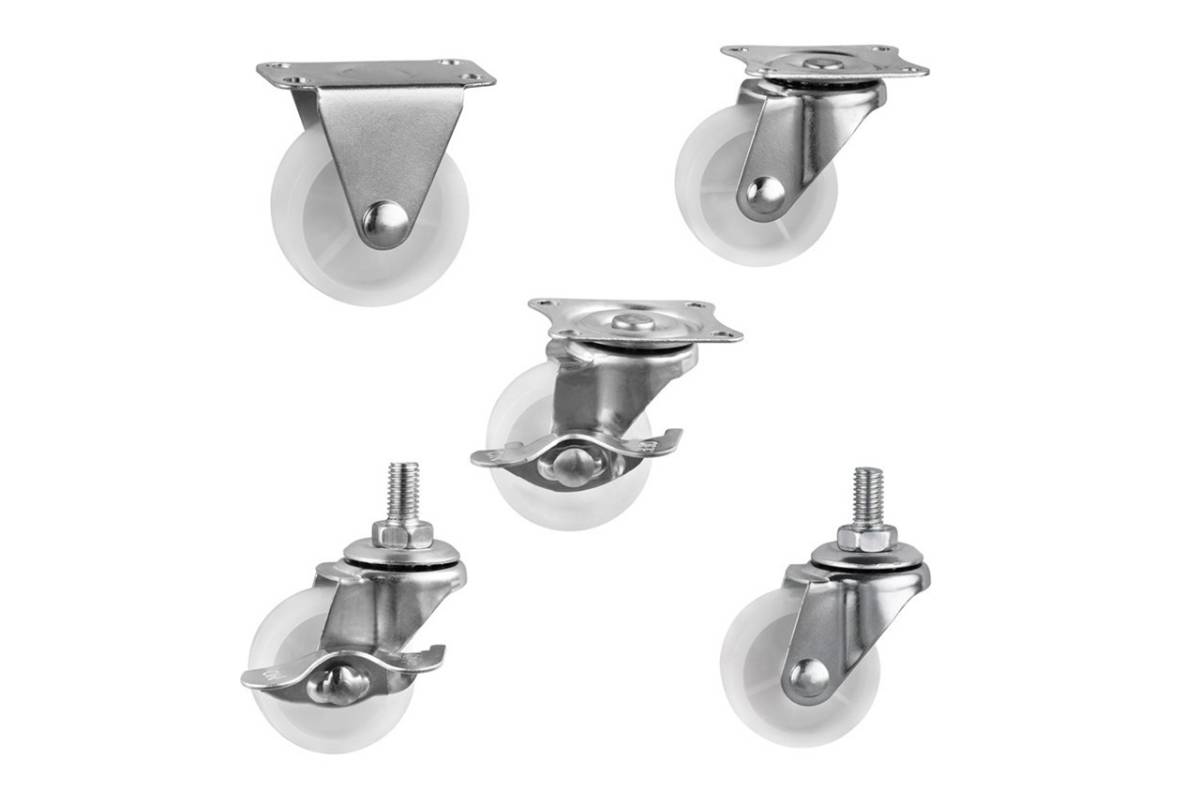
3.Mounting and Braking: Confirm mounting plate dimensions, bolt-hole spacing and installation height. Total-lock casters can restrict both wheel rolling and swivel movement.
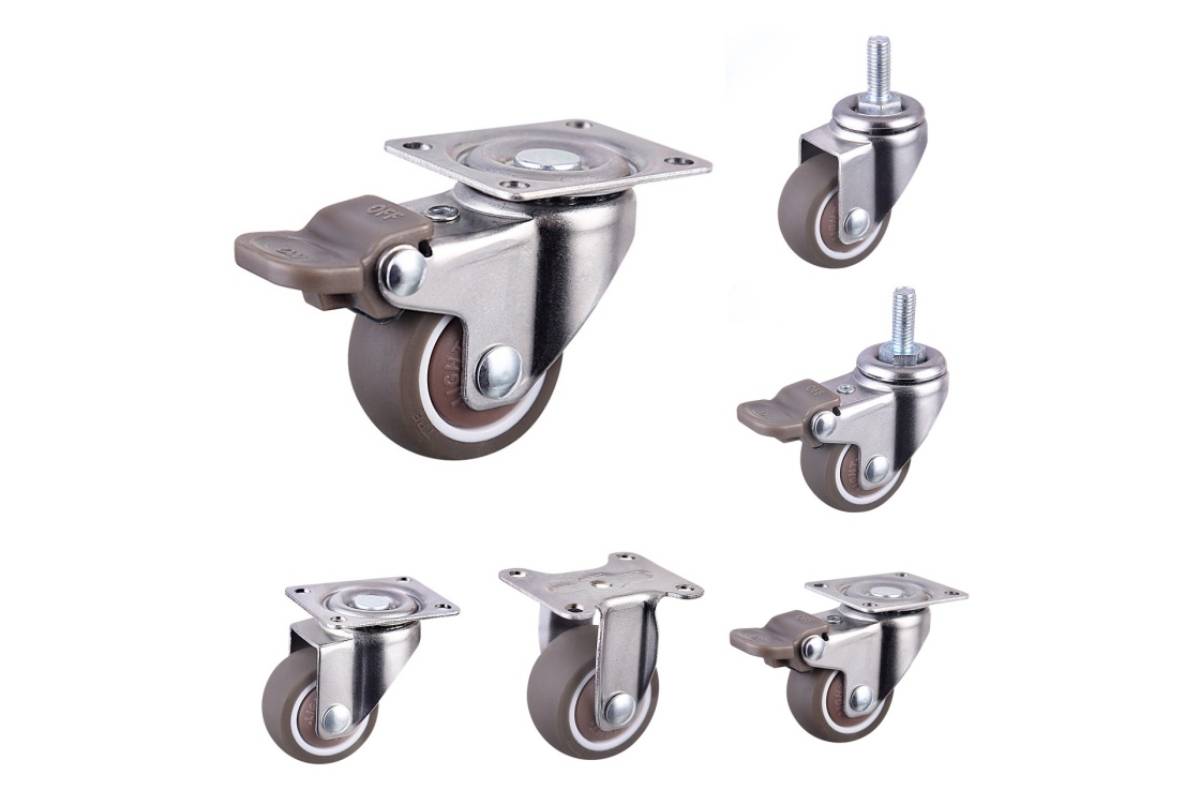
4.Cabinet Clearance: Low-profile casters may be suitable for energy storage cabinets with limited bottom clearance.
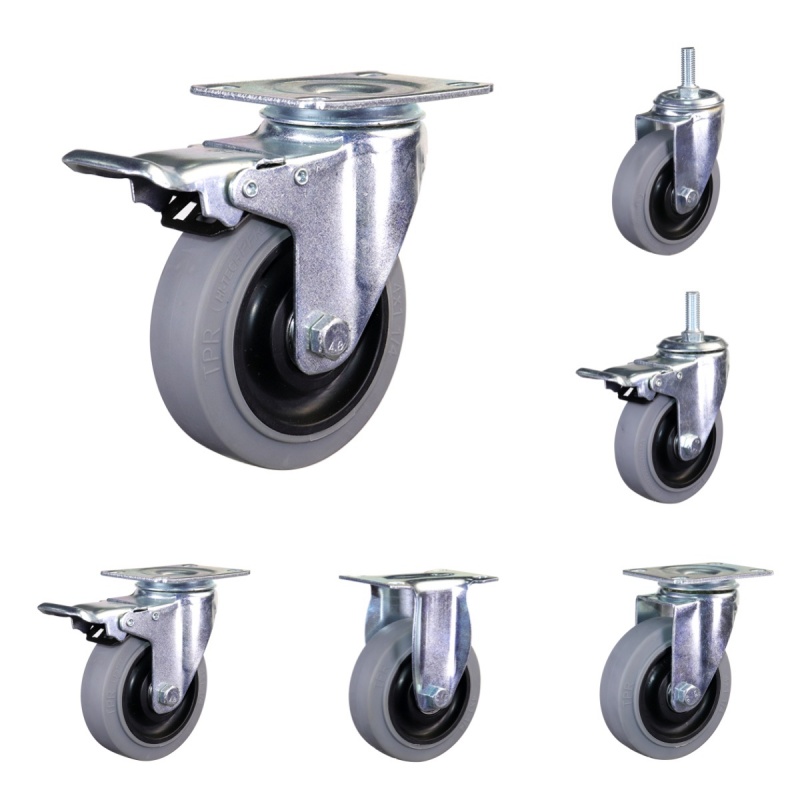
Different energy storage cabinets have different dimensions, weight requirements and operating environments. Standard caster configurations may not suit every application.
As a caster manufacturer in China, CMCL Casters focuses on matching caster structures and wheel materials with actual application requirements. Cabinet weight, floor type, mounting dimensions and static-control specifications can all be considered when selecting suitable industrial ESD casters.