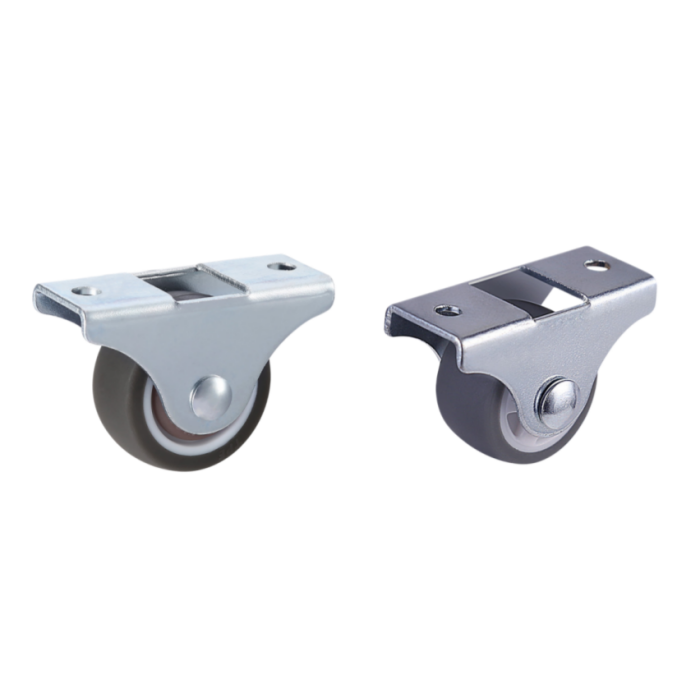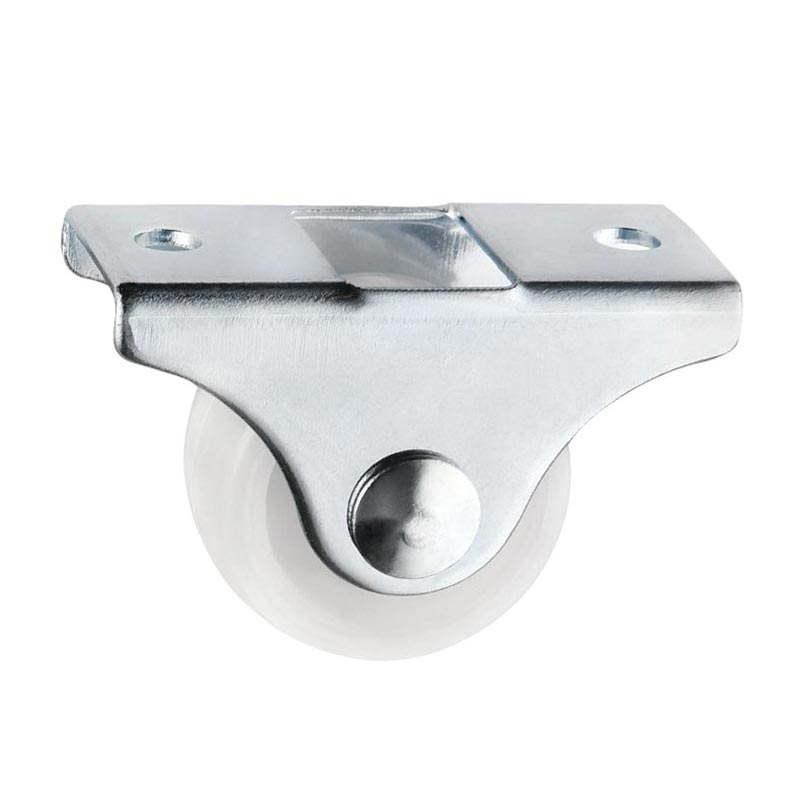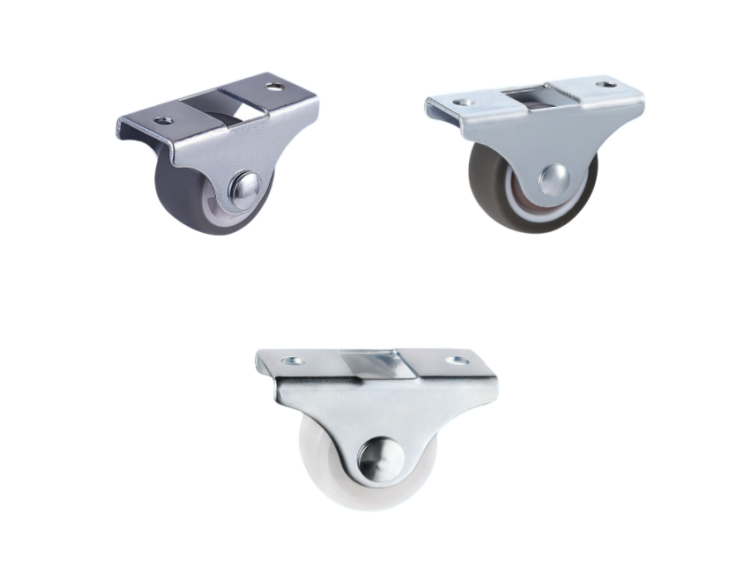

When choosing small rigid casters for indoor furniture, selecting the right wheel material is just as important as choosing the caster size. For furniture manufacturers and OEM buyers, PP and TPR are two common options.
Both materials are suitable for light-duty furniture, but they differ in rolling noise, floor protection, color customization and cost. Understanding these differences can help you choose the right caster for your furniture design.
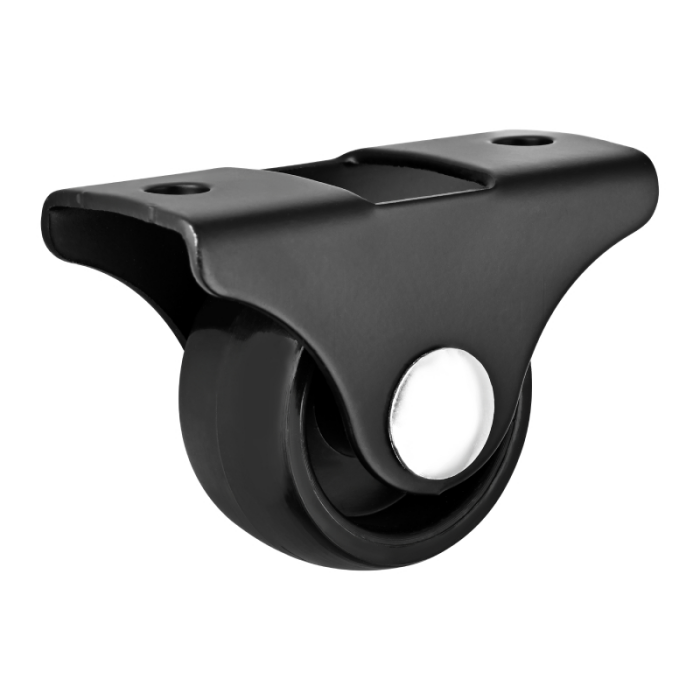
PP (polypropylene) rigid casters feature a hard wheel surface, low rolling resistance and economical production costs.
Their main advantage is cost-effectiveness. PP wheels are suitable for furniture projects that require reliable basic mobility without additional noise-reduction requirements.
PP material also supports various color options, making it a practical choice for manufacturers who want to match caster colors with furniture designs.
Utility storage cabinets
Shoe racks and entryway benches
Plastic storage bins
Budget furniture collections
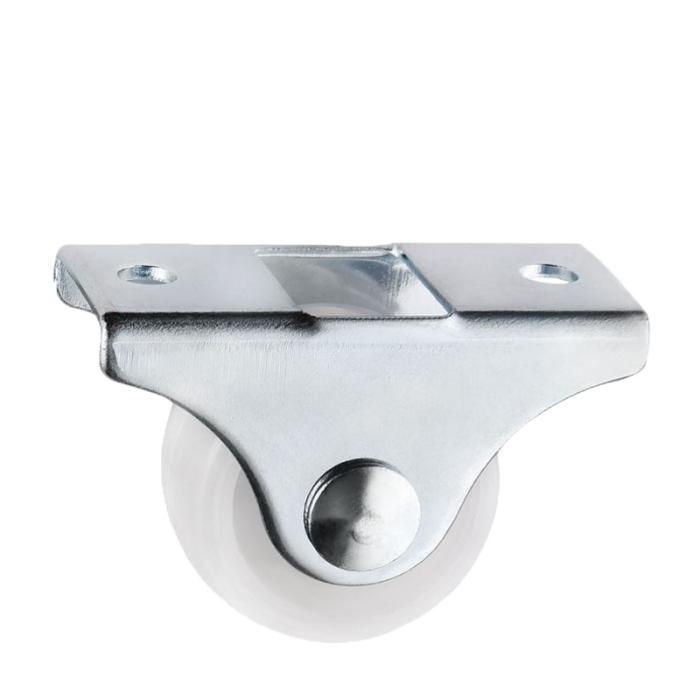
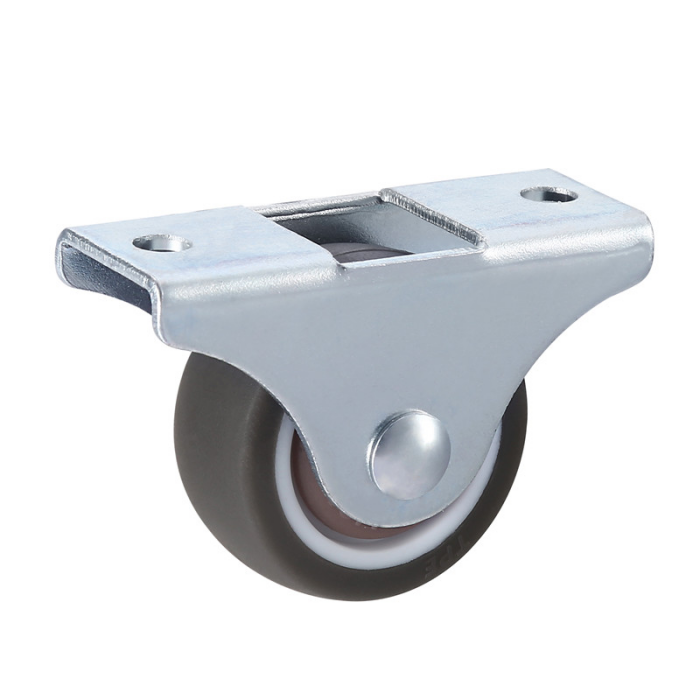
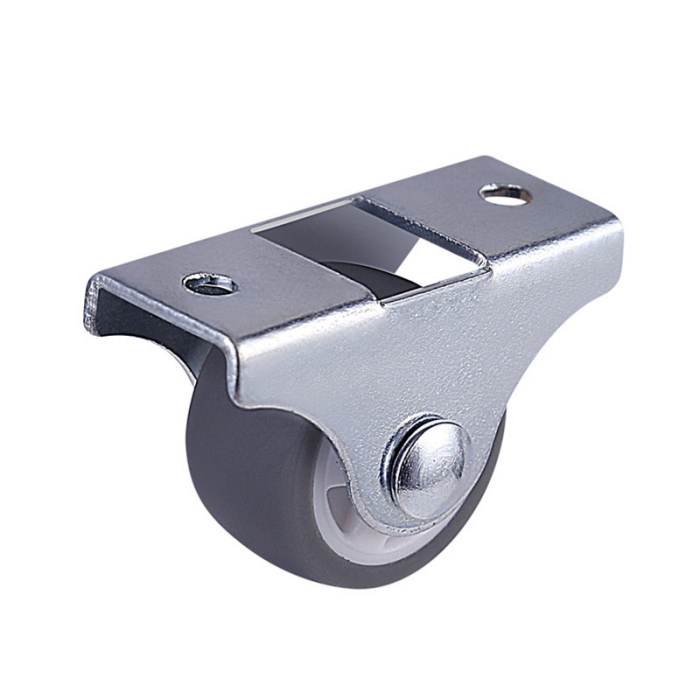
TPR (thermoplastic rubber) rigid casters feature a softer, more elastic wheel tread. Compared with hard PP wheels, TPR provides quieter rolling and better cushioning on indoor floors.
Its non-marking properties also make it suitable for furniture used on hardwood, vinyl and other finished flooring surfaces.
Although TPR casters generally cost more than PP versions, they offer additional comfort and floor protection for furniture products positioned in the mid-to-high-end market.
Upholstered footstools and ottomans
Indoor plant stands
Premium display furniture
Residential furniture requiring quiet movement
| Feature | PP Rigid Casters | TPR Rigid Casters |
| Rolling Noise | Moderate | Very Quiet |
| Floor Protection | Good | Excellent |
| Moisture Resistance | Generally High | Depends on Formulation |
| Color Customization | Flexible Options | Available |
| Rolling Resistance | Low | Slightly Higher |
| Unit Cost | Economical | Higher |
Before selecting small rigid casters for your furniture project, consider three factors:
Floor Type: PP wheels are suitable for smooth tile and laminate floors. TPR is a better option for hardwood and delicate indoor flooring.
Appearance: If your furniture requires specific wheel colors, discuss customized color options with your caster supplier.
Budget and Positioning: PP is suitable for cost-sensitive mass production, while TPR is ideal for furniture lines that prioritize quiet movement and floor protection.
Remember that rigid casters move in a fixed direction rather than rotating freely like swivel casters. They are suitable for furniture designs that require straightforward directional movement.
CMCL Casters manufactures small rigid plate-mount casters in PP and TPR wheel options, with available sizes including 1", 1.25", 1.5" and 2".
We support customized wheel colors and OEM and wholesale orders for furniture manufacturers, brands and distributors in China and overseas markets.
Whether you need economical PP rigid casters or quieter TPR wheels, choosing the right material, size and load capacity helps improve the performance of your furniture products.
Q1: Can PP and TPR small rigid casters be customized in different colors?
Yes. Both materials support color customization. Available colors, minimum order quantities and production requirements should be confirmed with the manufacturer.
Q2: What is the difference between rigid and swivel casters?
Rigid casters roll in a fixed direction, while swivel casters can rotate 360 degrees. Rigid casters are suitable for applications requiring straight-line movement.
Q3: Are TPR rigid casters better for hardwood floors?
Generally, yes. TPR wheels offer a softer tread and better floor protection than hard PP wheels, making them a suitable choice for many indoor hardwood applications.