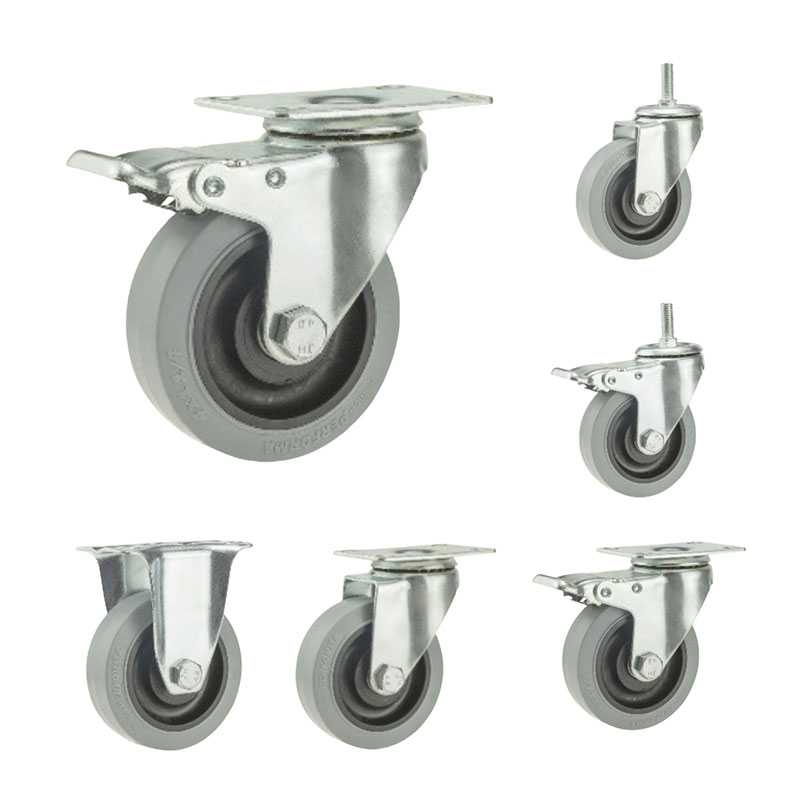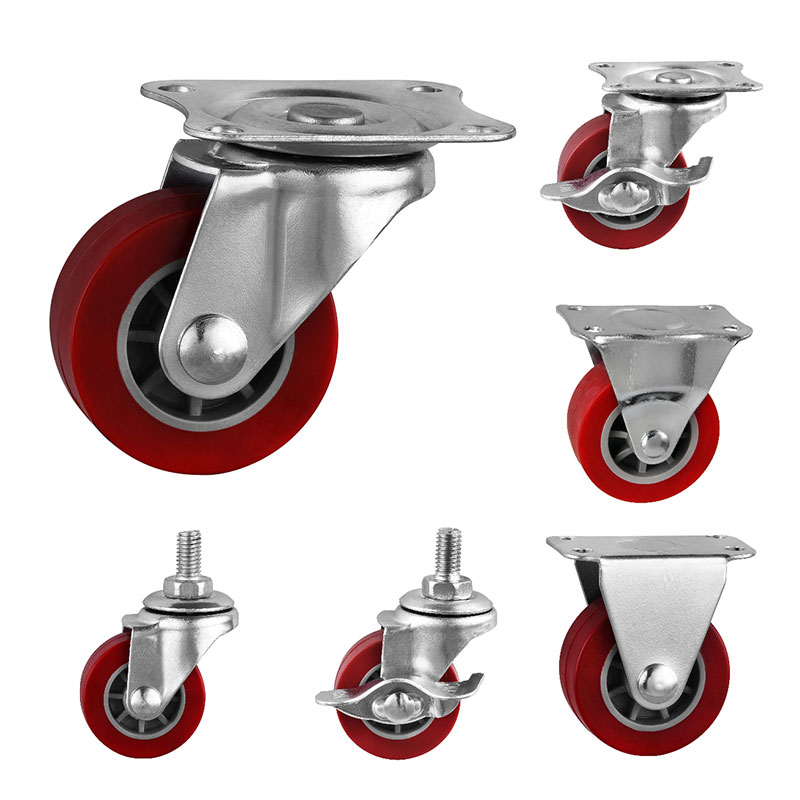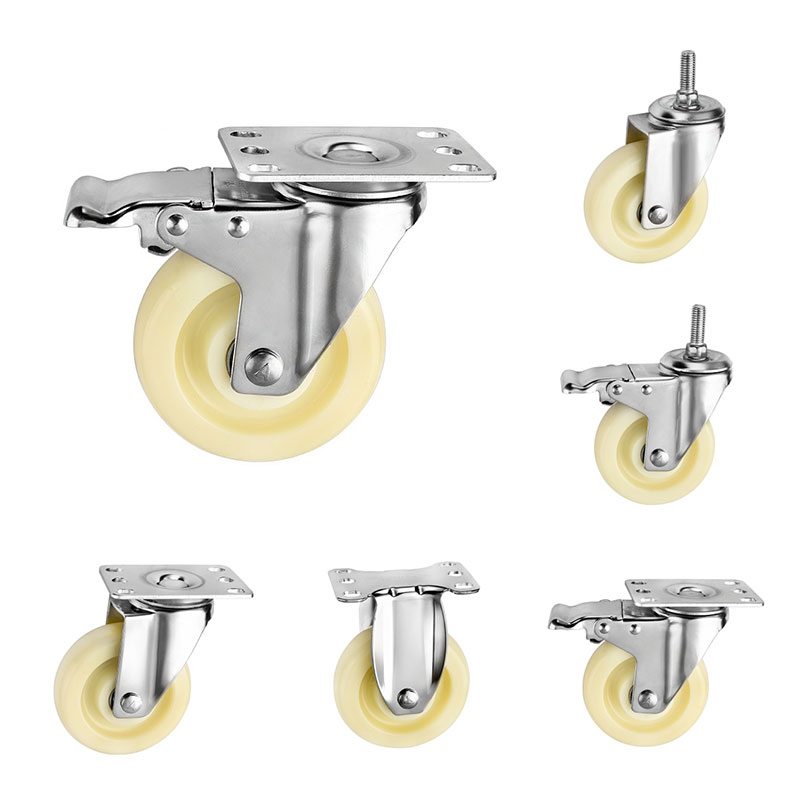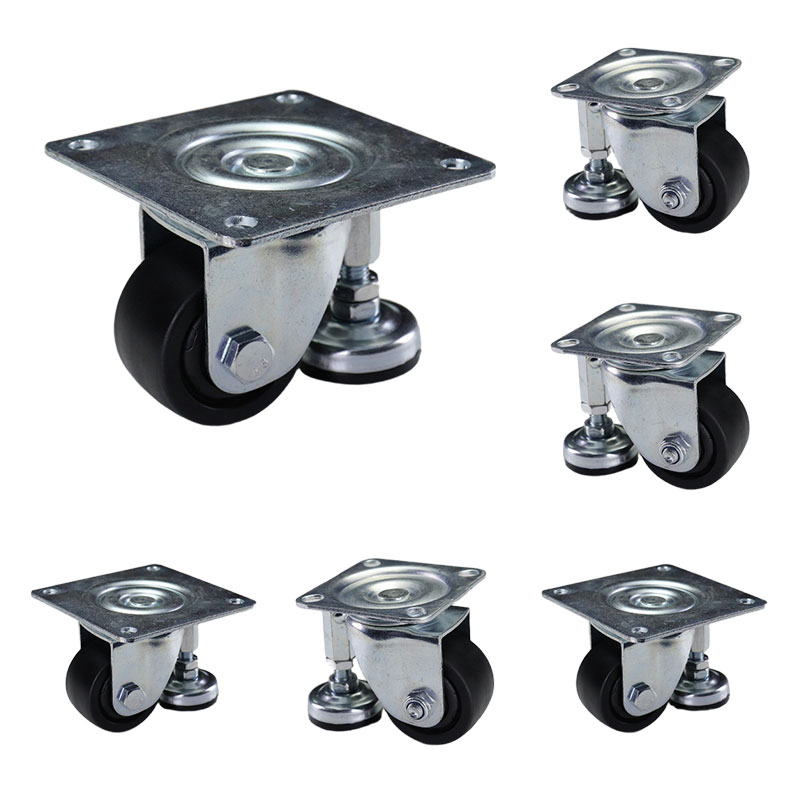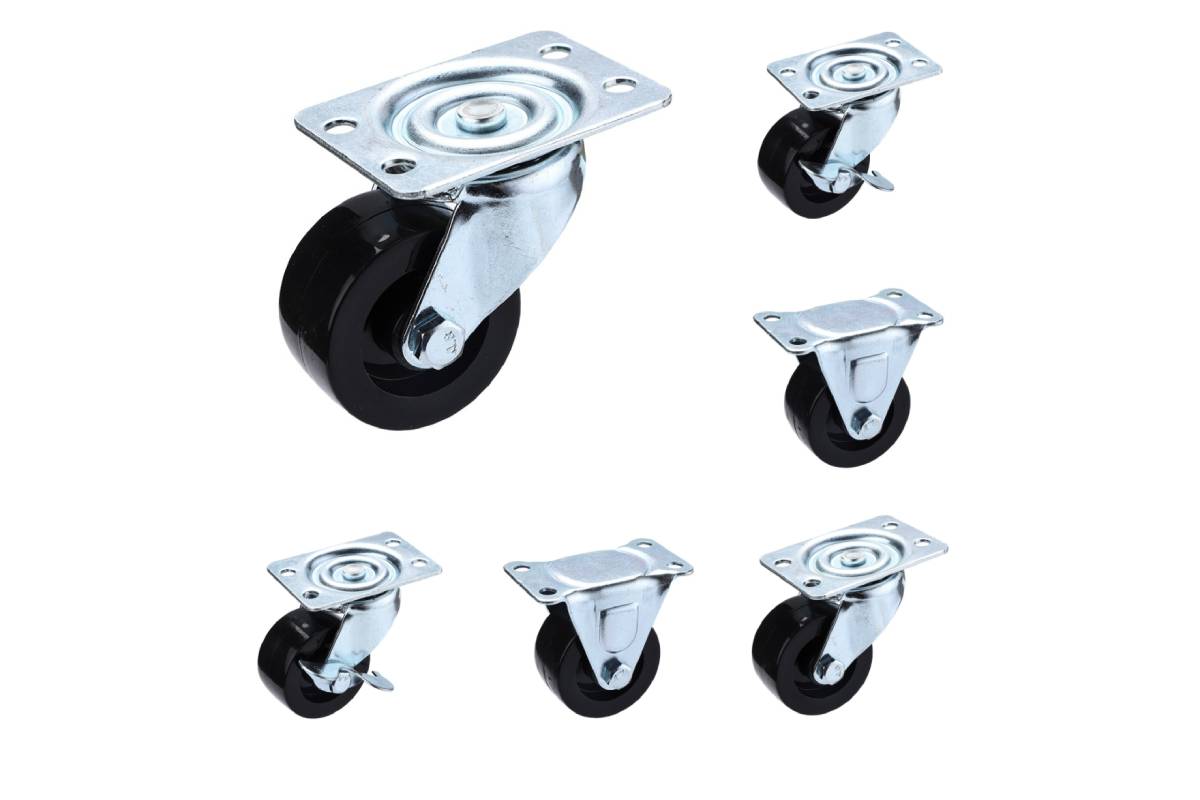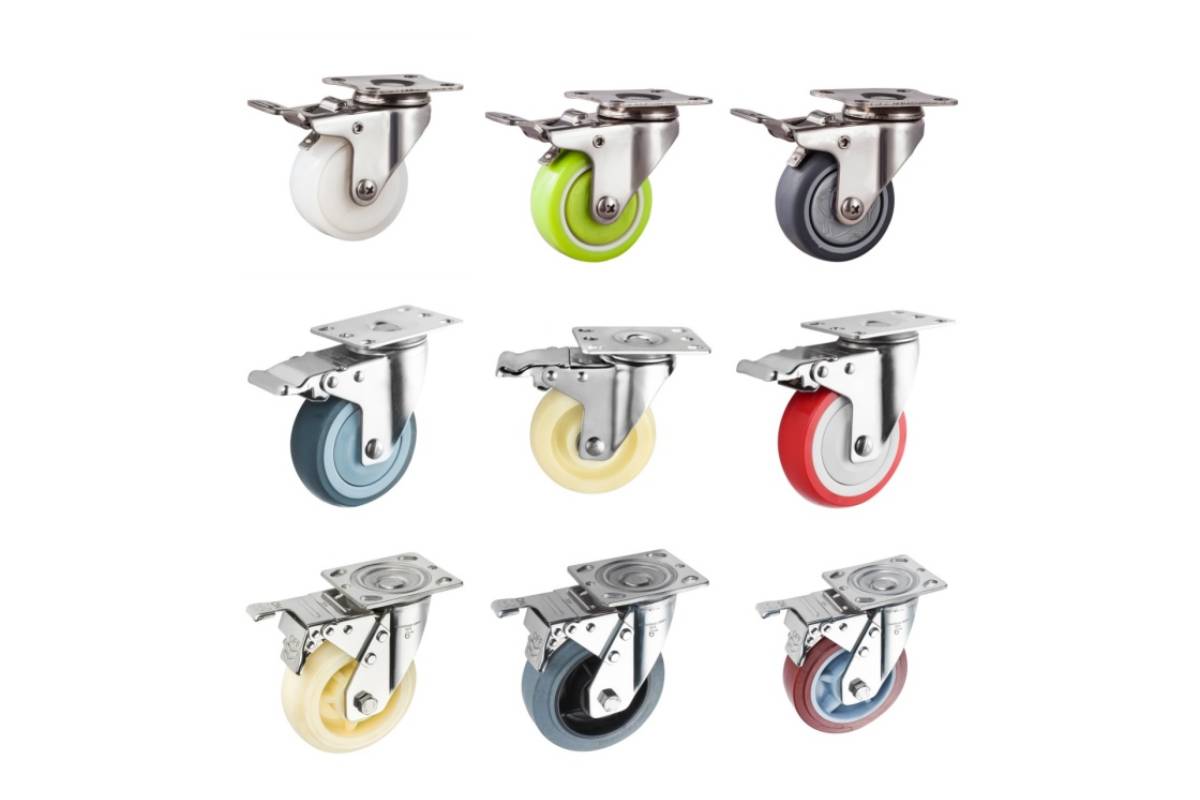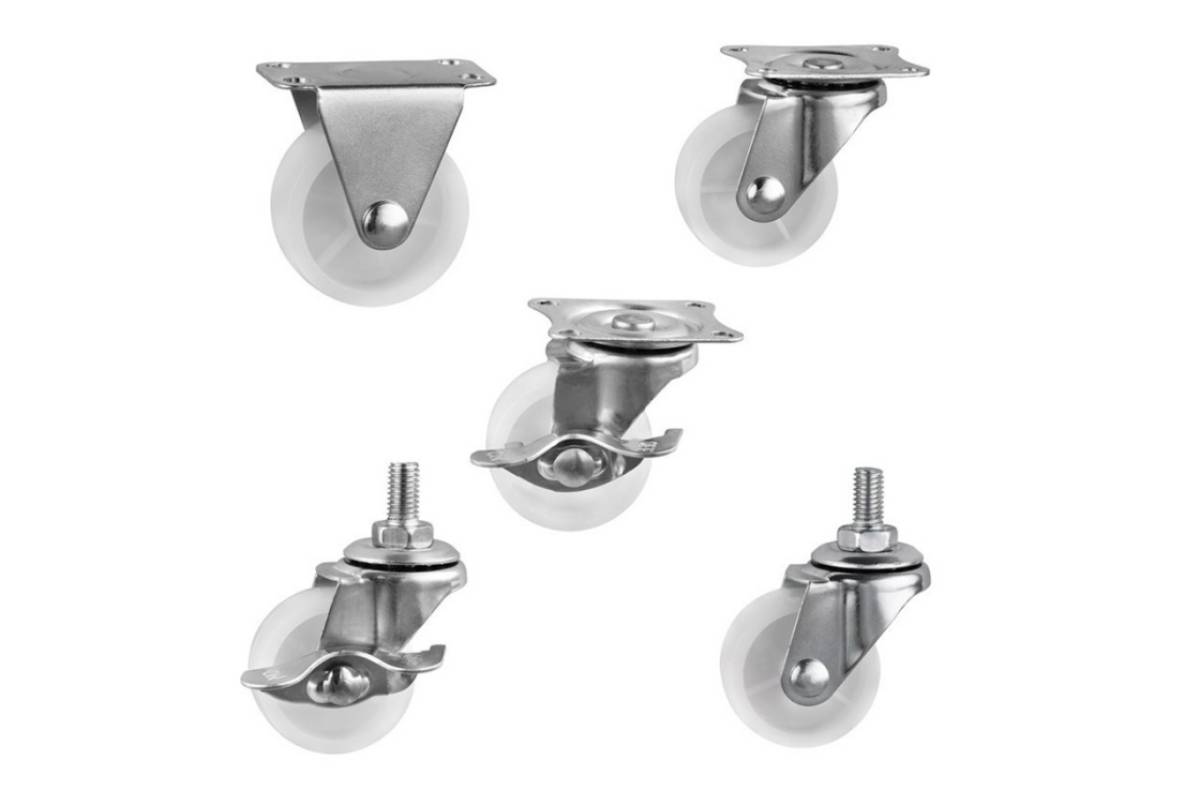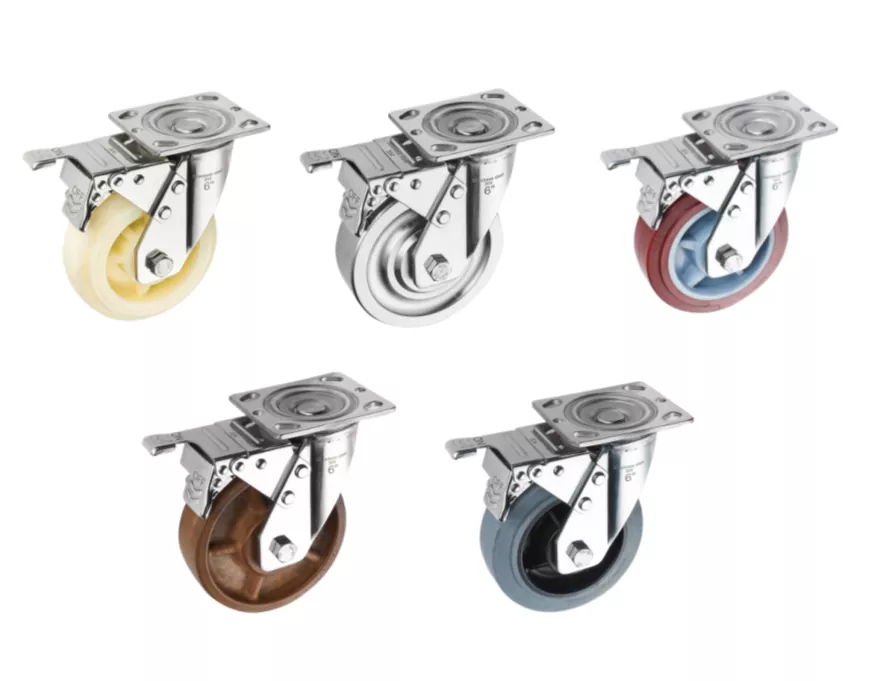

Based on CMCLCasters’s experience serving equipment manufacturers, logistics operators, and industrial facilities, caster drifting is rarely caused by a single defect. In most cases, it results from a combination of installation errors, uneven load distribution, component wear, environmental contamination, and insufficient maintenance. Even high quality Industrial Casters can develop tracking problems when installation and operating conditions are not properly controlled.
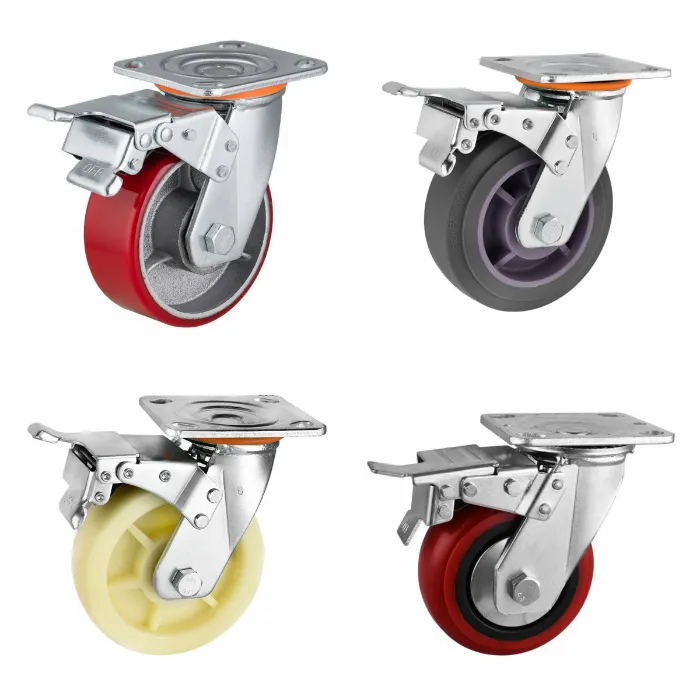
Field service records show that installation-related issues are among the most common causes of caster wheel misalignment. When caster mounting heights are inconsistent, wheel axes are not parallel, or mounting bolts become loose over time, equipment naturally tends to pull toward one side during movement.
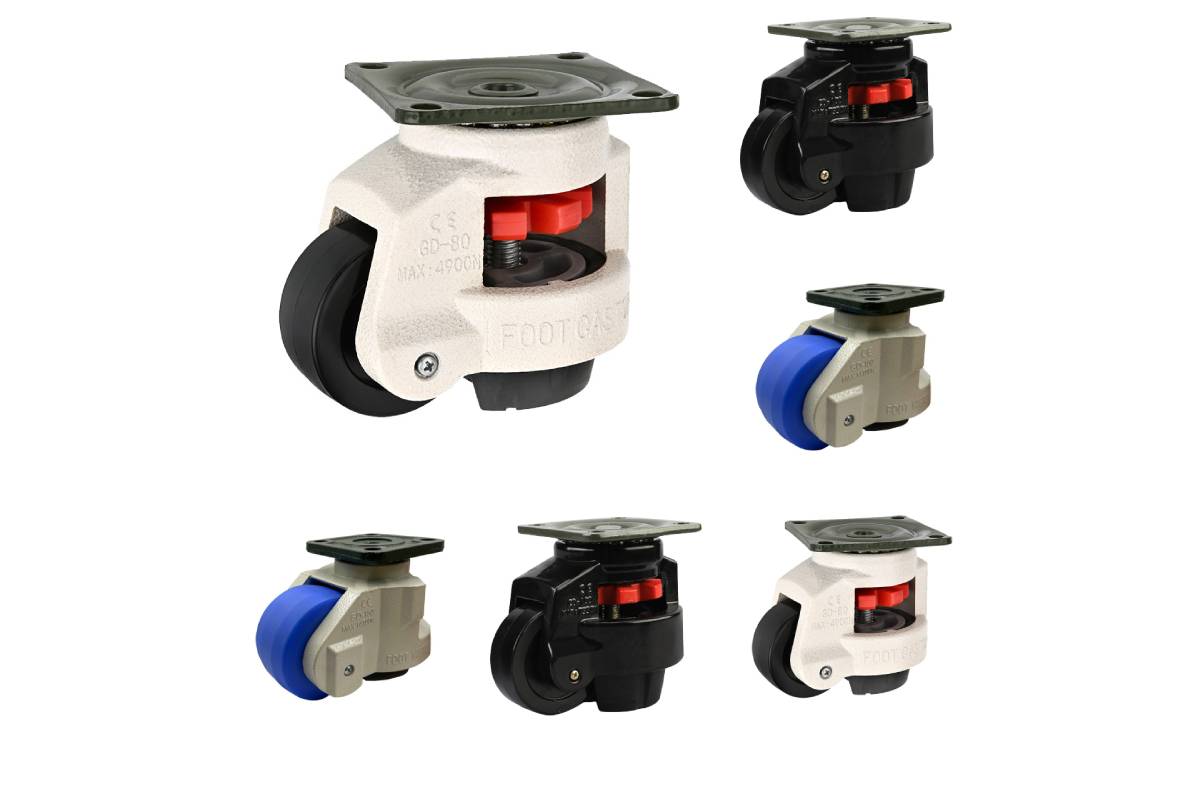
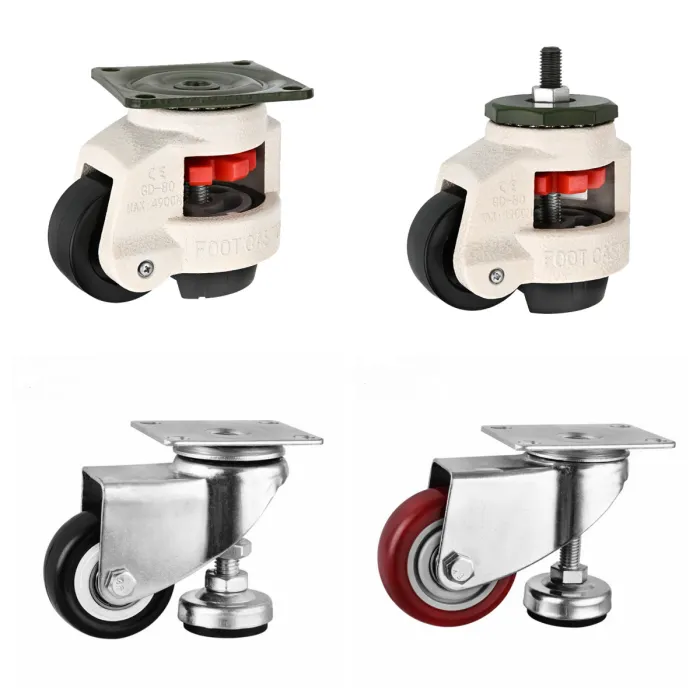
This issue is especially critical for equipment equipped with Adjustable Leveling Casters. These systems are designed to maintain equipment stability and horizontal accuracy. Even minor calibration errors can create uneven wheel contact with the floor, leading to increased rolling resistance and gradual trajectory deviation.
To prevent installation-related drifting, operators should regularly verify:
A. Mounting surface flatness
B. Caster alignment accuracy
C. Fastener tightness
D. Equipment load balance
E. Leveling caster adjustment settings
Proper installation remains the first step in any effective caster troubleshooting program.
Over time, heavy loads, repeated impacts, and continuous operation can cause structural wear within caster assemblies. Bracket deformation, worn bearings, damaged kingpins, and insufficient lubrication all contribute to inconsistent wheel movement.
Although modern Industrial Casters typically feature reinforced steel brackets and precision bearings, long-term operation in demanding environments eventually leads to mechanical wear. As rolling resistance begins to vary between wheels, equipment may gradually drift away from its intended path.
CMCL engineers frequently find that older carts and mobile equipment experience deviation problems not because the wheel material has failed, but because hidden bearing wear or bracket deformation has altered overall wheel alignment.
Routine wheel bearing inspection and preventive maintenance can significantly reduce these risks.
Many caster tracking problems originate from the operating environment rather than the caster itself.
In factories and warehouses, dust, metal particles, packaging debris, yarn fibers, hair, and other contaminants often accumulate around wheel axles and bearing areas. As debris builds up, wheel rotation becomes less consistent, causing increased rolling resistance and directional instability.
Floor conditions can also affect movement performance. Uneven surfaces, damaged concrete, oil contamination, and worn flooring accelerate irregular wheel wear and increase the likelihood of caster deviation.
To address these challenges, CMCL®Casters Tangle-Free Casters incorporate optimized anti-tangle and dust-resistant wheel structures. By reducing debris accumulation around critical moving components, these casters help maintain smooth wheel rotation and improve operational stability in demanding industrial environments.
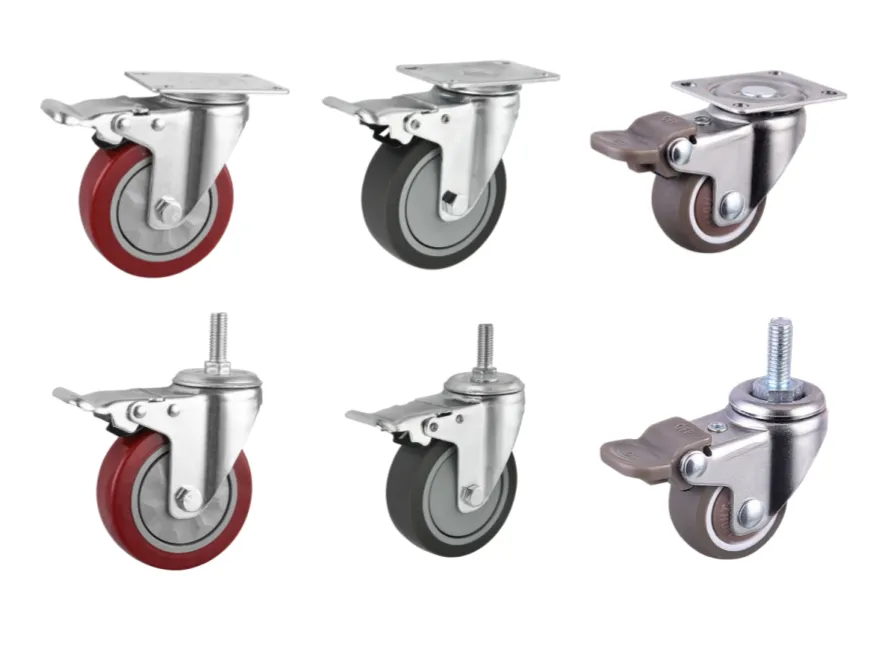
Operational practices play a major role in caster service life and performance.
Common practices that accelerate caster deviation include:
A. Overloading equipment beyond rated capacity
B. Sudden braking under heavy loads
C. Forcing carts to turn in place
D. Operating on unsuitable surfaces
E. Ignoring early signs of wheel wear
For equipment using Adjustable Leveling Casters, neglecting periodic adjustment can gradually compromise horizontal stability and rolling performance.
In many cases, small problems such as loose fasteners, uneven wheel wear, or insufficient lubrication remain unnoticed until severe drifting develops. Regular maintenance inspections help identify these issues early, reducing repair costs and preventing unexpected downtime.
To minimize caster deviation and improve equipment reliability, maintenance teams should focus on the following practices:
● Verify caster alignment during installation
● Ensure equal mounting heights
● Tighten all mounting hardware properly
● Confirm balanced load distribution
● Inspect bearings and wheel assemblies regularly
● Remove debris from wheel and axle areas
● Lubricate moving components according to maintenance schedules
● Replace worn wheels before significant wear develops
● Select Industrial Casters based on actual operating conditions
● Use Adjustable Leveling Casters where precise leveling is required
● Choose anti-tangle caster designs in debris-prone environments
Caster deviation is typically the result of multiple contributing factors rather than a simple product defect. Installation inaccuracies, uneven loading, component wear, environmental contamination, and inadequate maintenance can all lead to caster wheel drifting and operational instability.
By implementing standardized installation procedures, establishing preventive maintenance programs, and selecting application-specific mobility solutions, businesses can significantly reduce caster tracking problems and extend equipment service life.
As a professional CMCL casters manufacturer and CMCL industrial caster factory, we continuously help customers improve equipment mobility through durable Industrial Casters, precision Adjustable Leveling Casters, and advanced CMCL® caster solutions designed for long-term performance in demanding industrial environments.