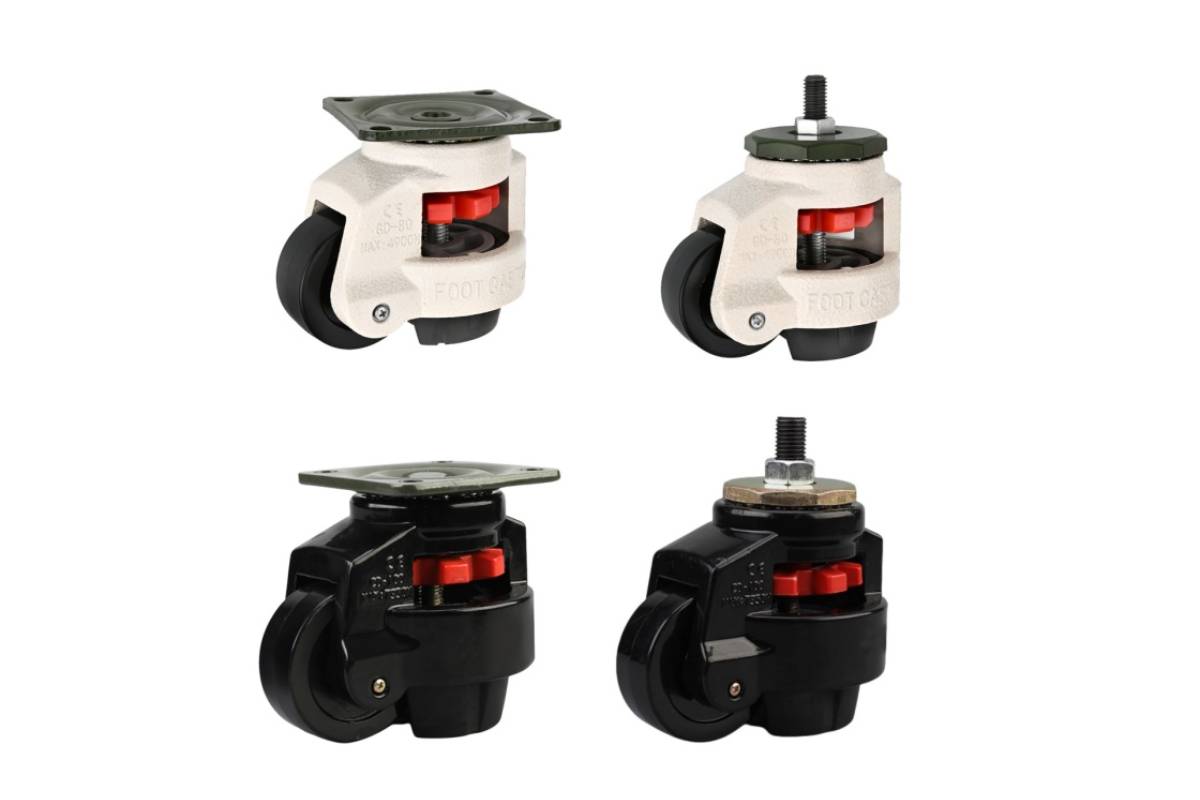
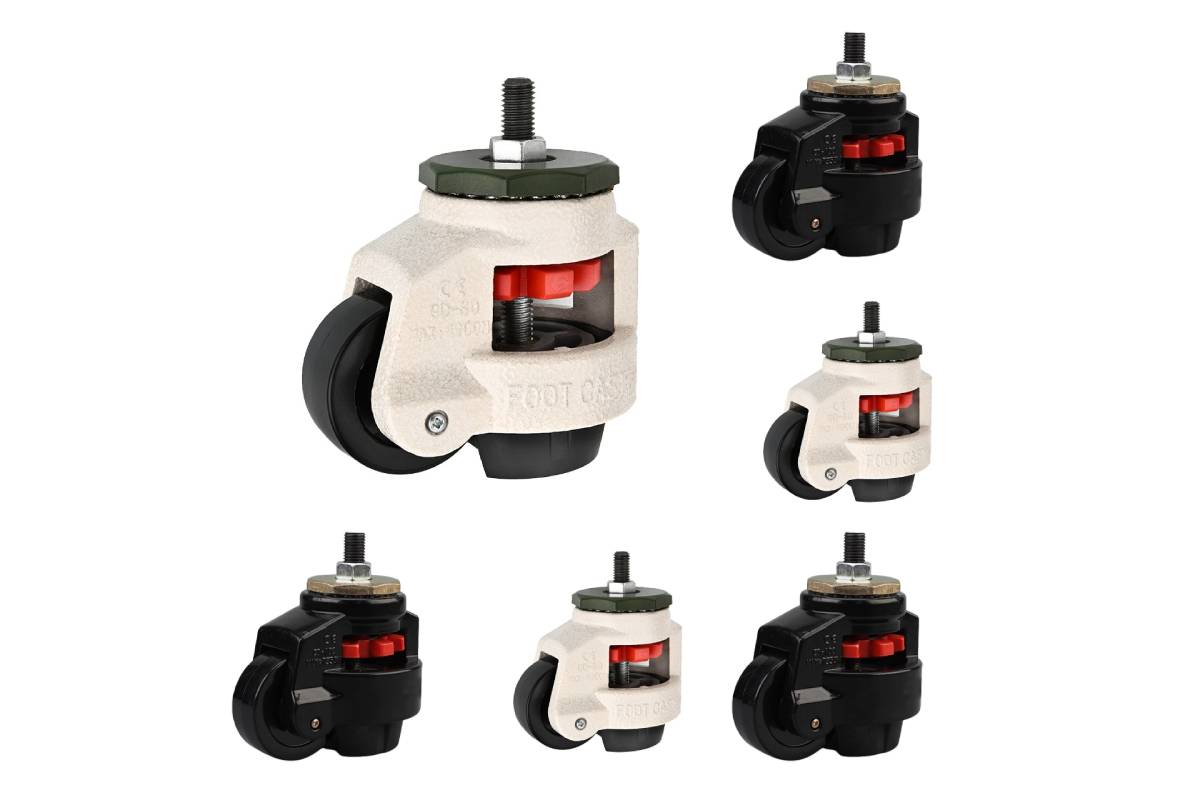
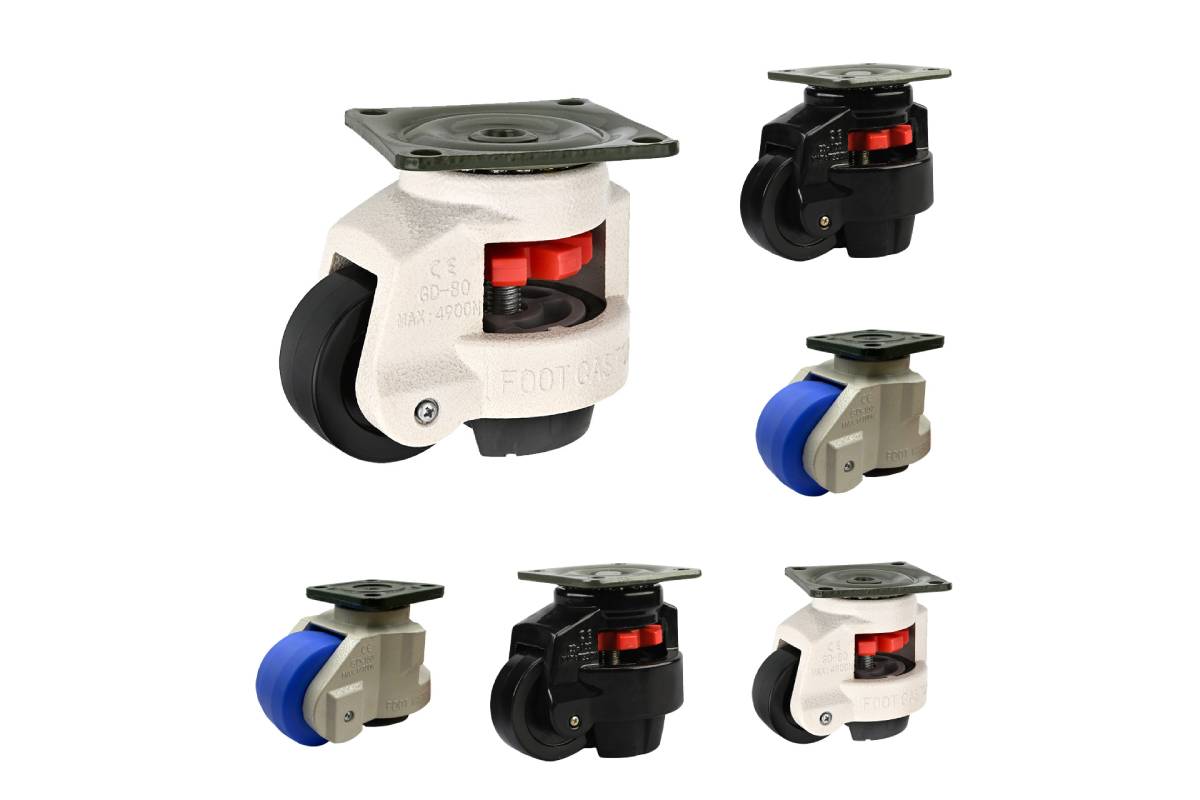
In modern manufacturing, mobility and stability are equally important. More factories are replacing fixed workstations with movable steel work benches to improve production flexibility, simplify equipment maintenance, and optimize workshop layouts. However, the performance of a mobile workbench depends largely on one often-overlooked component---its leveling casters.
Hospital self-service kiosks—such as patient registration terminals, health screening stations, and automated payment systems—have become a standard part of modern healthcare infrastructure.
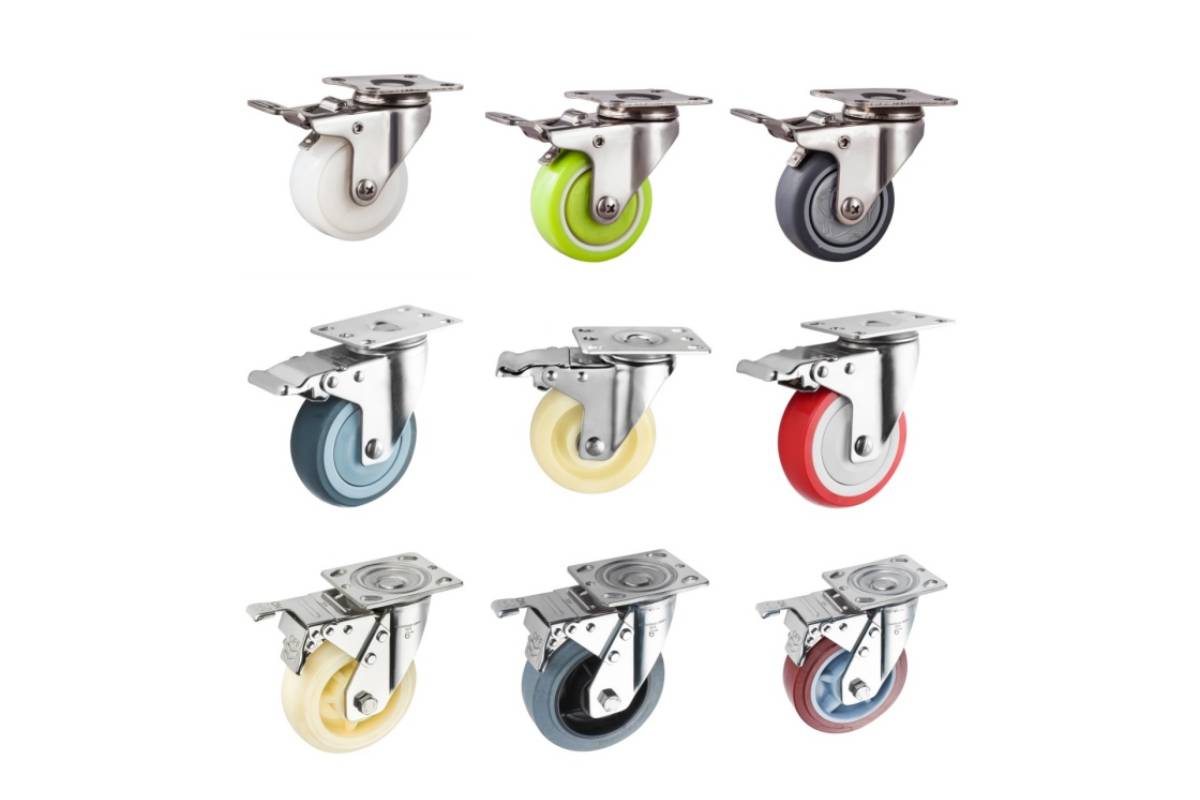
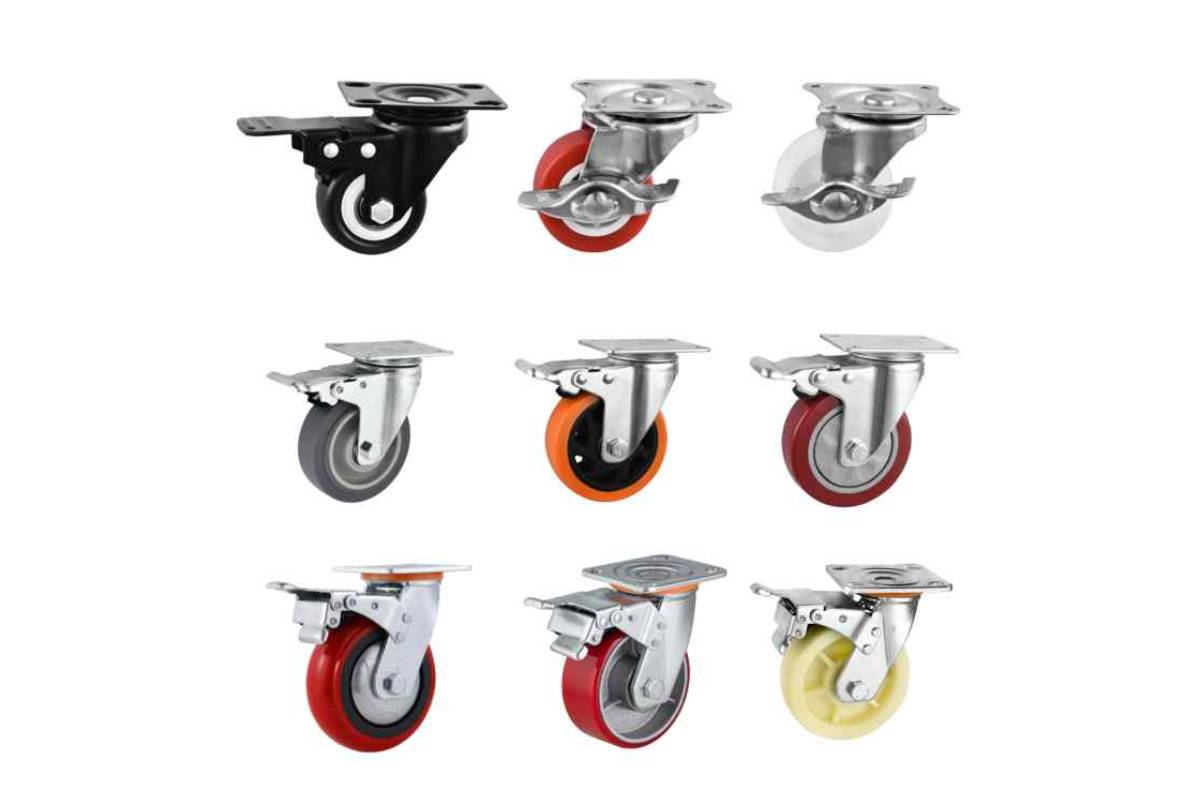
When a trolley caster suddenly becomes difficult to move, the issue is usually progressive rather than instant. A structured inspection can help identify whether the problem comes from contamination, lubrication failure, overload damage, or mechanical misalignment.
If you've ever struggled to push a trolley that suddenly becomes difficult to move, produces grinding noises, or stops rolling altogether, the problem is often a seized caster bearing. Bearing seizure is one of the most common causes of trolley mobility failure in warehouses, factories, hospitals, and logistics facilities.
Printing accuracy depends on more than advanced printheads and control systems. For inkjet printers, multifunction copiers and industrial printing machines, equipment stability plays an equally important role. Even slight movement or vibration during operation can affect print alignment, image quality and production efficiency.
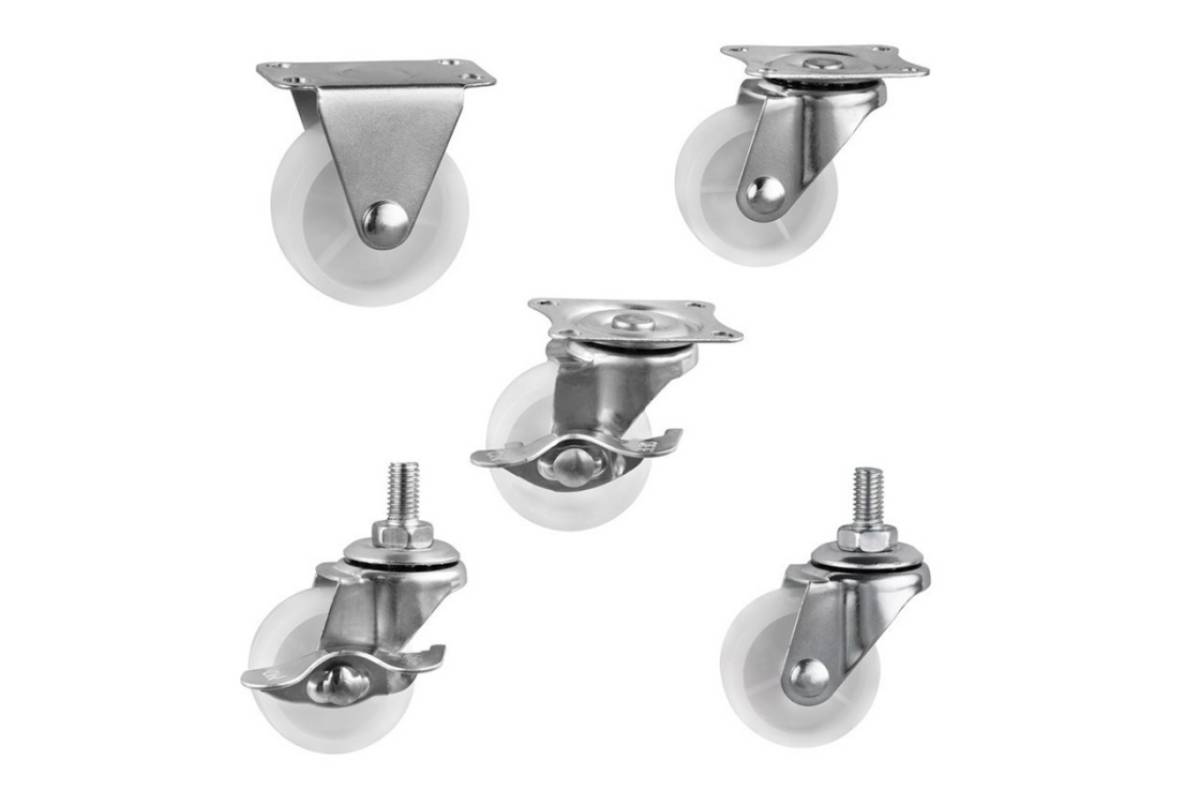
A set of perfectly matched plant caddy wheels can help you move large potted plants effortlessly while protecting floors from scratches and scuff marks. However, with countless caster sizes, load capacities and mounting options available on the market, many gardening enthusiasts, DIY users and plant stand manufacturers find it difficult to choose the right solution.
We use cookies to offer you a better browsing experience, analyze site traffic and personalize content. By using this site, you agree to our use of cookies. Privacy Policy


 17 2026-07
 10 2026-07
 10 2026-07
 10 2026-07
 01 2026-07
 26 2026-06